






Persian Wool Saddle Cover
A persian wool saddle cover brings authentic tribal weaving into a modern interior, offering rich texture and deep history.
Persian Wool Saddle Cover
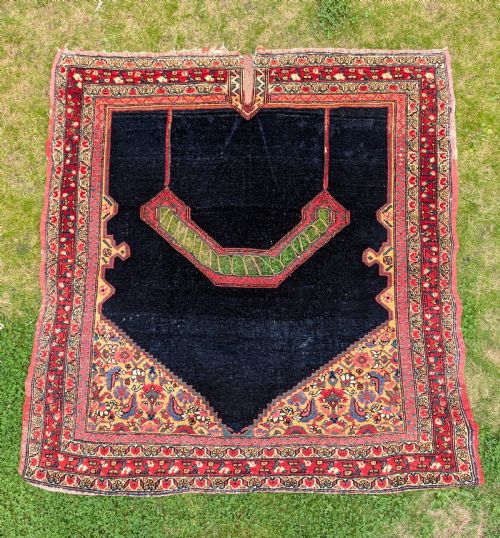
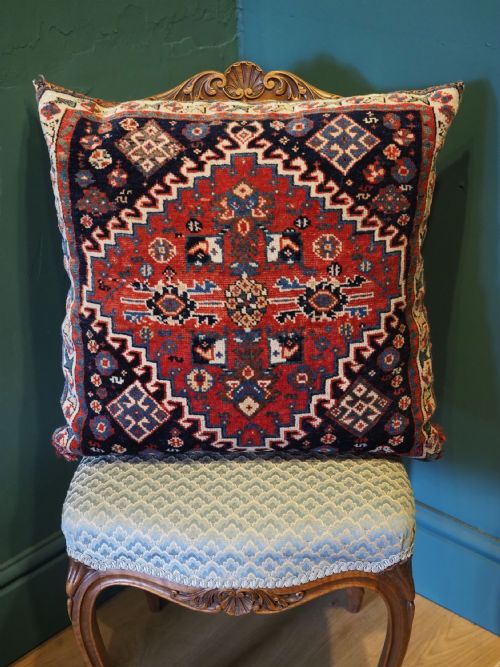
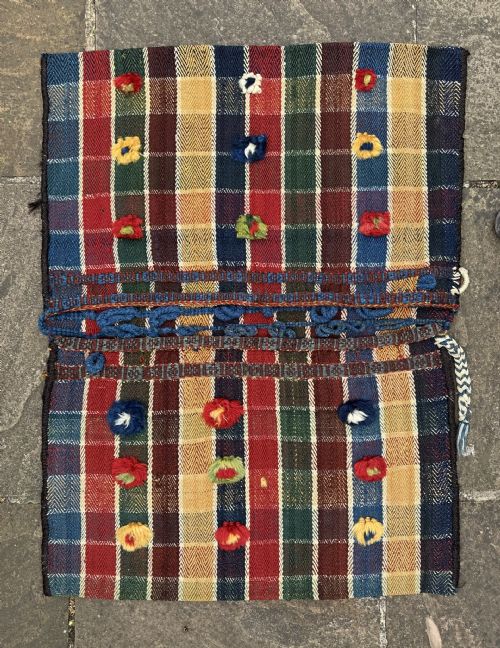
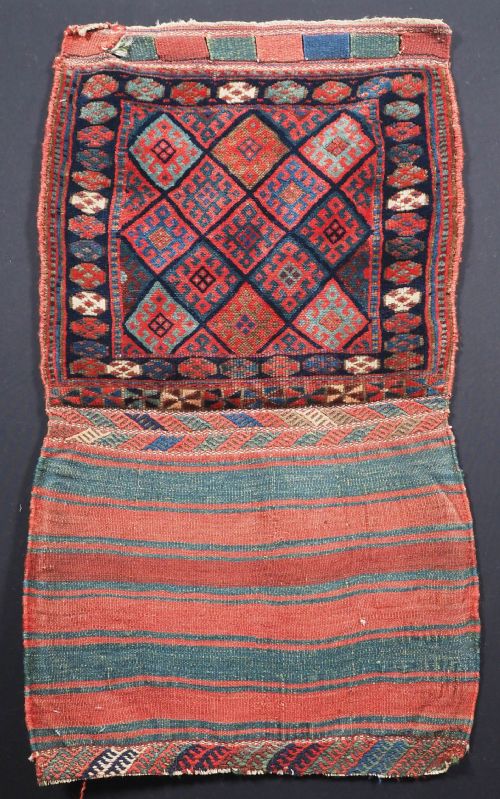
A persian wool saddle cover is a functional tribal textile transformed into a striking decorative object, originating from nomadic groups across Persia during the nineteenth century. These pieces encompass complete saddle bags, bag faces, and kilim bags produced by tribal weavers for practical transport and daily life.
The selections available here reflect various distinct regional styles, including Kurdish tribal work, Qashqa'i pieces from Fars Province, and Afshar weaving. Buyers will encounter both complete bags retaining their plain weave backs and individual bag faces adapted for display as cushions or wall hangings.
Dating primarily from the late nineteenth century through to around nineteen hundred, these textiles demonstrate the traditional output of diverse nomadic and village communities. Each item provides a tangible link to the pastoral heritage and tribal aesthetics of south-west and north-west Persia.
Factors of quality
The distinction between ordinary and exceptional pieces rests upon the fineness of the wool and the clarity of the natural dyes used in the design. Lustrous, high-grade wool yields a tactile depth that elevates the visual impact of traditional motifs like the boteh.
Structural completeness also plays a major role, as items retaining their original plain weave backs or surviving as complete pairs command particular attention from collectors. The precision of the tribal weave and the integrity of the edges further define the standing of each piece.
Some bags still carry the invisible dust of nineteenth-century Persian trade routes right in their wool.
The Persian Wool Saddle Cover Glossary
- Boteh
- A traditional teardrop or almond-shaped motif with a curved upper end, frequently seen in Persian tribal weaving.
- Khorjin
- The traditional Persian term for a double-sided saddlebag used by nomadic groups for transport.
- Kilim
- A flatwoven textile produced without a pile, forming the structural backing or body of many tribal bags.
- Plain weave
- A simple, unpatterned textile technique utilising a basic over-and-under grid, often found on the reverse of saddle bags.
Persian Wool Saddle Cover: Frequently Asked Questions
How were saddle covers originally used?
Nomadic tribes utilised these double-sided bags draped across pack animals to transport personal belongings during seasonal migrations.
Over time, the functional items transitioned into domestic storage and decorative elements within tribal tents.
How do I clean a wool saddle cover?
Gentle surface brushing and professional textile cleaning preserve the fragile natural dyes and hand-spun wool fibres.
Avoid immersion washing or harsh chemical treatments that can damage the historical structure of the weave.
Can I use these as floor rugs?
The delicate nature and historical value of nineteenth-century bag faces make them better suited for wall display or cushioned seating.
Placing them in low-traffic areas prevents undue friction on the traditional wool pile and flatweave structures.
How do I identify different tribal styles?
Regional attributions depend upon specific colour combinations, characteristic medallion layouts, and distinct border geometries.
Weaving centres like Fars Province or Azerbaijan exhibit particular technical traits that distinguish their output.