


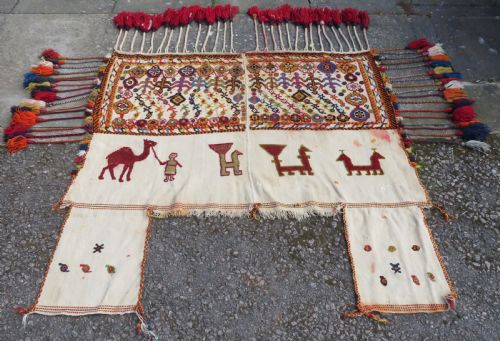
Vintage Equestrian Rug
A vintage equestrian rug is a tribal textile made for horses, prized for its bold patterns and rich history.
Vintage Equestrian Rug
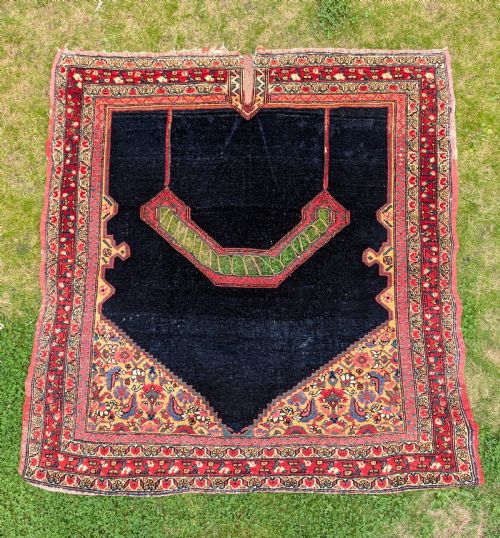
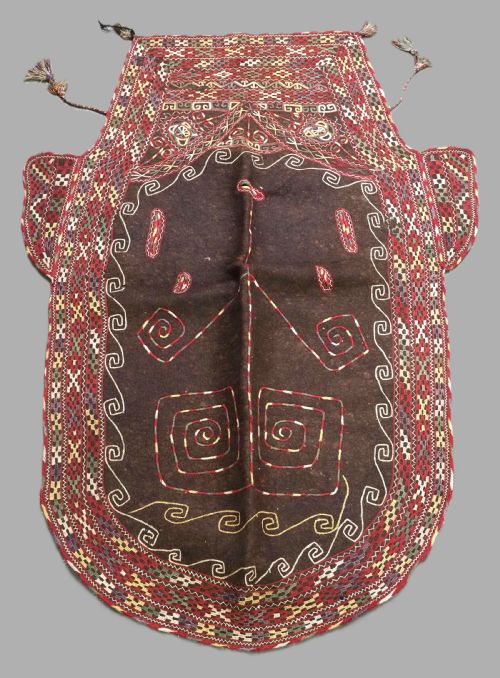
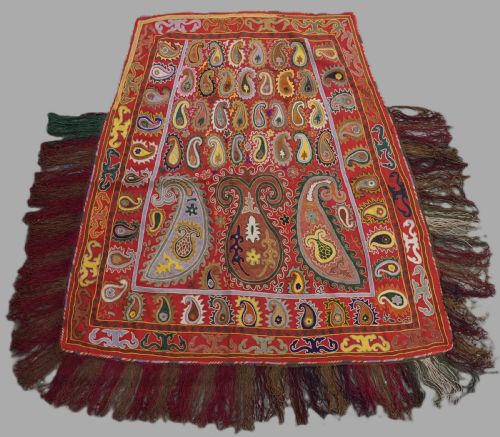
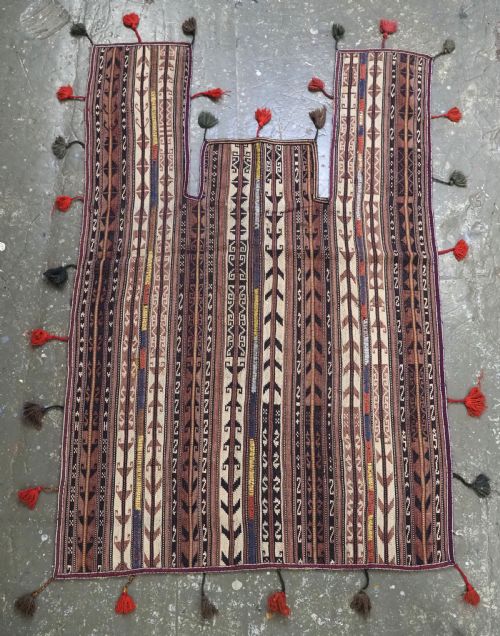
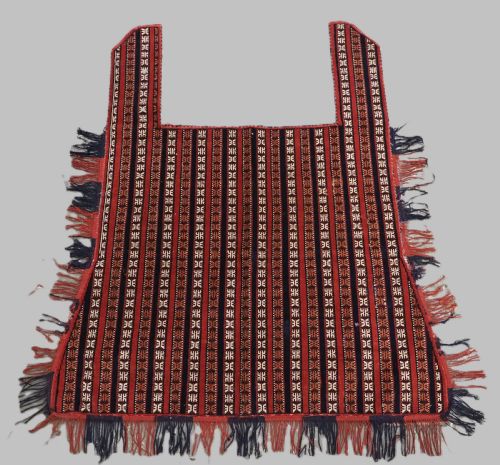
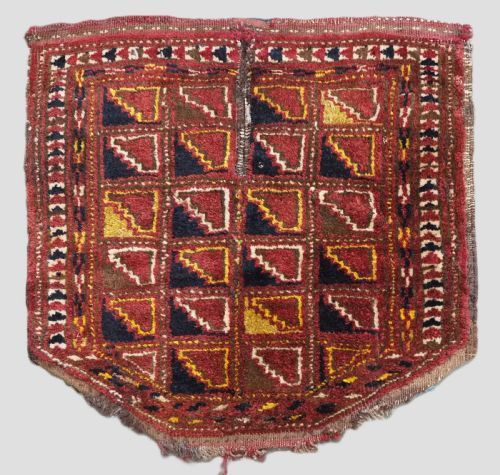
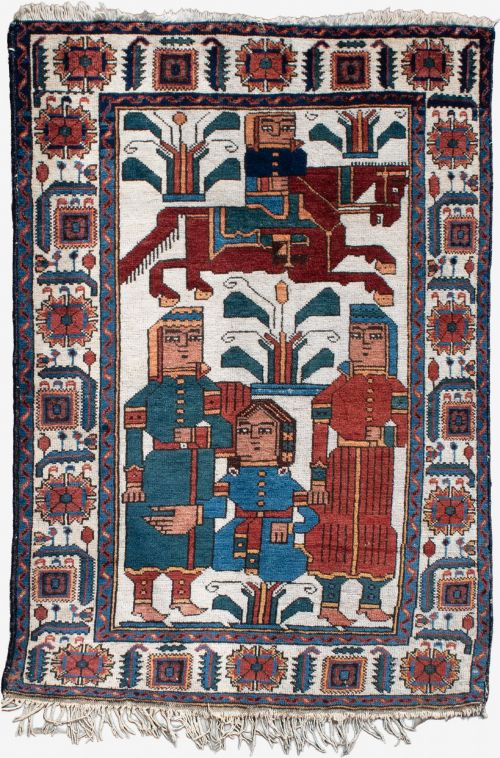
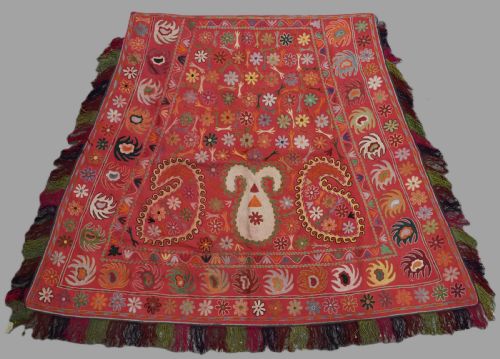
A vintage equestrian rug is a textile created by tribal makers in Central Asia, Persia, and Tibet for use as a horse blanket, saddle cover, or ceremonial piece. When exploring vintage equestrian rug options on this page, buyers frequently encounter Yomut Turkmen, Ersari Turkmen, and Lakai Uzbek tribal pieces.
These textiles served practical roles on horseback or functioned as ceremonial adornments during gatherings and rituals. The forms range from compact saddle covers to larger horse blankets and pictorial rugs dating from the late nineteenth century to the early twentieth century.
Tribal makers from regions such as Uzbekistan, Afghanistan, and Persia produced these items using traditional weaving and embroidery methods. Each piece reflects the specific cultural motifs and tribal heritage of its maker.
How they were made
These textiles rely primarily on wool, cotton, and silk, often incorporating felted wool and natural dyes to achieve durable and vibrant finishes. Artisans applied cotton thread and silk thread for detailed embroidery work upon woollen or felt foundations.
Makers constructed these items using techniques traditional to Central Asian and Persian tribal communities, sometimes incorporating leather edging for reinforcement. The combination of sturdy wool and careful embroidery ensured the pieces withstood practical use while displaying intricate designs.
Some horses walked about in finer embroidery than their riders.
What varies in quality
Quality in these textiles depends on the fineness of the weave, the complexity of the tribal design, and the condition of the materials. Pieces featuring dense wool work and well-preserved natural dyes represent the higher end of the range.
The precision of the embroidery and the integrity of the base fabric distinguish standard tribal utility items from finer ceremonial blankets. Superior examples retain their structural strength alongside clear, distinct regional patterns.
The Vintage Equestrian Rug Glossary
- Ceremonial felt
- A heavy textile made from matted animal fibres used in rituals and special occasions. These items often feature detailed surface decoration.
- Tribal textile
- A cloth or rug produced by distinct cultural groups using traditional domestic methods. These pieces carry motifs specific to the heritage of the makers.
- Saddle cover
- A small protective mat placed beneath or over a riding saddle. They provide cushioning and decorative display during travel.
- Natural dye
- Colouring derived from plant, insect, or mineral sources rather than synthetic chemicals. These pigments yield rich, enduring tones across older wools.
- Pictorial rug
- A woven textile depicting figures, animals, or narrative scenes rather than purely geometric patterns. Such pieces offer a distinct visual narrative.
Vintage Equestrian Rug: Frequently Asked Questions
How were these horse covers originally used?
These items served as practical coverings during transit or as decorative elements for ceremonial processions and gatherings.
Tribal communities valued them both for daily utility on horseback and as displays of craftsmanship during important community events.
How do I care for a vintage wool blanket?
Keep these textiles out of direct sunlight to prevent natural dyes from fading over time. Gentle surface cleaning and proper ventilation help maintain the integrity of the wool and embroidery.
Avoid hanging heavy pieces by a single corner to prevent distortion of the fabric.
How can I tell different tribal styles apart?
Tribal attribution relies on specific colour palettes, geometric motifs, and embroidery techniques native to regions like Uzbekistan or Turkmenistan.
Examining the weave structure and the specific types of thread helps identify the regional origin of each piece.
What is the difference between a rug and a ceremonial blanket?
Ceremonial pieces often feature specialised embroidery or felt construction intended for ritual display rather than everyday ground use.
Standard rugs and saddle covers were typically built for regular interaction with riding equipment and pack animals.