



Tribal Horse Trappings
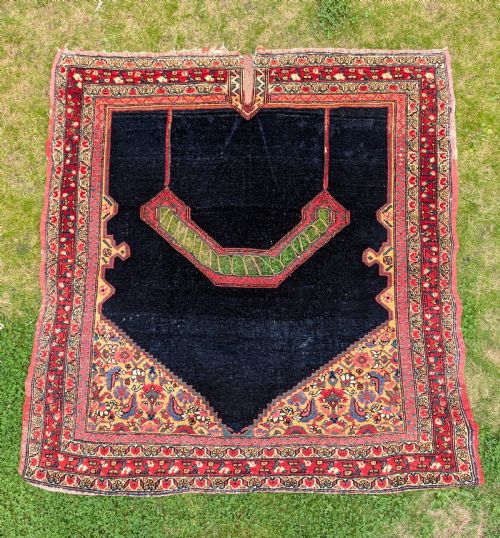
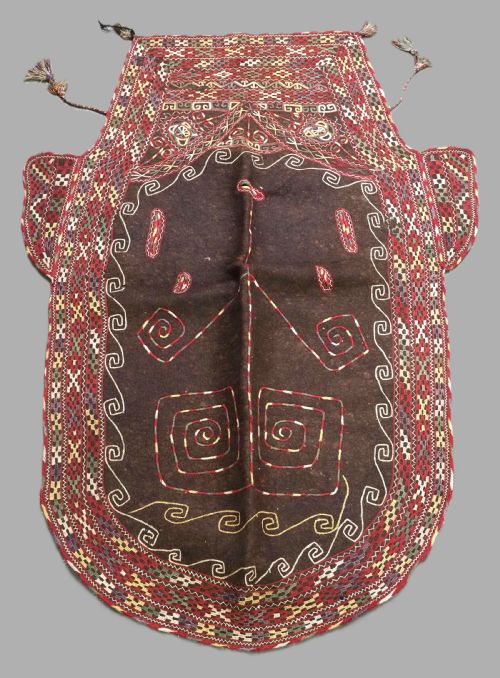
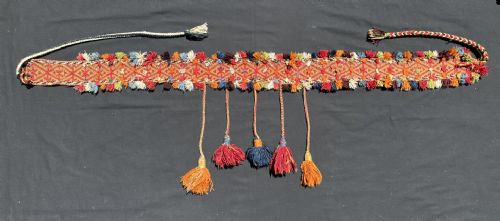
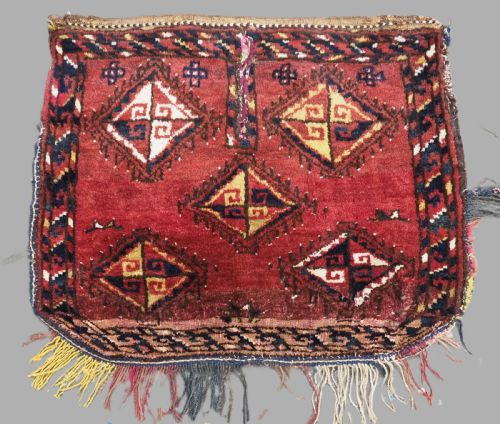
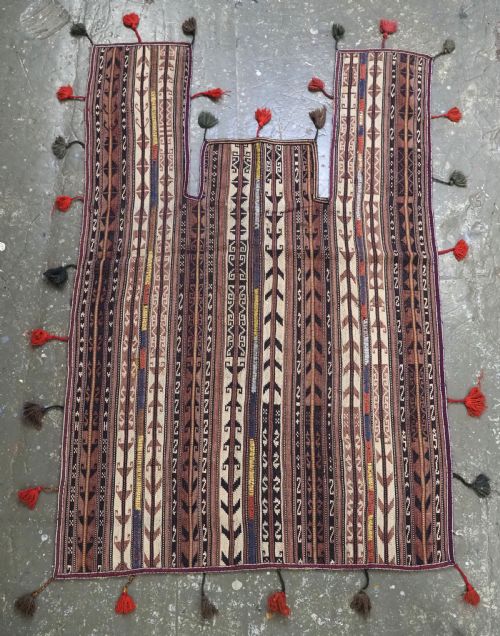
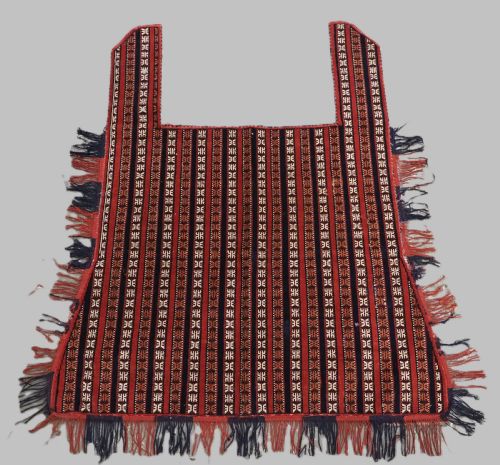
These tribal horse trappings are hand-woven coverings and ceremonial blankets created by nomadic groups for working animals and festivities.
Tribal Horse Trappings
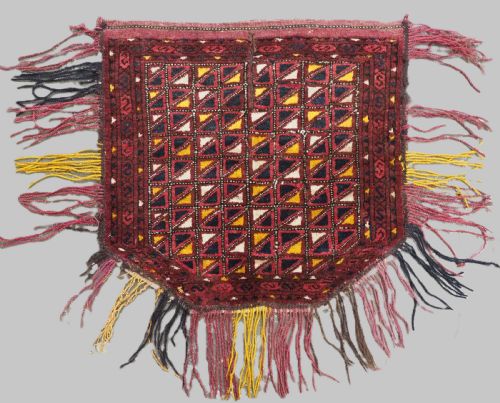
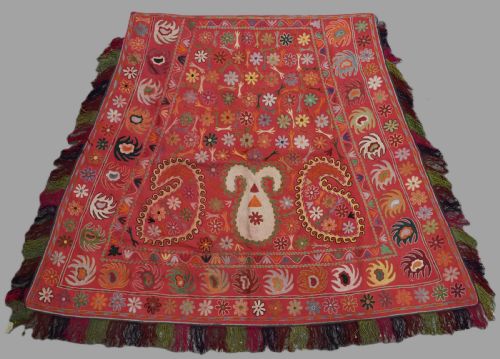
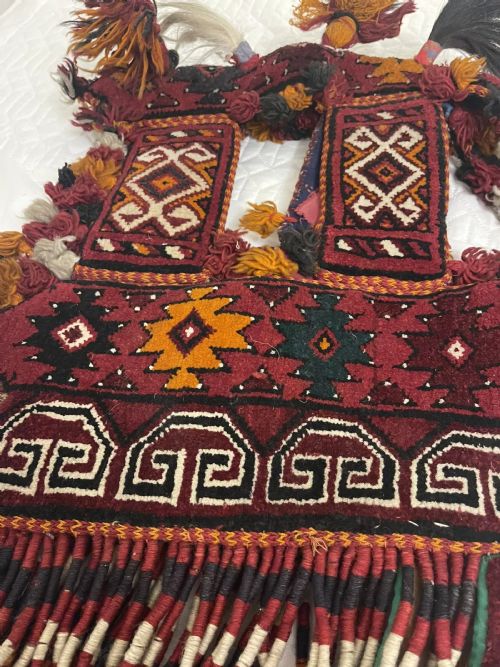
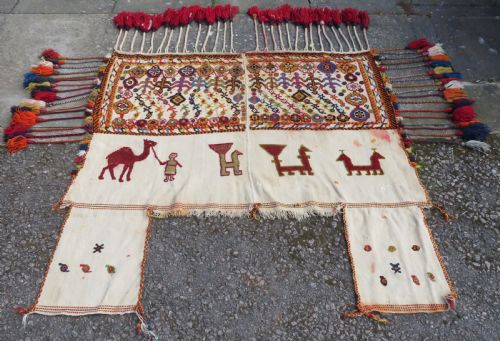
When you search for tribal horse trappings, you encounter textile pieces produced across Central Asia, Persia, and Afghanistan during the nineteenth and early twentieth centuries. These objects served functional roles as saddle rugs and horse covers, alongside ceremonial uses for weddings and gatherings.
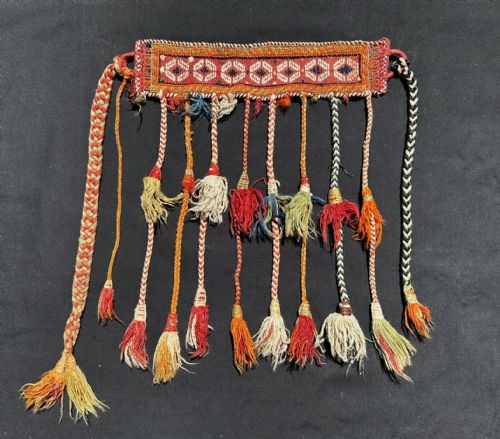
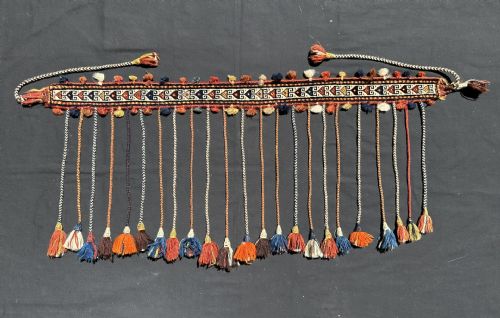
The selections available on this page most commonly feature Yomut Turkmen, Qashqai, and Uzbek Lakai origins. They appear in forms ranging from simple saddle covers to heavily decorated horse blankets and headdresses.
Assessing quality and authenticity
Quality in these textiles rests upon the fineness of the weave, the complexity of the tribal patterns, and the condition of the natural dyes. Pieces displaying intricate embroidery or surviving decorative elements like original tassels demand closer attention from collectors.
The distinction between standard working gear and ceremonial blankets also shifts the evaluation. Ceremonial items often exhibit superior decorative elaboration compared to everyday saddle covers.
Some wedding animals dressed better than the guests.
The Tribal Horse Trappings Glossary
- Saddle cover
- A protective or decorative textile placed over an animal saddle. These pieces range from simple utility items to heavily patterned regional rugs.
- Ceremonial blanket
- A specialised textile used during weddings, festivals, or tribal rituals rather than everyday travel. They often feature extra embroidery and embellishments.
- Natural dye
- Colouring derived from plant, insect, or mineral sources rather than synthetic compounds. These dyes age with distinct depth across older wool and cotton.
- Felted wool
- Wool fabric produced by matting, condensing, and pressing fibres together. This material provides a dense, durable base for ceremonial horse blankets.
- Headdress
- An ornamental covering worn on the head of a camel or horse during celebrations. Such garments frequently incorporate fine silk thread and complex regional designs.
Tribal Horse Trappings: Frequently Asked Questions
How were tribal horse trappings used?
Nomadic communities utilised these textiles as functional saddle covers for riding animals, protecting both the mount and the equipment during transit.
They also served ceremonial purposes during weddings and tribal gatherings, where richly decorated horse blankets and headdresses displayed the status and artistry of the group.
Where do these horse trappings originate?
The pieces originate primarily from Central Asia, Persia, and Afghanistan, created by distinct nomadic and tribal groups.
Specific regional styles represented include Yomut Turkmen, Qashqai nomads of Fars Province, and Uzbek Lakai makers.
What materials are used in these textiles?
Construction relies heavily on wool, cotton, and felted wool to form durable blankets and saddle rugs.
Decorations are typically added using cotton thread, silk thread, and natural dyes to achieve traditional patterns and colours.
How do I date an antique horse blanket?
Dating relies on examining the materials, natural dye characteristics, and the traditional tribal motifs inherent to specific production periods.
Most surviving pieces date from the late nineteenth century through to the early twentieth century, reflecting the active eras of nomadic textile production.