


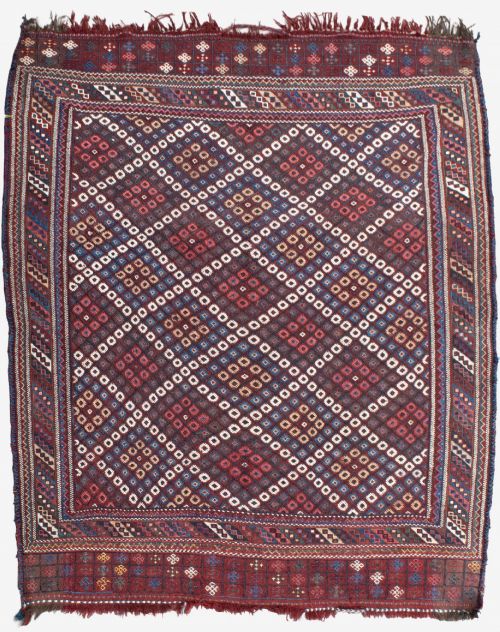


Persian Flatweave Textile
When you search for a persian flatweave textile, you encounter nomadic weavings created by tribal groups across nineteenth and early twentieth century Persia.
Persian Flatweave Textile
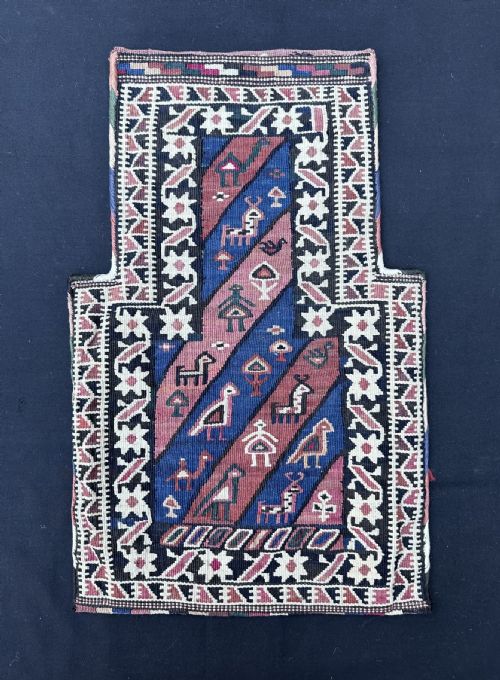
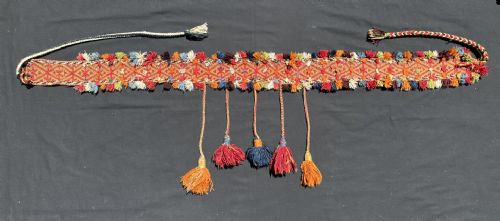
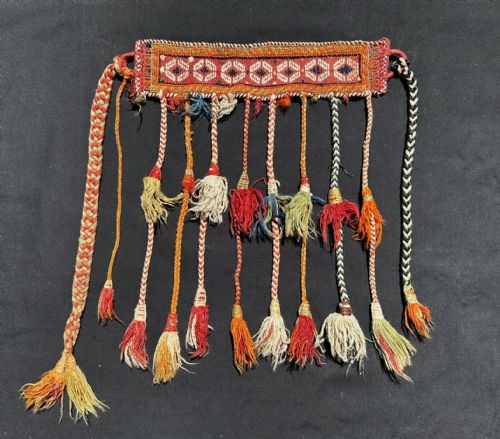
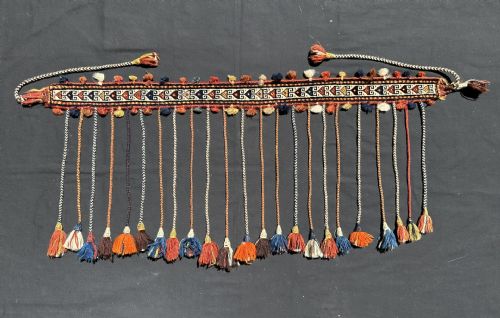
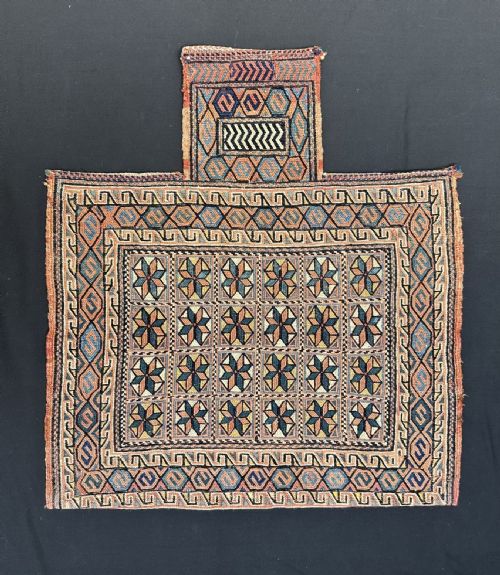
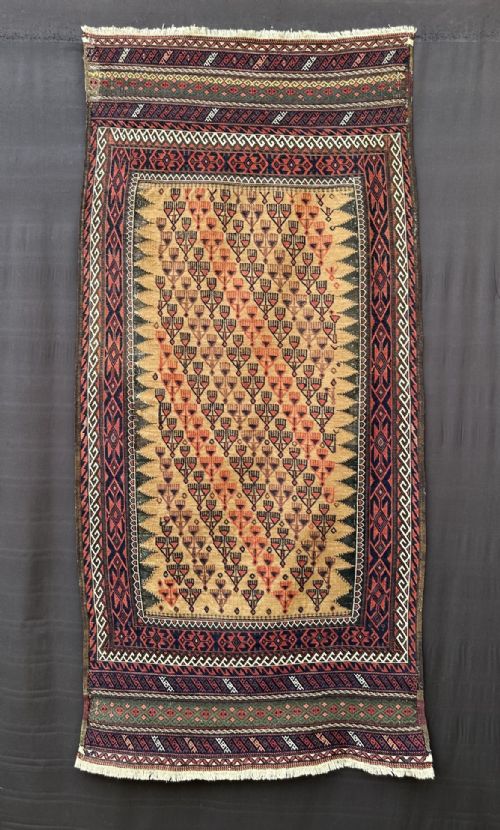
A persian flatweave textile encompasses a diverse category of utilitarian tribal items, including salt-bags, bread sofreh, animal trappings, and storage sacks produced by groups such as the Qashqa'i, Shahsavan, Afshar, and Bakhtiari. These functional pieces served daily nomadic life, fulfilling roles from grain storage to floor spreads for dining.
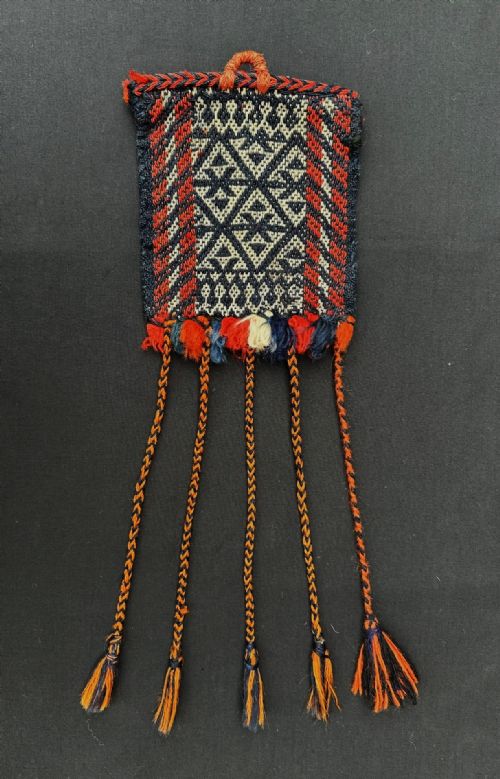
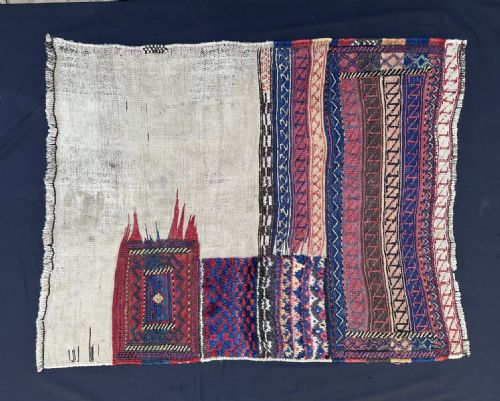
The objects frequently take the form of compact bags, rectangular covers, or panels, reflecting the portable requirements of pastoral life. Sofreh bread cloths and smaller chanteh bags represent the most common formats encountered within this regional inventory.
Origins span distinct provinces and borderlands, including Fars, Kerman, Khorassan, and Azerbaijan, where specific confederations developed recognisable structural traits and patterns. Pieces range chronologically from the mid nineteenth century through the early twentieth century.
Materials and Construction Techniques
Construction relies heavily on hand-spun wool and cotton foundations, occasionally incorporating goat hair for added durability along selvedges and backs. Natural dyes provide the underlying palette, supplemented in specific examples by decorative additions such as cowrie shells or silk details.
Weaving methods utilise flatweave techniques rather than knotted pile, including soumac work, banded weft work, and simple plain weave structures. These techniques allow artisans to build geometric patterns and structural integrity directly into the warp and weft.
Certain nineteenth-century nomadic storage bags retain their original cowrie shells, added historically to ward off the evil eye.
Evaluating Construction and Material Integrity
Quality rests upon the fineness of the weave, the tightness of the spin in the wool, and the crispness of the geometric design execution. Tighter, more precise soumac work and well-preserved original backs distinguish finer tribal examples from simpler utility pieces.
The integrity of the natural dyes and the preservation of auxiliary elements, such as original plain weave backs or decorative cowrie shells, elevate the standard of a textile. Condition is measured by the retention of the original structural form rather than surface finish alone.
The Persian Flatweave Textile Glossary
- Sofreh
- A flatwoven spread or cloth utilised for dining, dough preparation, or bread storage within nomadic households. These textiles often feature central medallions and banded borders.
- Soumac
- A supplementary weft-wrapping technique that produces a durable textile face resembling braided work. This method creates raised patterns without cutting supplementary yarns.
- Tacheh
- A specific regional term for a wheat sack or storage bag produced by Luri and Bakhtiari groups. They were traditionally used for agricultural transport and domestic storage.
- Chanteh
- A small nomadic vanity bag or personal container woven on a portable loom. These miniature bags frequently display intricate tribal iconography.
- Jajim
- A lightweight, flatwoven textile constructed from narrow strips joined together. They function as coverlets or decorative spreads.
Persian Flatweave Textile: Frequently Asked Questions
What is a persian flatweave textile used for?
These textiles served practical functions within nomadic communities, acting as storage containers for salt, wheat, and personal belongings. Others functioned as dining spreads or horse decorations.
Their sturdy construction suited the migratory lifestyles of the tribes that produced them, combining utility with distinct tribal designs.
How do I care for an antique flatweave textile?
Gentle vacuuming with a low suction setting without a rotating brush helps remove dust and particulate matter from the weave. Professional textile cleaning should be sought for deeper maintenance.
Keeping the piece away from direct, harsh sunlight prevents the fading of natural dyes over extended periods of display.
How do I identify different tribal origins?
Attribution relies on specific structural characteristics, colour palettes, and regional weaving motifs associated with groups such as the Shahsavan, Afshar, or Qashqa'i. Specific formats like the Sofreh or Tacheh often align with particular geographical valleys and provinces.
Examination of the wool quality, dye usage, and weave structure provides clues to the specific tribal provenance.
Are these pieces woven with pile?
The items listed here are flatweaves, meaning they lack the raised pile surface found in traditional knotted carpets. Instead, they rely on interweaving warp and weft threads to build the design.
Techniques such as soumac and plain weave create flat, durable surfaces that served heavy domestic use.