

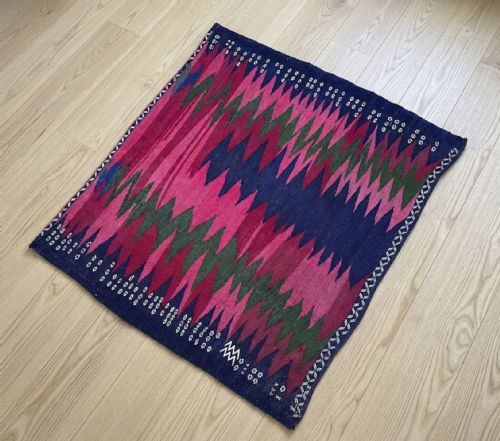
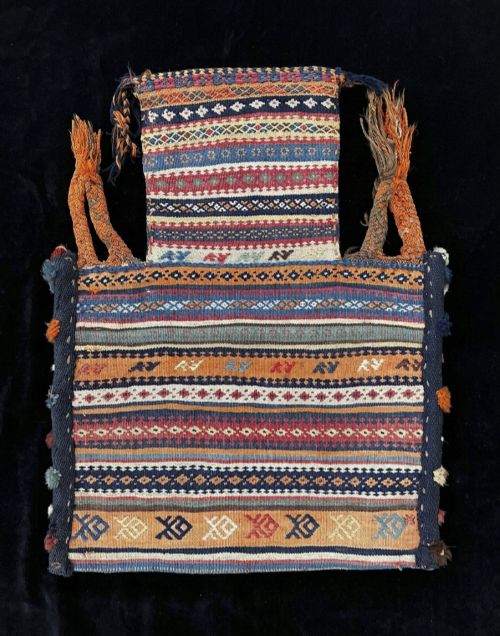


West Persian Tribal Flatweave
A west persian tribal flatweave brings nomadic artistry into a room through geometric patterns and practical textiles made by village weavers.
West Persian Tribal Flatweave
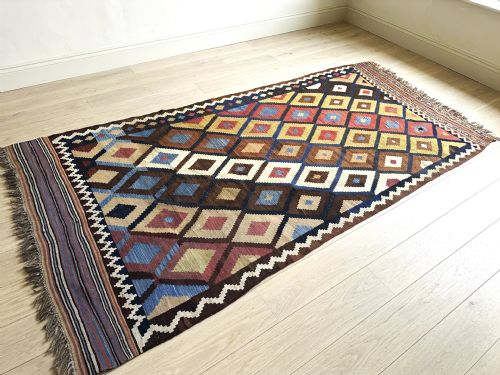
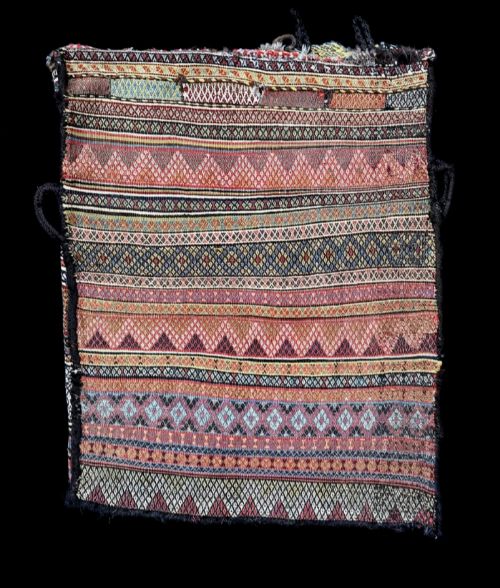
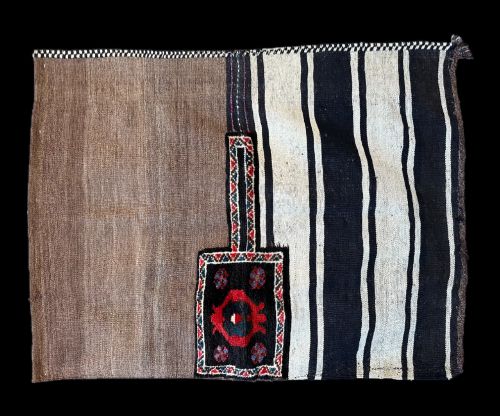
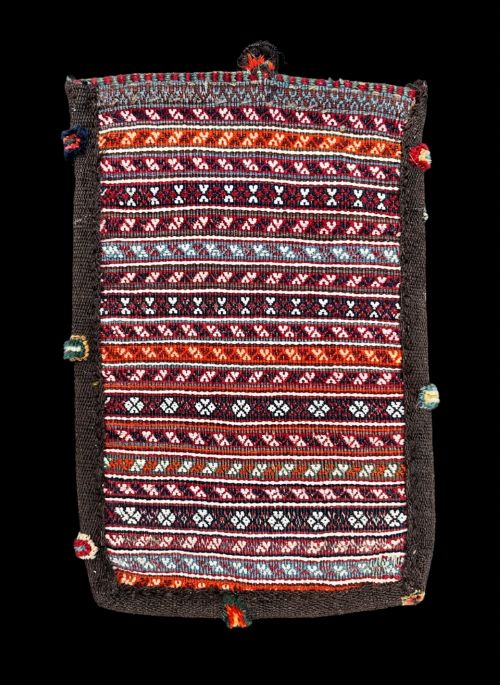
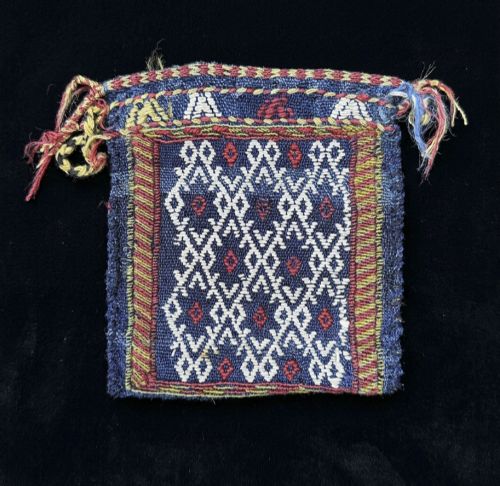
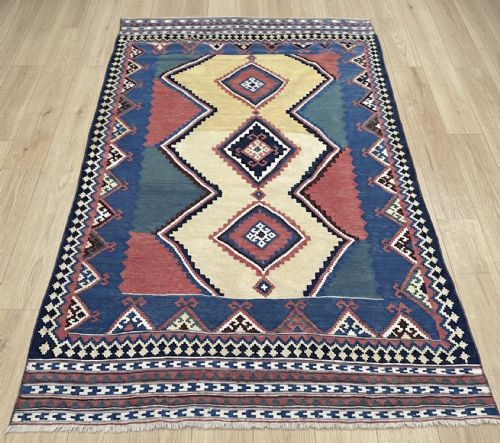
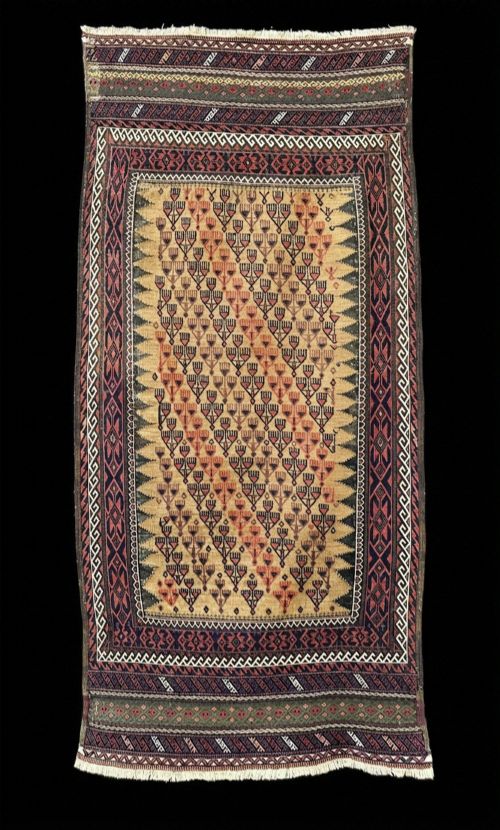
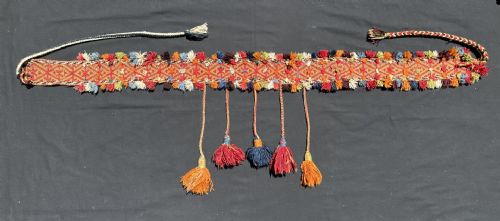
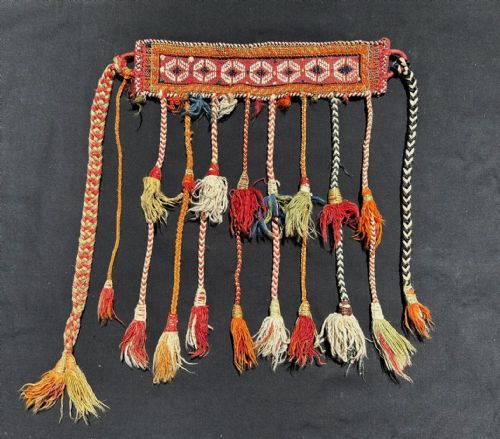
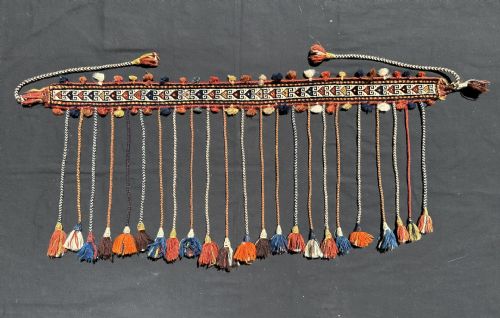
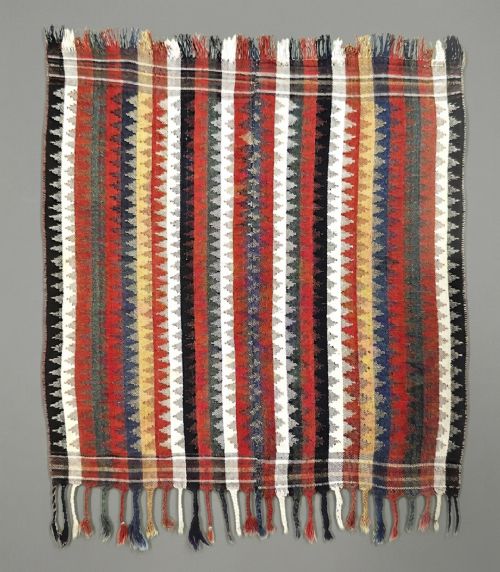
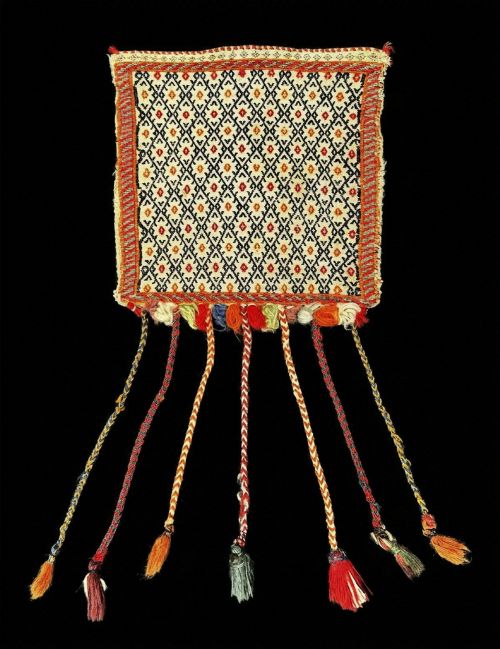
When considering a west persian tribal flatweave, buyers encounter utilitarian items produced by nomadic and village communities across regions like Luristan, Fars, and the Chahar Mahal valley. These pieces take various functional forms including storage bags, animal trappings, grain sacks, and kilims.
The selection centres heavily on items made by the Qashqa'i confederacy and related tribal groups, dating from the late nineteenth century into the early decades of the twentieth century. These textiles served daily nomadic needs before entering the decorative market as floor coverings and wall hangings.
Materials and Construction
Weavers utilised hand-spun wool alongside structural elements of cotton and goat hair, employing natural dyes to colour the yarns in rich hues. Camel hair and metal threads appear in specific pieces, adding textural contrast and varied tones to the flat-woven surfaces.
The construction relies on traditional flat-weaving techniques without a knotted pile, producing durable textiles designed for harsh nomadic lifestyles. Leather reinforcements and sturdy bindings often secure the edges of bags and functional objects.
West Persian Tribal Flatweave Retail Price Guide 2026
Typical asking prices for west persian tribal flatweave among the pieces listed under this phrase on Sellingantiques today, from the lower quarter to the upper quarter. They describe what is for sale here now, not the wider market.
Listings feature textiles from the nineteenth and early twentieth centuries, constructed from hand-spun wool, cotton, and natural dyes by groups including the Qashqa'i and Lori tribes.
Assessing Quality and Execution
Quality in a west persian tribal flatweave rests on the fineness of the weave, the clarity of the geometric motifs, and the depth of the natural dyes. Tightly packed warps and wefts indicate skilled handwork by experienced tribal artisans.
The harmony of the colour palette and the complexity of the tribal designs distinguish finer examples from standard utilitarian pieces. Preservation of the original structure and complete edges also influence the overall standard of each textile.
The West Persian Tribal Flatweave Glossary
- Kilim
- A flat-woven textile produced without a pile, used primarily as a rug, wall hanging, or cover. These pieces display sharp geometric patterns created by interlocking weft threads.
- Sofreh
- A flat-woven spreading cloth utilised for dining or kneading bread within nomadic households. They often feature simple stripes or bold central medallions.
- Chuval
- A large nomadic storage bag intended for bedding and household possessions within a tent. They display intricate face designs while the backs utilise plain wool or goat hair.
- Jajim
- A heavy flat-weave textile constructed in narrow strips and stitched together, functioning as a floor spread or blanket. They typically exhibit bright horizontal stripes.
- Tayefeh
- A sub-tribe or clan within a larger nomadic confederacy such as the Qashqa'i. Identifying the specific tayefeh helps determine the origin of a piece.
West Persian Tribal Flatweave: Frequently Asked Questions
What is a west persian tribal flatweave?
A west persian tribal flatweave is a non-pile textile created by nomadic and village groups in regions such as Fars and Luristan. These items served practical purposes for transport and domestic life.
Today, collectors value them for their authentic tribal designs and natural dye palettes.
How were these tribal bags used?
Nomadic groups utilised specialised bags for storing grain, salt, spoons, and bedding during seasonal migrations. Smaller containers hung inside tents or fastened to pack animals.
These functional objects combined utilitarian durability with traditional tribal iconography passed down through generations.
How do I care for a flatweave?
Protect the textile by placing a suitable underlay beneath it on the floor to prevent slipping and reduce friction. Gentle vacuuming without a rotating brush maintains the surface.
Keep the piece away from direct sunlight to preserve the natural dyed wools over time.