



Bakhtiari Nomadic Weaving
Bakhtiari nomadic weaving brings heavy tribal utility into domestic spaces through durable wool bags and rugs crafted in Western Persia.
Bakhtiari Nomadic Weaving
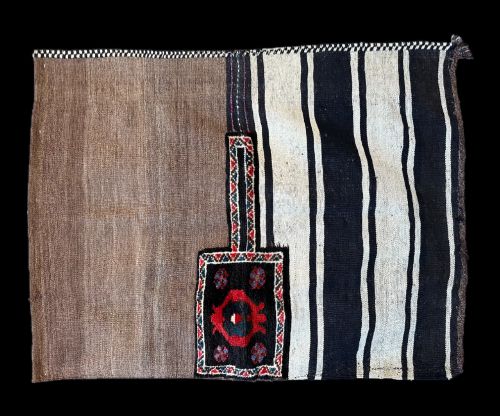
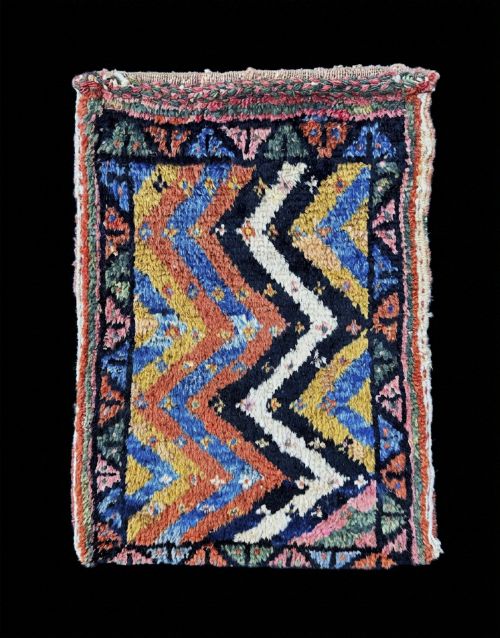
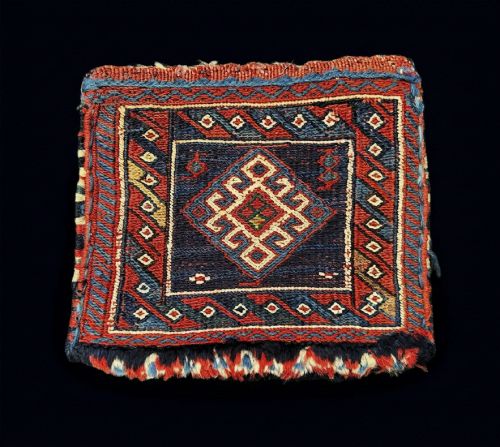
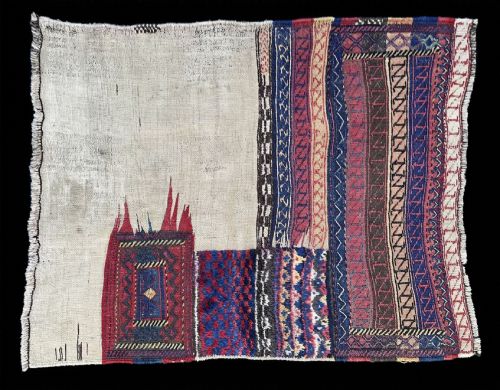
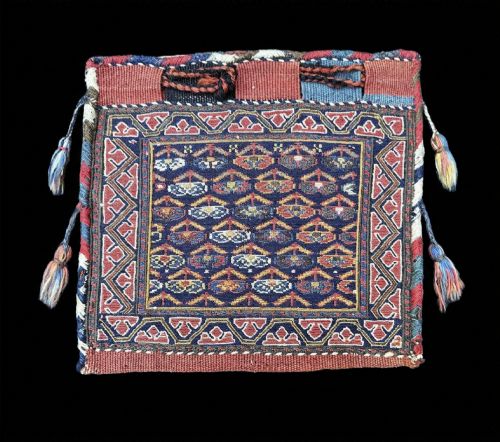
When you search for bakhtiari nomadic weaving, you encounter utilitarian tribal items created by the Lori-Bakhtiari tribes and related groups across the Chahar Mahal valley and Western Persia. These works encompass functional domestic containers such as tacheh wheat sacks, spoon-bags, vanity-bags, half-khorjin saddle bags, and bread sofreh alongside larger tribal carpets.
The pieces on this page stem primarily from the late nineteenth century and the early decades of the twentieth century, specifically spanning the 1870s through to 1920. You find small personal bags alongside larger floor coverings, all showing the distinct handiwork of nomadic and village weavers working within specific tribal lineages like the Haft Lang and the Boyer Ahmad province.
Materials and construction
The makers relied primarily on wool, frequently hand-spun, combined with structural cotton and durable goat hair for edges and reinforcements. These fundamental materials provided the necessary strength for items subjected to heavy nomadic use, such as wheat sacks and saddle bags.
Weavers utilised natural dyes to colour the wool, creating the rich palettes seen across these tribal textiles. The integration of sturdy pile and flatweave techniques ensured that items like half-khorjin bags and kilim rugs retained structural integrity through rigorous daily life.
Bakhtiari Nomadic Weaving Retail Price Guide 2026
Typical asking prices for bakhtiari nomadic weaving among the pieces listed under this phrase on Sellingantiques today, from the lower quarter to the upper quarter. They describe what is for sale here now, not the wider market.
The listings span five distinct decades of production, beginning in 1870 and extending to 1920.
Distinctions in quality
Quality in these textiles rests upon the fineness of the spin in the wool and the complexity of the tribal iconography expressed across the surface. Tighter knotting and precise execution in structural elements like goat hair selvedges elevate certain pieces above standard utilitarian examples.
The depth and permanence of the natural dyes further separate exceptional pieces from simpler utilitarian containers, showing superior preparation and mordanting by the weaver. Furthermore, the integrity of surviving structural components, such as original backs on wheat sacks and saddle bags, determines the overall standard.
The Bakhtiari Nomadic Weaving Glossary
- Tacheh
- A traditional tribal wheat sack used by nomadic groups for grain storage and transport. These large square textiles often feature complex flatwoven and pile techniques.
- Sofreh
- A cloth or spread used for eating bread or rolling dough. In nomadic weaving, these are flatwoven textiles with geometric arrangements.
- Khorjin
- A double-sided saddle bag designed for transport on animals. A half-khorjin represents one surviving side of the paired containers.
- Chanteh
- A small personal bag or vanity pouch woven by tribal makers. These pocket-sized pieces typically display concentrated patterns.
- Chahar Mahal
- A mountainous region in Western Persia known for distinct tribal textile production. It serves as the geographic origin for many nineteenth-century village carpets and sacks.
Bakhtiari Nomadic Weaving: Frequently Asked Questions
What is a tacheh used for?
A tacheh served as a heavy-duty wheat sack for nomadic families moving across Western Persia. Tribes utilised them for storing and transporting grain during seasonal migrations.
Today, collectors appreciate these large square textiles as striking wall hangings or decorative floor pieces. Their durable wool construction allows them to endure gentle modern placement.
How do I care for antique tribal rugs?
Antique tribal rugs and bags require regular gentle vacuuming without a rotating brush bar to protect the hand-spun wool pile. Keeping them out of direct sunlight prevents natural dyes from fading over time.
Professional cleaning by a specialist familiar with antique Persian textiles ensures the structural integrity remains intact. Avoid excessive moisture and address spills immediately with blotting rather than rubbing.
How are nineteenth-century pieces dated?
Dating relies on material analysis, including the identification of hand-spun wool and specific natural dye palettes typical of the period. Structural traits, such as the use of goat hair and specific loom setups, provide further clues to age.
Comparison with documented examples from regions like the Chahar Mahal valley helps place pieces within decades such as the 1880s or 1900s. Weavers passed down specific tribal motifs across generations, anchoring works in particular eras.
Where were these textiles made?
These pieces originated in Western Persia, particularly within the Chahar Mahal valley and surrounding mountainous territories. Lori-Bakhtiari tribes and related groups produced them during seasonal travels and village settlements.
Specific provinces like Luristan and Kohkiluyeh nurtured distinct weaving traditions within subgroups such as the Haft Lang. The geography dictated the materials utilised, ensuring locally sourced wool and natural dye stuffs.