





Persian Kilim Wall Hanging
A persian kilim wall hanging brings rich nomadic texture and geometric storytelling directly into a modern room.
Persian Kilim Wall Hanging
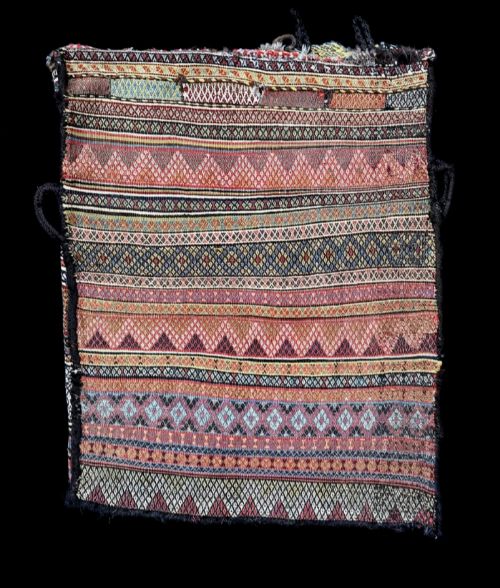
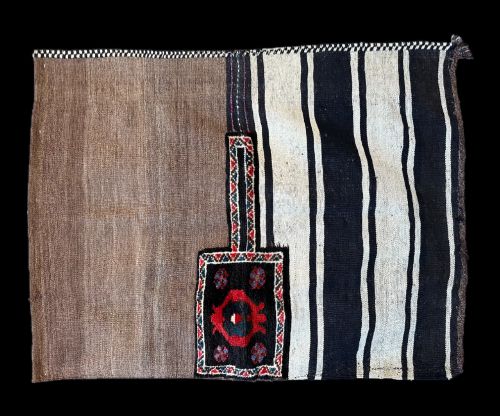
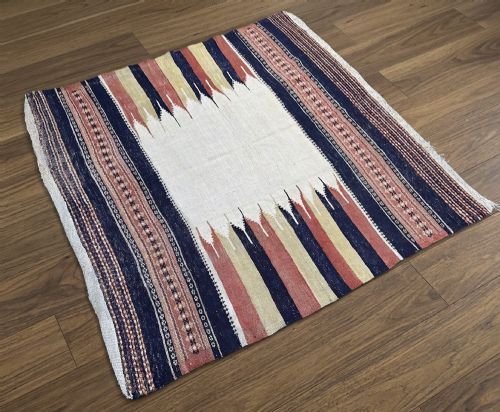
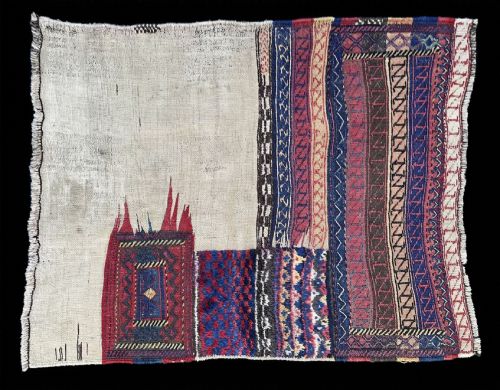
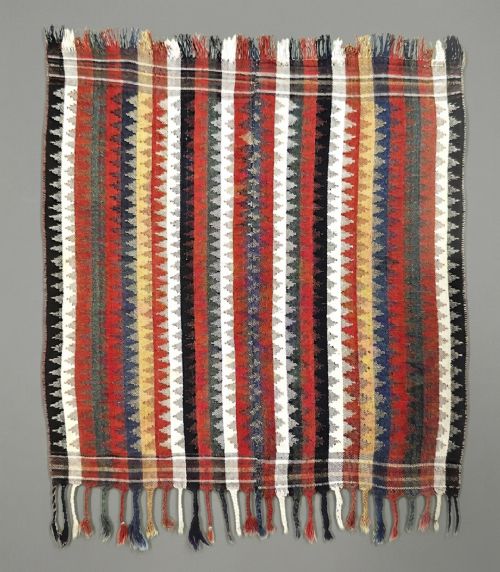
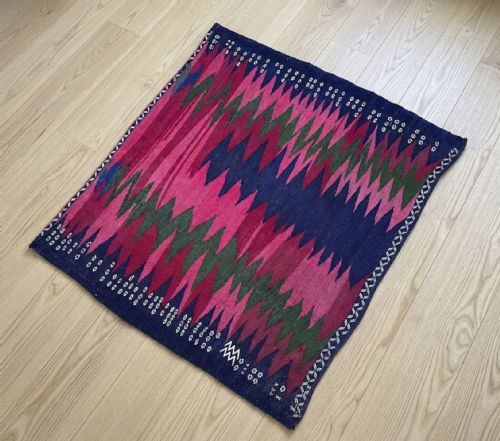
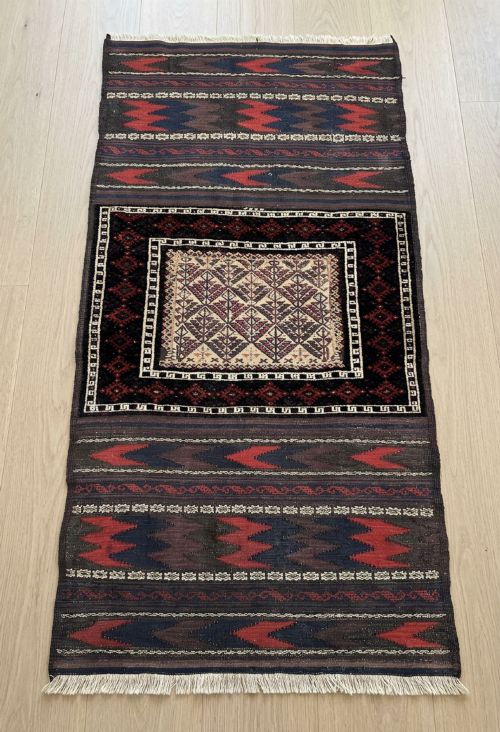
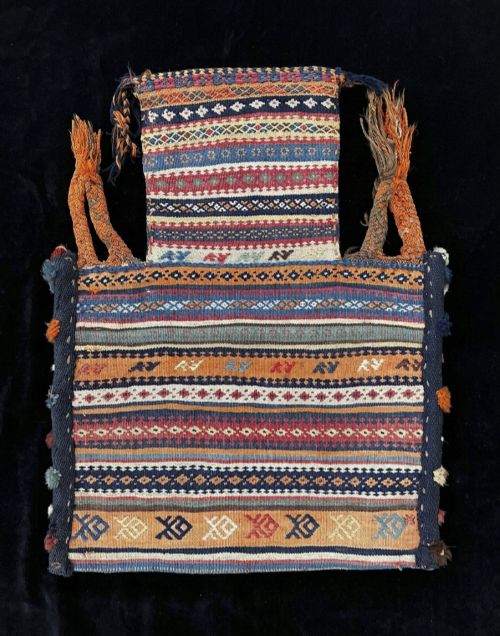
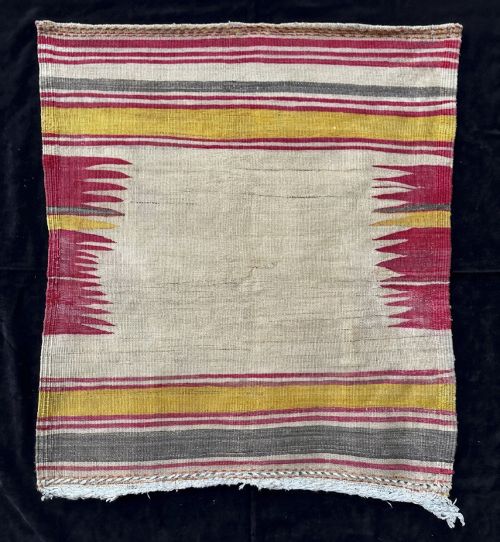
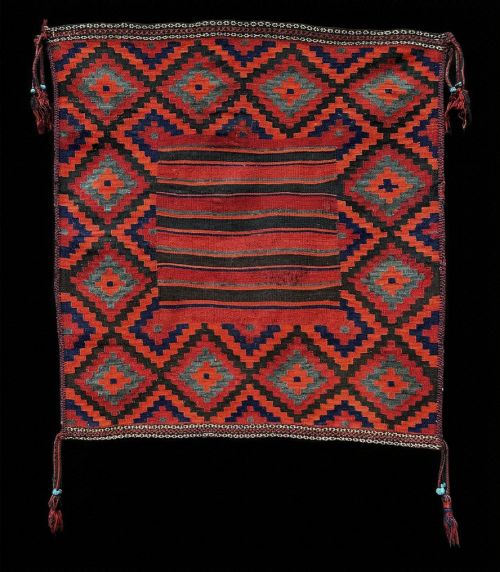
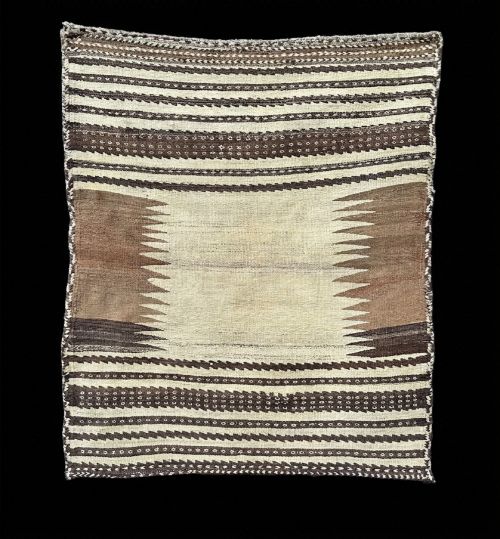
A persian kilim wall hanging on this page typically originates as a utilitarian tribal item rather than a decorative furnishing made for export. These pieces span bread-sofrehs, storage-bags, salt-bags, and wheat-sacks produced by nomadic groups such as the Qashqa'i, Lori-Bakhtiari, Afshar, and Shahsavan. They showcase the functional artistry of nineteenth and early twentieth century weavers across Persian provinces.
The format on display leans heavily towards flatweaves adapted from domestic contexts, including dining cloths and saddle-bags repurposed for display. Buyers encounter formats like the square tacheh or the elongated bread-sofreh, each carrying symbols and patterns tied to specific tribal confederacies. These items translate regional weaving traditions into striking vertical wall art.
Materials and construction
Weavers constructed these pieces using hand-spun wool and cotton foundations, frequently incorporating goat hair for structural durability along the edges. Natural dyes provide the underlying palette, yielding rich tones that age with considerable depth across the flatweave surface.
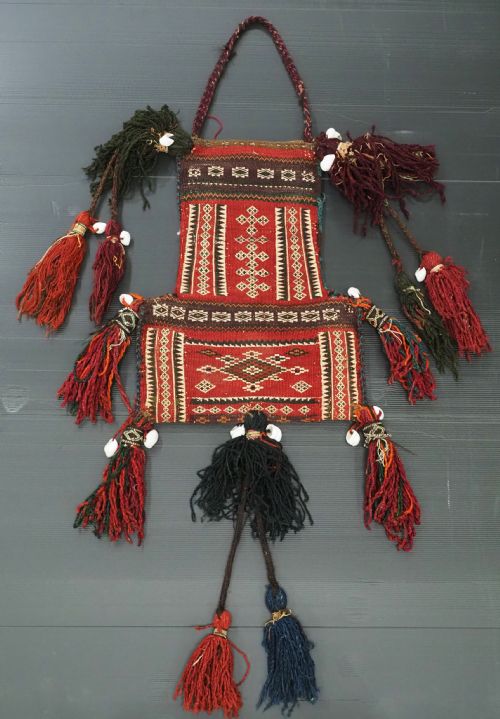
Certain examples integrate additional tactile elements such as leather, metal, and cowrie shells into storage-bags and saddle-bags. The slit-weave flatweave technique creates sharp geometric boundaries without pile, making the resulting textiles light enough to hang securely.
Persian Kilim Wall Hanging Retail Price Guide 2026
Typical asking prices for persian kilim wall hanging among the pieces listed under this phrase on Sellingantiques today, from the lower quarter to the upper quarter. They describe what is for sale here now, not the wider market.
Some storage-bags retain their original cowrie shells and leather attachments, once added by nomadic weavers to ward off the evil eye.
Judging the work
Quality rests in the tightness of the weave, the precision of the geometric motifs, and the clarity of the natural dye palette. Pieces that retain original backs, complete side cords, and untouched tribal details hold greater integrity for collectors.
The distinction between a standard utility sack and a masterwork lies in the complexity of the design layout and the handling of secondary filler patterns. Finer examples display balanced proportions and saturated colour combinations unique to the specific tayefeh or tribe.
The Persian Kilim Wall Hanging Glossary
- Kilim
- A flatwoven textile produced without a pile by tightly interweaving warp and weft strands. This method results in a lightweight fabric suitable for floors, bags, and vertical display.
- Sofreh
- A spread or cloth used traditionally for dining, kneading bread, or serving meals within nomadic households. These flatweaves often feature minimalist geometric fields framed by symbolic borders.
- Tacheh
- A woven wheat-sack or storage container used by pastoral tribes to transport grain and provisions. Their robust construction and utilitarian designs translate well to wall mounting.
- Namakdan
- A specialised salt-bag characterised by a narrow neck and a flared base, designed to keep rock salt dry. These smaller pieces demonstrate intricate supplementary weft work.
Persian Kilim Wall Hanging: Frequently Asked Questions
How do I hang a flatweave safely?
Mount the textile by stitching a cotton sleeve to the upper reverse edge, then slide a padded wooden slat or slim metal rod through the fabric. This distributes the weight evenly across the entire top margin without puncturing the wool.
Avoid using direct nails, clips, or heavy adhesives that can distort the flatweave structure or strain individual warp threads over time.
Which tribes made these textiles?
Nomadic and semi-nomadic confederacies across Persia produced these flatweaves, including the Qashqa'i, Lori-Bakhtiari, Afshar, Shahsavan, and Baluch. Each group utilised distinct colour palettes, wool qualities, and geometric layouts tied to their specific geographic regions.
Identifying the maker often depends on recognising regional motifs from areas such as Fars Province, the Chahar Mahal valley, or Kerman.
How are these dates determined?
Dating relies on analysing the wool preparation, natural dye saturation, structural wear patterns, and traditional tribal motifs recorded in the weave. Late nineteenth and early twentieth century pieces display distinct hand-spun textures and dye interactions predating synthetic colourants.
Stylistic conventions and structural traits anchor each piece within specific decades of the 19th and early 20th centuries.
How do I care for wool wall textiles?
Protect the piece from direct sunlight to prevent natural dye fading, and gently vacuum the surface using a low-suction attachment through a mesh screen. Keep the textile away from damp walls and high-humidity areas to protect the organic fibres.
Professional textile conservators should handle any deep cleaning or structural repairs rather than standard household laundering.