





Fars Province Tribal Bag
A fars province tribal bag is a tactile piece of nomadic heritage, offering rich patterns and authentic hand-spun wool for your interior.
Fars Province Tribal Bag
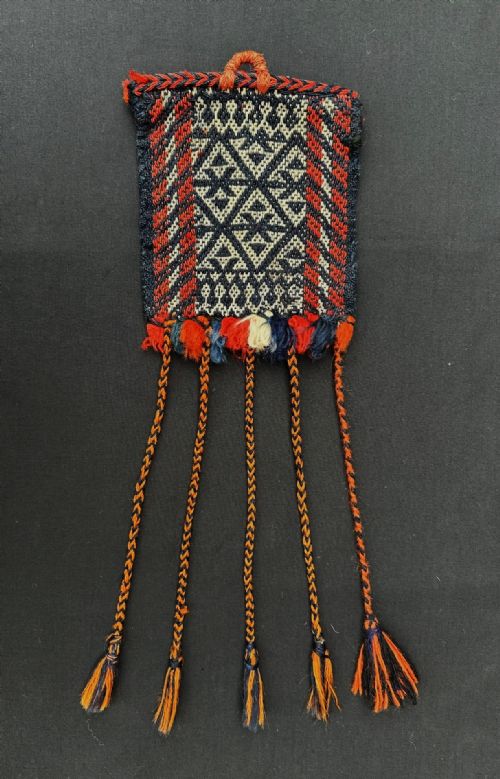
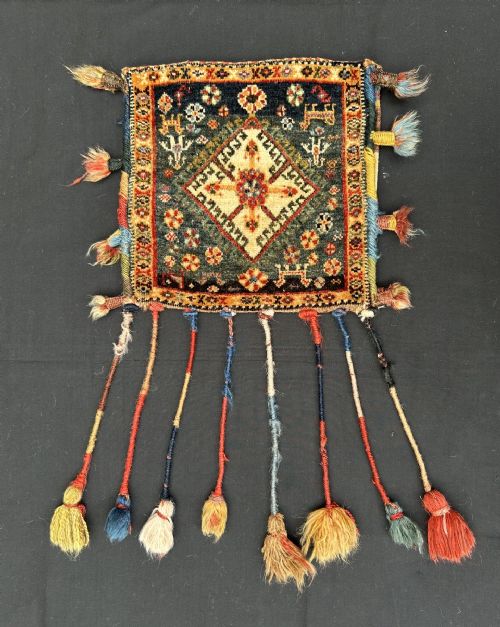
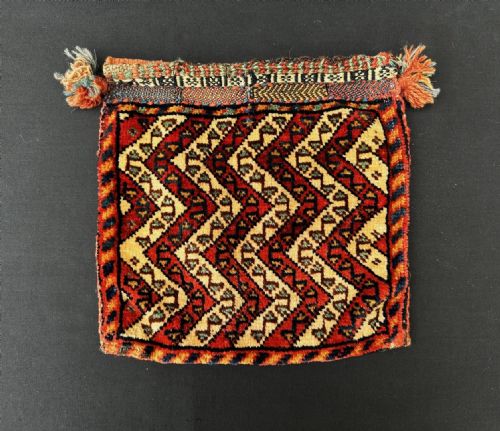
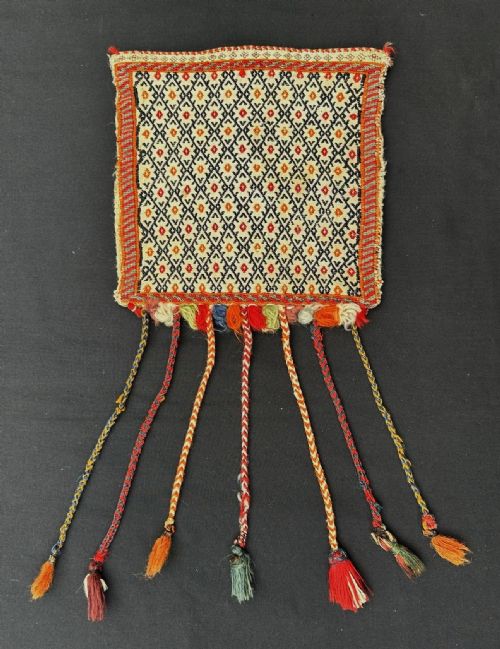
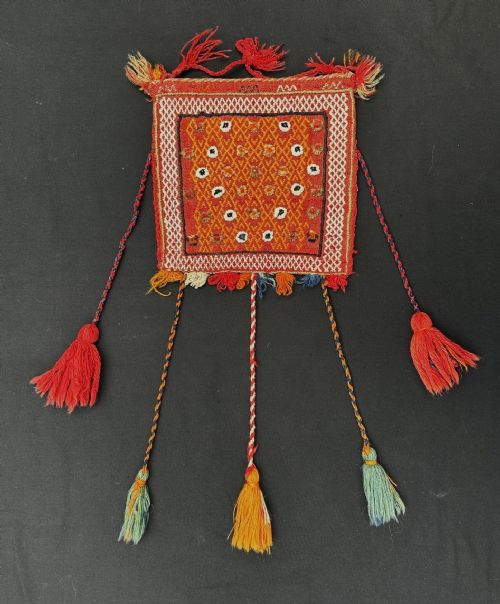
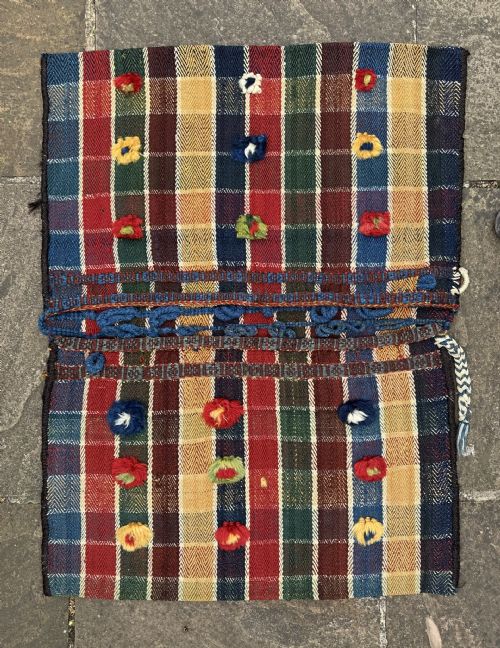
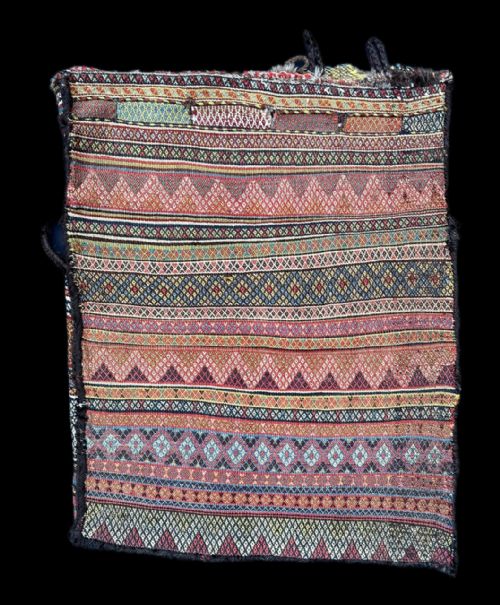
A fars province tribal bag represents the nomadic textile traditions of south-west Persia, originating primarily from the Qashqa'i confederacy and its various sub-tribes and tayefeh. When exploring these items, you will encounter specific functional forms such as vanity-bags, salt-bags, spindle or water-pipe bags, storage-bags, and complete or half-saddlebags. These utilitarian objects were woven by tribal nomads for practical daily transport and storage within their encampments.
The pieces available typically date from the late nineteenth century around eighteen-eighty to nineteen-hundred, showcasing distinct Persian tribal and Qashqa'i tribal styles. Each fars province tribal bag reflects the specific lineage of the weaver, often attributed in the nomenclature to groups such as the Bolvardi, Kashkuli Tayefeh, Shekarlu Tayefeh, Darrehshuri Tayefeh, or Ard Kapan Taifeh.
Materials and construction methods
The construction of a fars province tribal bag relies on traditional materials, predominantly utilising hand-spun wool and cotton. Weavers sourced local wool, which provided the durable pile and flatweave structures necessary for items subjected to rigorous nomadic use.
Colour comes from natural dyes applied to the fibres before weaving, creating the characteristic palette seen in these Persian textiles. The combination of hand-spun wool and natural dyes results in a resilient fabric with a textured surface that responds well to traditional weaving techniques.
Even a humble water-pipe bag received the same meticulous wool knotting as a grand tribal rug.
Distinguishing quality in weaving
Quality in a fars province tribal bag depends heavily on the fineness of the weave and the clarity of the tribal motifs executed by the maker. Tighter knotting and precise geometric or figurative patterning indicate a higher level of craftsmanship from specific tribal groups.
The handling of natural dyes also dictates the visual depth of the piece, where varied hues and rich saturation elevate the overall aesthetic. Preservation of the original structure, whether a full saddle-bag face or a smaller vanity-bag, contributes significantly to the integrity of the object.
The Fars Province Tribal Bag Glossary
- Qashqa'i Confederacy
- A major federation of nomadic tribes of mostly Turkic origin living in south-west Persia. They are renowned for producing some of the finest tribal weaving in the region.
- Tayefeh
- A term denoting a clan or sub-tribe within the larger confederation structure. Knowing the tayefeh helps localise the specific aesthetic and weaving traits of a bag.
- Salt-Bag
- A small utilitarian container traditionally used for storing salt within a nomadic tent. These bags often feature dense pile weaving and distinct geometric designs.
- Saddle-Bag Face
- The decorative front panel of a larger paired animal bag used for transport on horses or camels. Many surviving examples are preserved as single decorative panels.
- Natural Dyes
- Colourants derived from plants, insects, and minerals rather than synthetic compounds. They yield subtle variations in tone that develop a pleasing patina over time.
Fars Province Tribal Bag: Frequently Asked Questions
What is a fars province tribal bag?
A fars province tribal bag is a woven textile made by nomadic groups in south-west Persia for practical storage and transport.
These pieces include functional forms like vanity-bags and saddle-bags, created using traditional hand-spun wool.
How were these bags used originally?
Nomadic tribes utilised these textile containers to carry personal items, salt, or smoking equipment during migrations.
They hung inside tents or served as pack animals' cargo, combining heavy utility with expressive tribal artistry.
How should I display a tribal bag?
Many collectors mount these textile bags flat on walls to showcase their intricate geometric patterns and natural dye colours.
Smaller bags can also be placed on surfaces or framed to protect the historic wool structure from excessive wear.
How do I identify different tribal groups?
Attributions rely on specific design traits and documented origins linked to confederacies like the Qashqa'i and their sub-tribes.
Each clan utilised distinct colour combinations and motif arrangements that signal their particular regional heritage.