


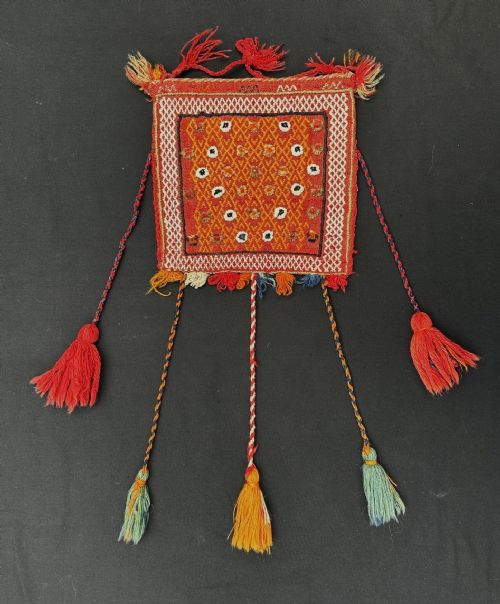


Antique Qashqai Weaving
When you explore antique qashqai weaving, you enter the nomadic textile traditions of south-west Persia through rugs, kilims, and functional bags created by tribal makers.
Antique Qashqai Weaving
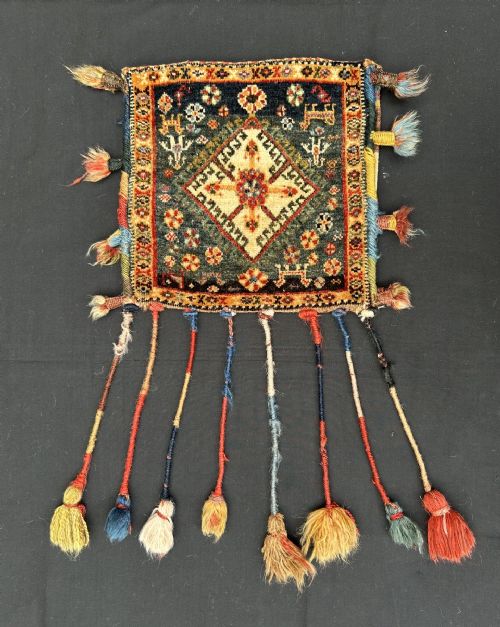
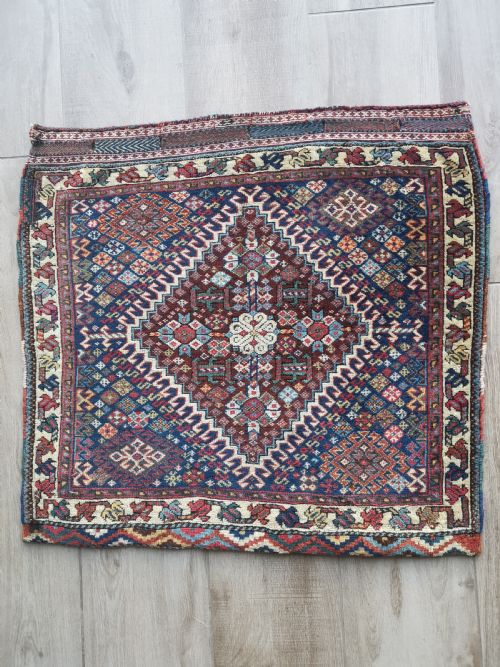
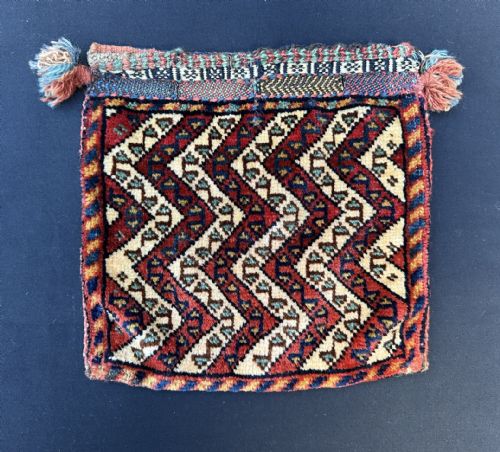
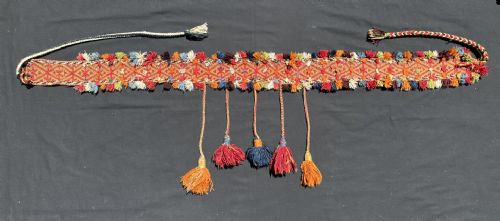
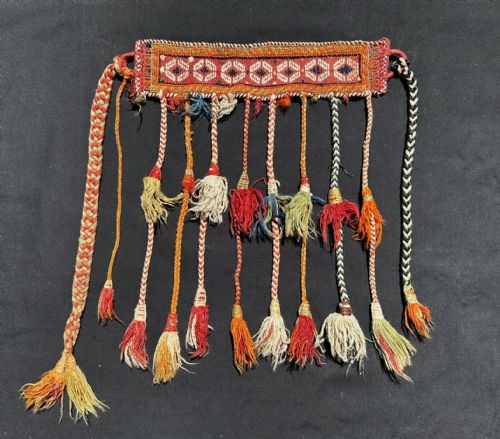
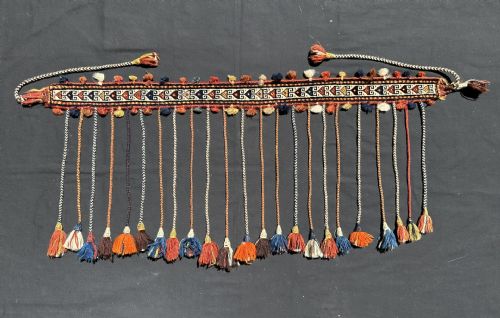
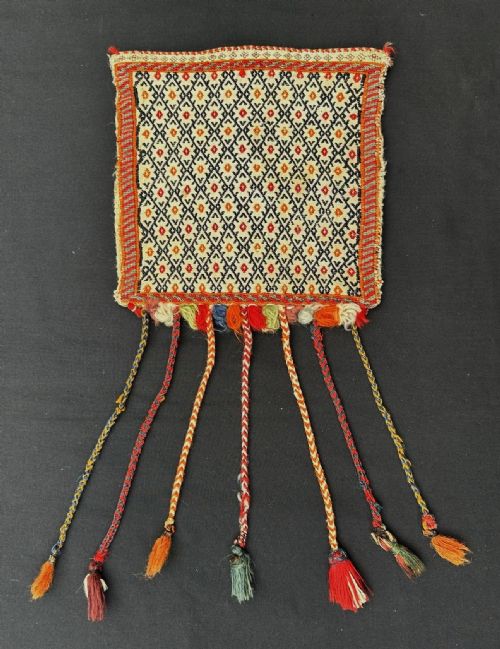
An antique qashqai weaving encompasses diverse formats ranging from large area rugs and carpets to smaller utilitarian objects such as saddlebag faces, vanity bags, animal trappings, and flatwoven kilims. These pieces originate primarily from the Fars Province of south-west Persia, produced by the confederacies and sub-tribes inhabiting the region.
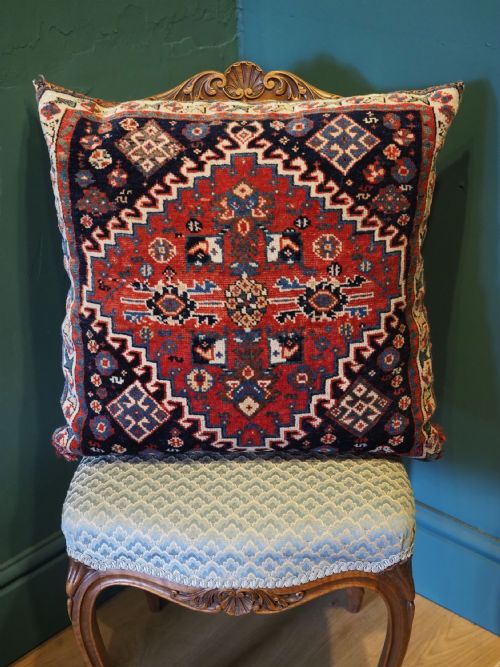
The pieces encountered on this page often take the form of compact bag faces, smaller cushions, and tribal rugs dating from the nineteenth century into the early decades of the twentieth century. Nomadic makers wove these items for daily use within tribal camps, resulting in surviving examples that reflect both practical utility and distinct cultural artistry.
Evaluating the Weaving
Quality in antique qashqai weaving rests upon the fineness of the knotting and the handling of the wool. Tighter structures and more precise execution distinguish finer tribal rugs and saddlebag faces from simpler utilitarian pieces.
The depth and variation of natural dyes further differentiate examples, as does the complexity of the central medallions and tribal motifs. Greater harmony in the palette and clarity in the design contribute to a higher tier of workmanship.
Listings span periods from the nineteenth century through the nineteen-thirties, incorporating wool, cotton, leather, and wood.
The Antique Qashqai Weaving Glossary
- Kilim
- A flatwoven textile produced without a pile, commonly utilised for rugs and decorative coverings. These pieces rely on warp and weft interweaving to form geometric patterns.
- Gabbeh
- A coarse, thick pile rug traditionally woven by nomadic groups, featuring open fields with minimal decoration. These textiles display simplified tribal designs executed with hand-spun wool.
- Tayefeh
- A sub-tribe or clan within the larger Qashqa'i confederacy of south-west Persia. Specific groupings like the Kashkuli and Darrehshuri are frequently associated with particular weaving styles.
- Medallion
- A central ornamental motif positioned in the field of a rug or bag face. This design element often anchors the surrounding geometric and animal patterns.
Antique Qashqai Weaving: Frequently Asked Questions
What is an antique qashqai bag face?
A bag face is the decorative front portion of a larger utilitarian nomadic container, such as a saddlebag, used for storage or transport during travels in south-west Persia.
These panels were preserved when the original backing wore out, allowing the detailed hand-knotted pile or flatweave patterns to survive independently as small decorative textiles.
How do you date these tribal weavings?
Dating relies on material analysis, structural evidence, and stylistic comparisons with documented pieces from the nineteenth and early twentieth centuries.
Changes in dye palettes, wool preparation, and tribal attributions help place individual rugs and trappings within specific decades from the eighteen-eighties onward.
Where were these textiles made?
These pieces were produced by nomadic and settled tribal groups within the Fars Province of south-west Persia. Confederacies such as the Qashqa'i created these items across their traditional migration routes and territories.
Different sub-tribes within the confederacy developed distinct preferences for colours, motifs, and weaving formats.
How should I care for an antique rug?
Care involves gentle vacuuming without a rotating brush and keeping the textile away from prolonged, direct sunlight to protect the natural dyes.
Professional cleaning tailored to antique wool textiles ensures the hand-spun fibres and natural materials remain stable over time.