




Period Oak Side Desk
A period oak side desk brings utilitarian warmth to a room, offering practical surface space and storage through centuries of craftsmanship.
Period Oak Side Desk
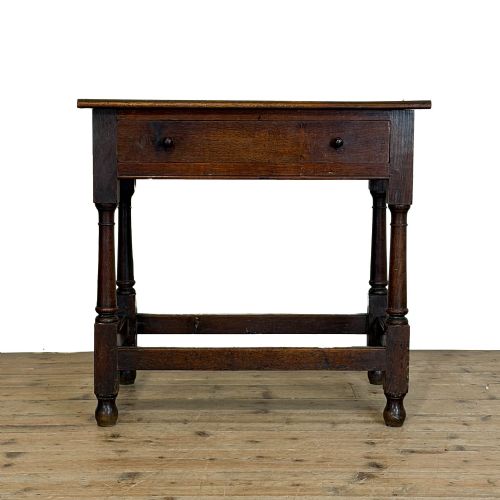
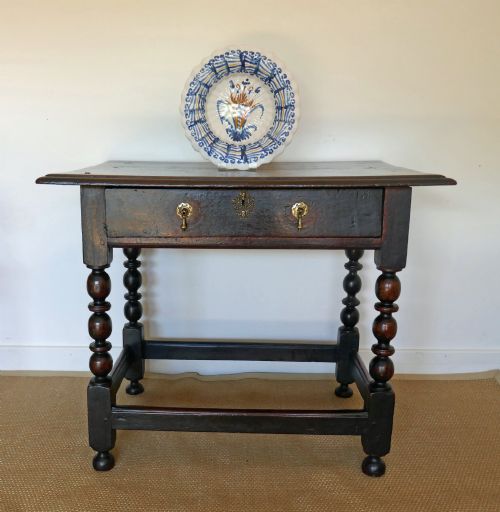
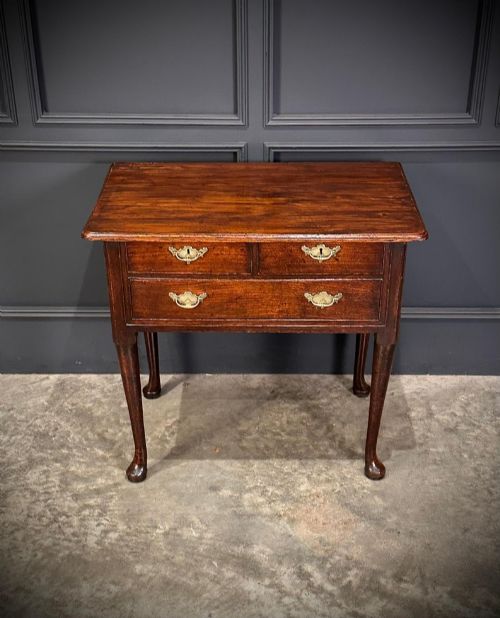
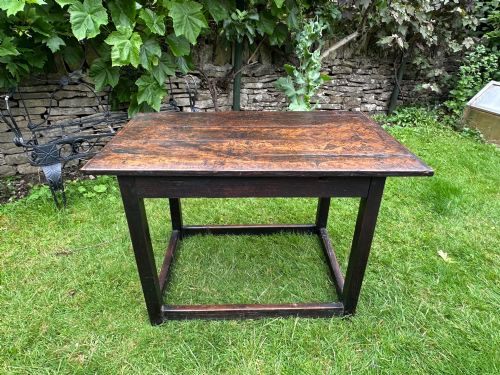
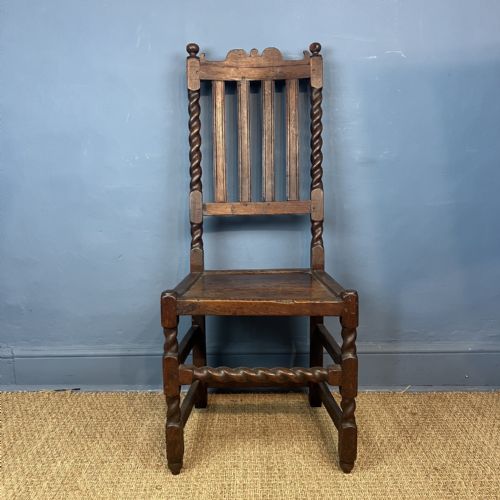
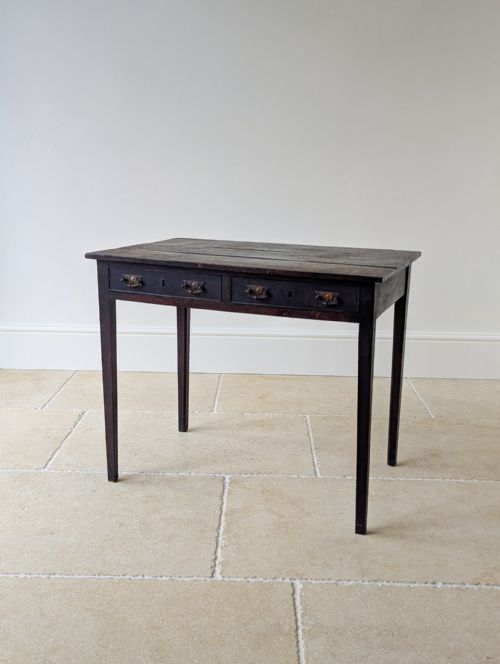
When you search for a period oak side desk, you encounter versatile utilitarian forms including side tables, writing tables, lowboys, and partners desks. These pieces span the seventeenth, eighteenth, and nineteenth centuries, reflecting domestic workspace needs across rural and urban settings.
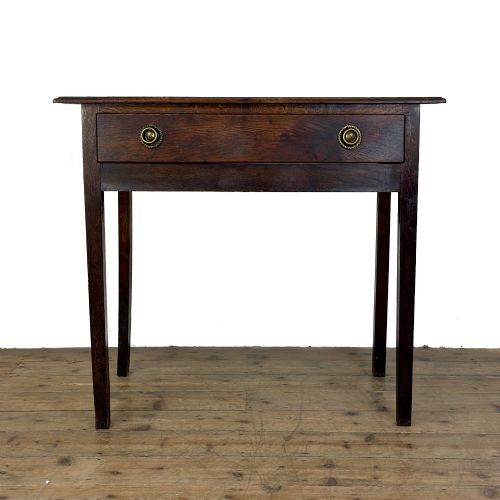
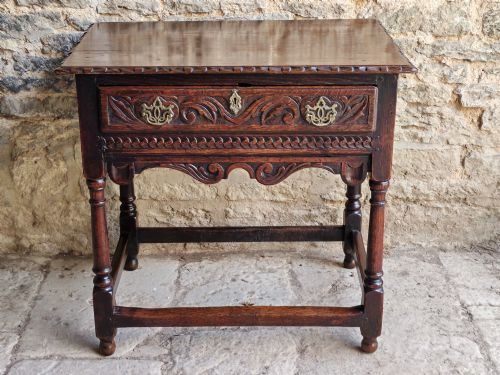
The version you are most likely to meet on this page is an eighteenth-century oak side table or lowboy equipped with a single drawer and plank top. Examples stretch from the seventeenth-century Charles II era through the Georgian period up to Edwardian iterations.
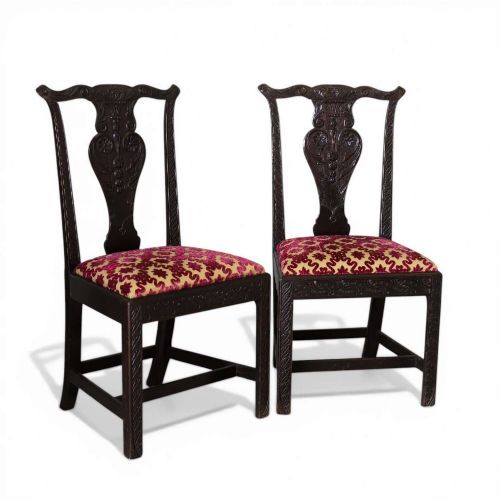
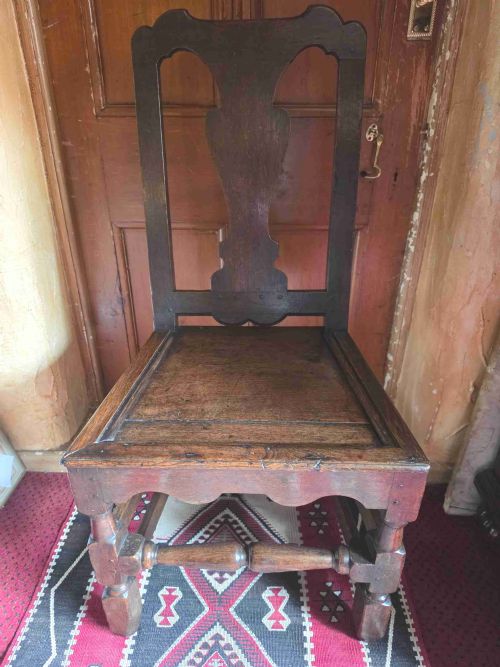
Geographic variations emerge in regional pieces such as Welsh country tables and Scottish chairs, showing how local joinery traditions shaped standard domestic furniture. Dating ranges from specific periods like seventeen-hundred through to nineteen-ten.
Distinctions in quality and execution
The top of the range is distinguished by bold proportions, deliberate carving, and integrated drawer structures such as those seen in seventeenth-century pieces. Superior examples maintain structural integrity alongside original timber surfaces and patination.
Lower tiers of quality involve plainer construction with minimal detailing or later alterations to the timber and hardware. The distinction lies in the crispness of the original joinery and the harmonious integration of drawers and table tops.
Seventeenth-century tavern tables likely held countless tankards of ale before finding their way into modern sitting rooms.
The Period Oak Side Desk Glossary
- Lowboy
- A small oak table with drawers, typically used as a dressing table or side table in the eighteenth century. It usually stands on four legs and provides compact storage.
- Partners desk
- A large desk designed with drawers and cupboards on both sides, allowing two people to work opposite one another. Burr oak versions appear in Regency pieces.
- Plank top
- A table top constructed from solid wooden boards joined edge to edge. This technique is common in seventeenth and eighteenth-century oak tables.
- Central splat
- The vertical piece of wood down the middle of a chair back, found in single side chairs from the seventeenth century onwards.
- Writing table
- A freestanding table designed specifically for correspondence and paperwork, frequently featuring one or more drawers beneath the writing surface.
Period Oak Side Desk: Frequently Asked Questions
What is a lowboy used for?
A lowboy functions primarily as a small side table or dressing table equipped with drawers. Historically, people placed them in bedrooms or parlours for personal grooming and storage.
Today, buyers utilise them in hallways or living rooms as compact accent tables that provide surface area without dominating the floor space.
How do I date an oak table?
Dating an oak table involves examining the construction methods, joinery, and timber characteristics. Seventeenth-century examples often display bolder proportions and hand-carved details.
Later eighteenth and nineteenth-century pieces tend toward refined lines and standardised hardware, while Edwardian items show lighter proportions.
Where were these desks placed?
These pieces served practical functions in domestic and institutional interiors, positioned against walls in parlours, hallways, or libraries. Side desks and writing tables provided dedicated surfaces for correspondence.
Larger partners desks stood centrally in studies or offices to accommodate work from multiple sides simultaneously.
What is burr oak?
Burr oak refers to timber taken from a tree growth deformity that produces intricate, swirling grain patterns. Cabinet makers utilised this prized wood for decorative veneer on high-status furniture.
Its distinct visual texture adds significant decorative interest to Regency desks and fine tables.