
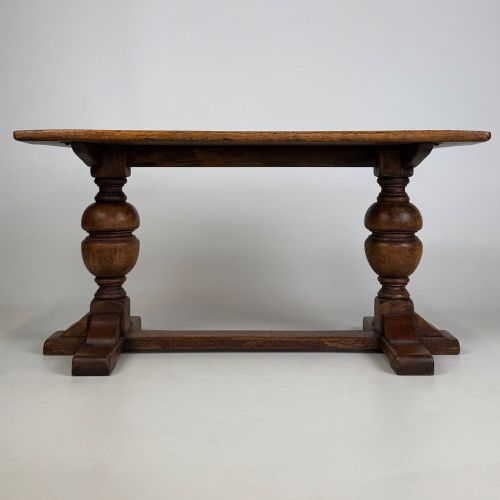
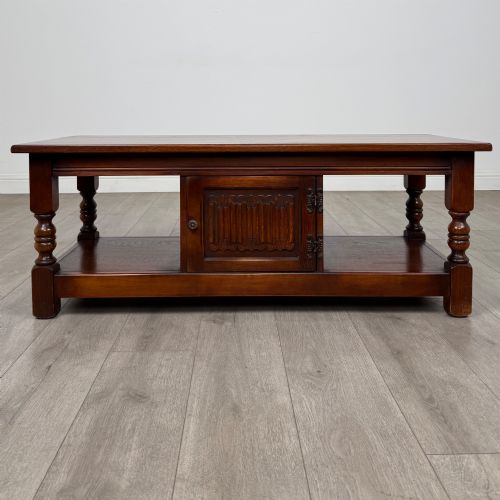
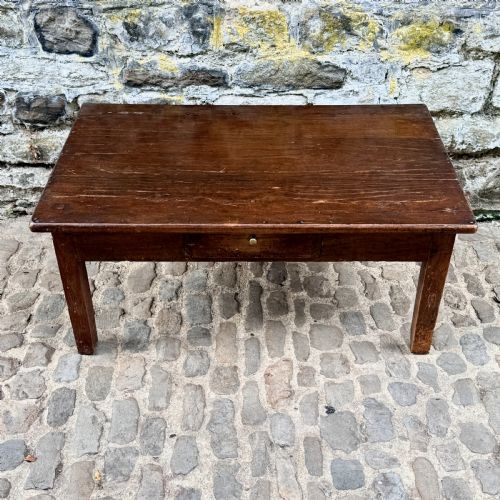
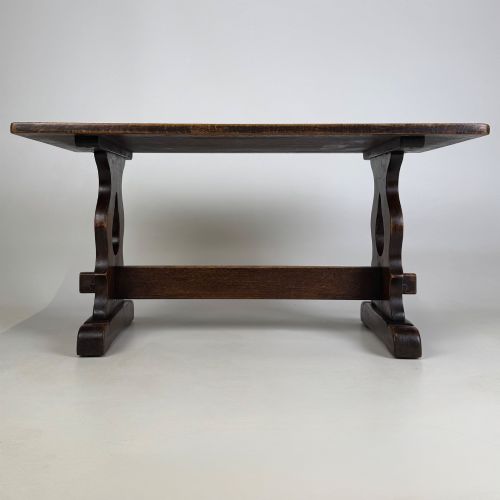
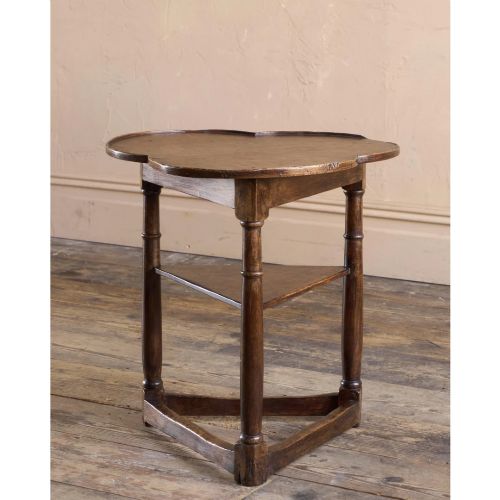
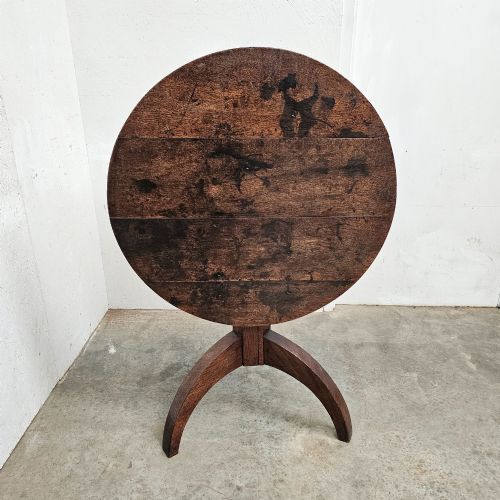
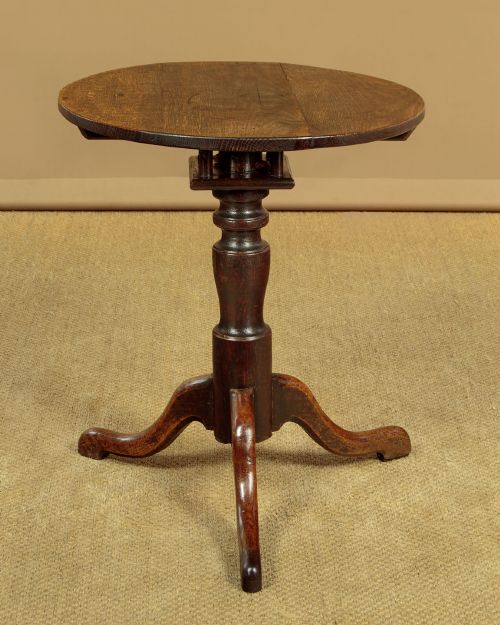


Rustic Oak Tea Table
These rustic oak tea table pieces bring solid timber and straightforward design into daily service, offering a grounded surface for rooms that favour history over polish.
Rustic Oak Tea Table
A rustic oak tea table combines the honest grain of English and continental timber with practical low or occasional forms suited to modern and traditional sitting spaces alike. When buyers search for a rustic oak tea table, they encounter pieces ranging from vernacular tripod tables and cricket tables to gatelegs and low coffee tables produced across the eighteenth, nineteenth, and early twentieth centuries.
The versions most frequently met on this page span the Edwardian era back to the eighteenth century, taking shape as tripod tables, occasional tables, and low coffee tables. Styles lean towards Georgian vernacular, English country, and Arts and Crafts traditions, prioritising utility and robust construction over decorative excess.
Materials and construction
Construction relies heavily on solid oak, often paired with chestnut, pine, or metal fittings, depending on the regional workshop and period. Surfaces frequently show the marks of hand-working, utilising traditional joinery methods appropriate for everyday tables meant to withstand heavy use.
Finishes vary from natural waxed timber to aged paint or bleached surfaces, reflecting both original utility and later domestic changes. Turned legs, tilt-top mechanisms, and simple single-drawers appear regularly across the selection, executed with straightforward competence.
Listings feature oak alongside chestnut, pine, and brass, spanning the eighteenth century to the Edwardian era in coffee, tripod, and gate-leg forms.
Assessing quality
Quality rests upon the integrity of the timber selection and the retention of original structural elements rather than applied ornamentation. Tables built with well-seasoned oak boards show greater stability across tops and joints, maintaining their original stance without undue wobble.
The refinement of the turning on legs and the harmony of proportions distinguish superior vernacular examples from more utilitarian workshop output. Surface patination accumulated through decades of use also separates pieces with honest character from those with diminished integrity.
The Rustic Oak Tea Table Glossary
- Cricket table
- A small three-legged table with a triangular top, traditionally used in vernacular settings for stability on uneven floors.
- Gate-leg table
- A table with hinged flaps supported by legs that swing out like gates, allowing the surface area to expand or contract.
- Tripod table
- A standalone table supported by a central pillar resting on three feet, frequently featuring a tilt-top mechanism.
- Patina
- The deep surface sheen and colour developed by wood over years of handling, polishing, and environmental exposure.
- Vernacular
- Everyday furniture made by local craftsmen for practical domestic use rather than following high courtly or academic design dictates.
Rustic Oak Tea Table: Frequently Asked Questions
How are these tables used?
These pieces serve primarily as low coffee tables, occasional surfaces, or side tables in sitting rooms and studies.
Their sturdy timber construction makes them suitable for holding everyday items while adding historical character to a room.
What periods do these pieces span?
The selection covers items produced from the eighteenth century through the Victorian period and into the early twentieth century.
Edwardian interpretations and earlier vernacular pieces sit alongside one another, reflecting diverse regional workshop traditions.
How do I care for rustic oak surfaces?
Maintain the wood by applying traditional beeswax periodically to nourish the grain and protect the aged finish.
Avoid placing timber surfaces in direct sunlight or near strong heat sources to prevent drying and splitting.