


English Arts Crafts Table
An English arts crafts table brings honest construction and solid timber into a room without fuss.
English Arts Crafts Table
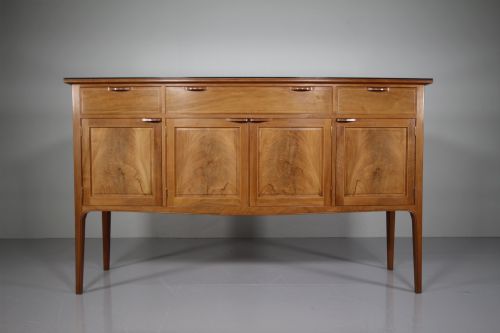
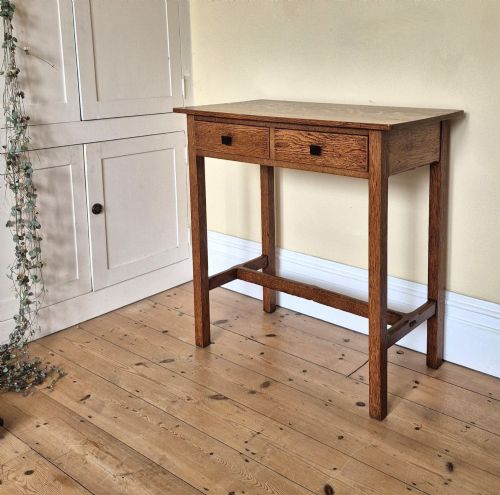
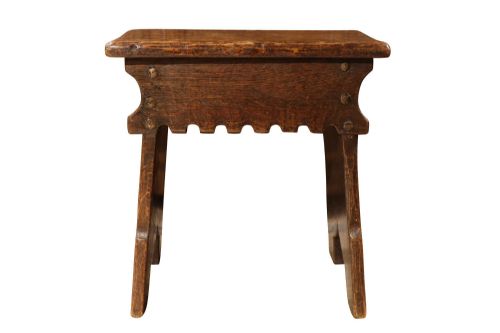
When you search for an English arts crafts table, you encounter practical furniture designed to show the natural grain of the wood rather than conceal it beneath heavy veneer. The items here span the nineteenth century through the nineteen-thirties, taking forms such as oak side tables, occasional stands, writing desks, and refectory dining pieces.
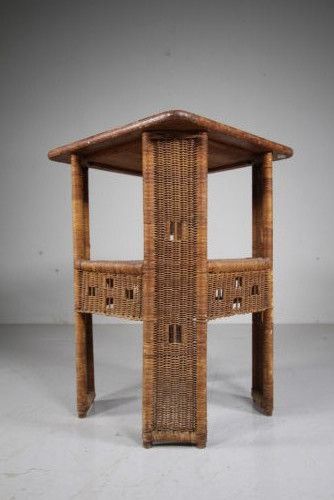
Oak dominates the selection, appearing in plain finishes, bleached tones, and dark patinas across square, rectangular, and octagonal shapes. Alongside solid timber frames, you find occasional pieces using wicker, cane, and rattan, reflecting the broader scope of the movement.
Makers and workshops range from Cotswold School cabinetmakers to retail houses like Liberty and Heal's. Pieces appear from nineteen hundred, nineteen twenty, and nineteen thirty, alongside examples attributed to regional designers such as Hubert Simpson of Kendal.
What varies in quality
Quality rests on the integrity of the timber selection and the precision of the joinery. Pieces featuring figured walnut or quartersawn oak with prominent medullary rays demonstrate superior material choice compared to plain utility boards.
Design attribution and workshop provenance elevate certain examples above standard workshop output. Signed pieces or stamps from known makers and retailers indicate a higher tier of craftsmanship and design ambition.
Proportion and restraint define the finer items, where structural elements double as decoration without becoming overly ornate or drifting away from movement principles.
The listings show oak, walnut, ash, pine, wicker, cane, and rattan used across tables spanning the nineteenth century to nineteen thirty.
Edward Barnsley·Dryad of Leicester·Archibald Knox for Liberty & Co·Hubert Simpson of Kendal·WAS Benson·Heals of London·William Soutter & Sons·Howard & Sons
The English Arts Crafts Table Glossary
- Quartersawn oak
- Timber cut radially through the growth rings, producing distinctive flake patterns known as medullary rays. This cut offers superior stability and visual appeal in arts and crafts furniture.
- Pegged construction
- A method of joining wood using wooden pins or dowels driven through mortise and tenon joints. It eliminates the need for modern metal fasteners.
- Refectory table
- A long dining table traditionally used in communal halls, adapted during the period into domestic dining formats. These heavy oak boards rest on sturdy trestle or four-leg bases.
- Cotswold School
- A regional design grouping associated with handmade furniture principles, valuing traditional hand tools and unadorned construction. Practitioners emphasised the inherent beauty of the timber itself.
- Occasional table
- A small, movable piece designed for specific, temporary uses such as holding a lamp, book, or tea service. These include side, coffee, and cricket table formats.
English Arts Crafts Table: Frequently Asked Questions
How do I identify an arts and crafts table?
Look for honest construction methods, such as exposed pegged joints, chamfered edges, and solid timber construction free from heavy veneers.
Designs typically avoid elaborate Victorian carving in favour of clean lines that highlight the natural grain of oak, walnut, or ash.
What woods were used for these tables?
English oak is the most common material seen across side tables, coffee tables, and refectory dining pieces.
Walnut, ash, and pine also appear alongside alternative materials like wicker, cane, and rattan in lighter occasional items.
How do I care for an antique oak table?
Maintain the wood by applying a quality beeswax periodically to nourish the dry timber and protect the surface from moisture.
Avoid placing solid wood furniture near direct heat sources or in fluctuating humidity to prevent splitting.
Are these tables suitable for modern homes?
Their restrained proportions and practical forms make them adaptable to contemporary hallways, living rooms, and studies.
Side tables, occasional stands, and small writing desks integrate easily alongside modern seating and interior palettes.