


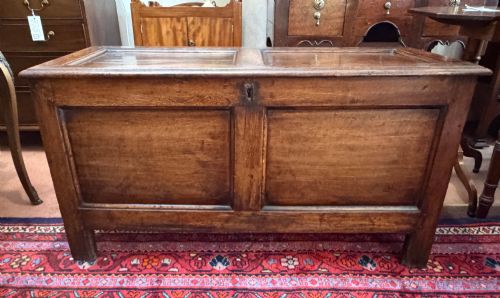
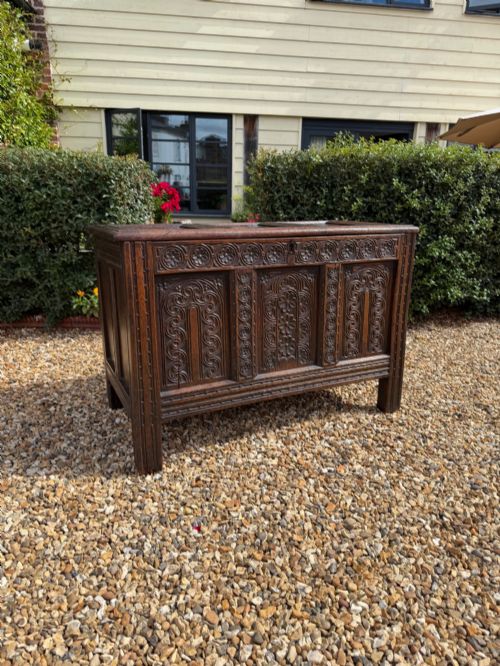
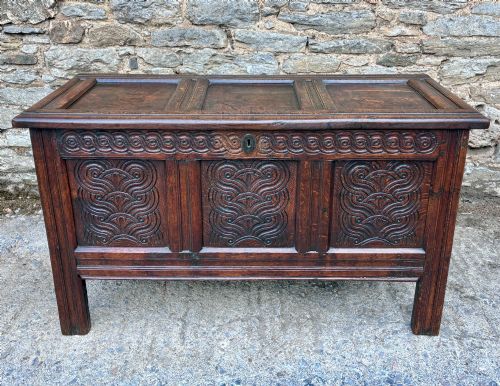
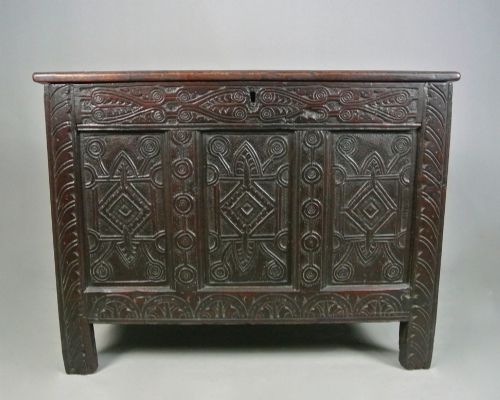
Period Oak Chest
When you search for a period oak chest, you are looking at centuries of functional storage shaped by early craftsmanship and durable timber.
Period Oak Chest
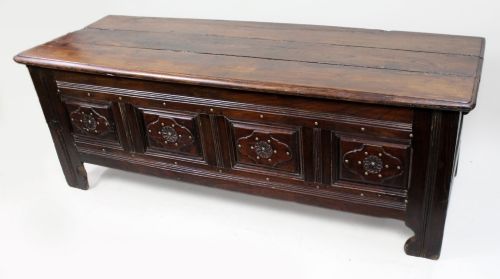
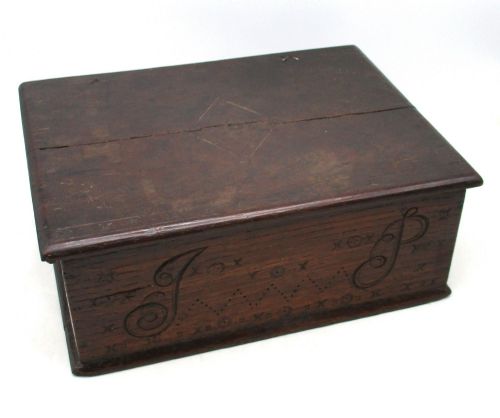
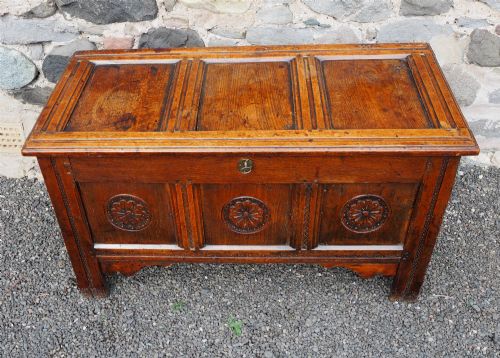
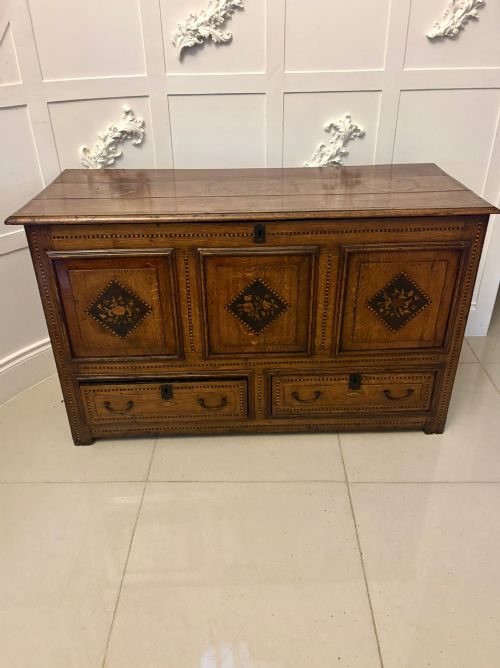
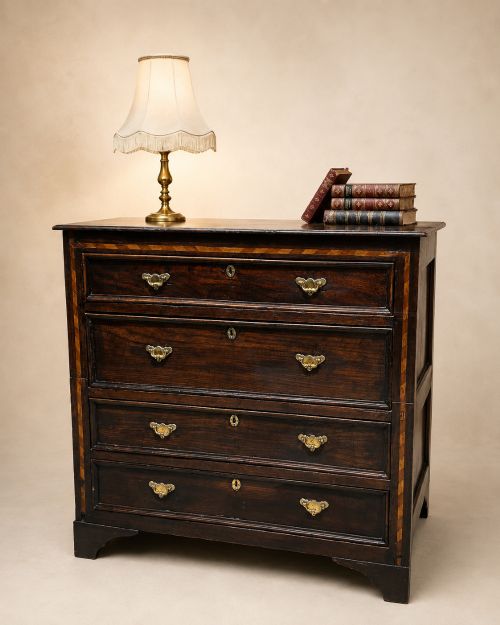
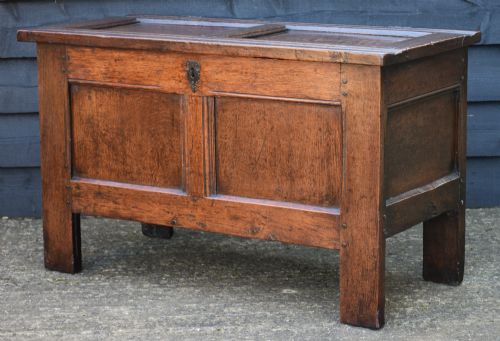
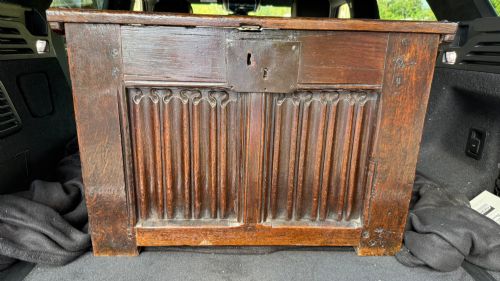
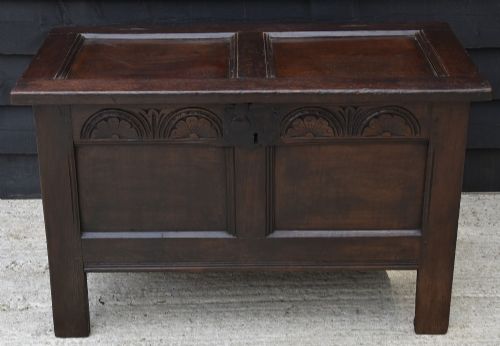
A period oak chest encompasses early forms such as sixteenth and seventeenth-century coffers, mule chests with lower drawers, and later drawer chests from the Georgian era.
The primary examples met on this page span the 16th century through to the 18th century, alongside vernacular pieces featuring regional characteristics.
These items served various household purposes, functioning as blanket boxes, linen storage, and document repositories before evolving into multi-drawer case furniture.
How They Were Made
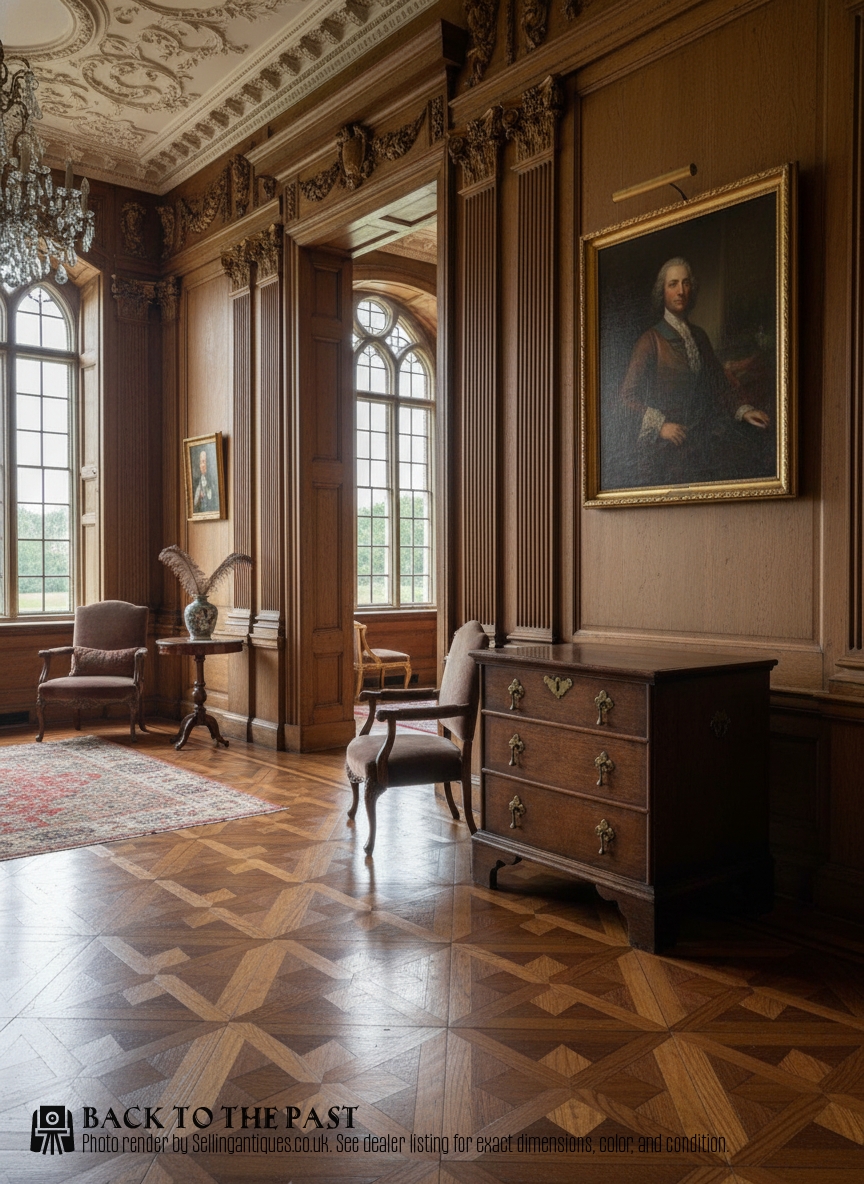
Constructed predominantly from solid oak, these pieces frequently incorporate panelled framing techniques to accommodate the natural movement of timber over time.
Decoration often relies on hand carving, geometric mouldings, and occasional marquetry or fruitwood inlay rather than applied veneers.
Iron and brass hinges, locks, and handles secure the structures, reflecting the blacksmithing and metalworking standards of their respective periods.
Period Oak Chest Retail Price Guide 2026
Typical asking prices for period oak chest among the pieces listed under this phrase on Sellingantiques today, from the lower quarter to the upper quarter. They describe what is for sale here now, not the wider market.
Some seventeenth-century coffers retain secret compartments hidden behind internal panels for stashing particularly valuable documents.
What Varies In Quality
The integrity of the timber and the depth of carved detail distinguish standard utility items from finer workshop productions.
Originality of surface patina, hardware, and structural joints heavily influences the standing of an individual piece.
Proportion and scale also play a role, with smaller dimensions and regional idiosyncrasies often indicating specialised construction.

Edwards and Roberts
The Period Oak Chest Glossary
- Coffer
- A large wooden chest used historically for holding valuables, linen, or documents. They typically feature a hinged lid and solid plank or panelled construction.
- Mule Chest
- A storage chest featuring one or more drawers built into the base beneath the main compartment. This form bridges the gap between the traditional coffer and the chest of drawers.
- Panelling
- A method of framing where thin panels of timber are set within grooved stiles and rails. This technique allows the wood to expand and contract with humidity changes without splitting.
- Marquetry
- The art of applying pieces of veneer to a structure to form decorative patterns. Craftsmen utilised various woods to create intricate pictorial or geometric designs.
- Geometric Moulding
- Raised wooden mouldings applied to drawer fronts or panels in angular, repeating patterns. This decorative style is particularly prevalent on pieces from the later seventeenth century.
Period Oak Chest: Frequently Asked Questions
How do I date a period oak chest?
Dating relies on construction methods, such as joined frame-and-panel techniques seen in earlier pieces compared to dovetailed drawer construction in later examples. Tool marks, timber selection, and contemporary hinges or locks also offer chronological clues.
Stylistic indicators like geometric moulding, carved strapwork, or regional variations further narrow down the decade of production.
What is the difference between a coffer and a mule chest?
A coffer is essentially a box with a lid, primarily accessed from the top for storing bulk items like blankets or vestments. A mule chest incorporates one or more drawers at the bottom beneath the main lift-top compartment.
This hybrid form emerged to provide more accessible storage without requiring items at the bottom of the chest to be lifted out entirely.
How should I care for an antique oak surface?
Maintain the timber by keeping it away from direct heat sources and dramatic humidity fluctuations, which can cause the oak to split or warp. Regular dusting with a soft, dry cloth is usually sufficient.
Occasional application of traditional beeswax helps nourish the wood and preserve the historic surface sheen without sealing it in modern synthetics.
Were these chests used in bedrooms?
Earlier coffers and mule chests primarily resided in principal rooms, halls, or grand chambers for storing textiles, family plate, and legal documents. As domestic architecture evolved and sleeping quarters required dedicated furniture, lower drawer chests and tallboys became common bedroom fixtures.
Their robust construction made them secure repositories for personal belongings in eras before fitted wardrobes existed.