
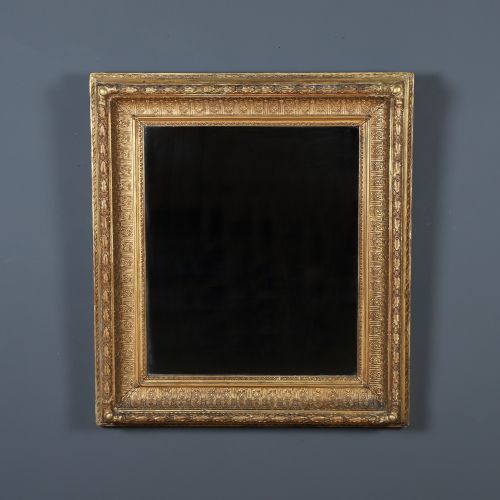
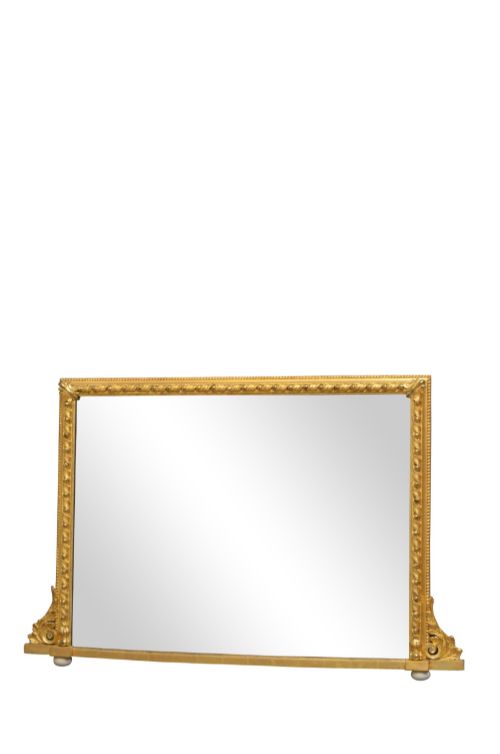
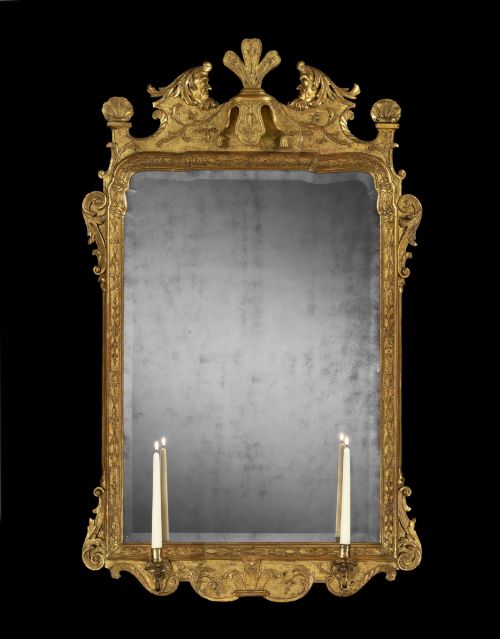
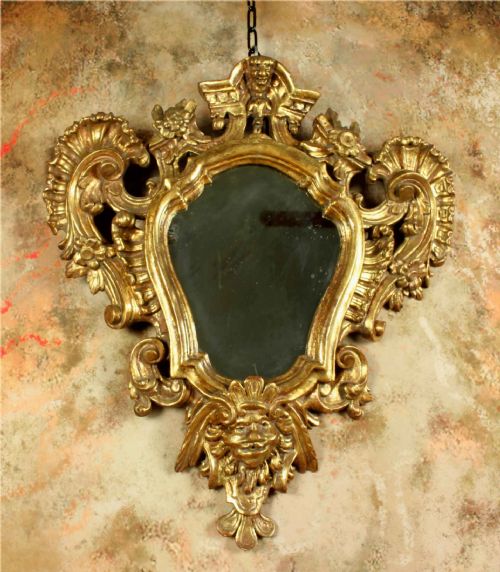

Period Gilt Wall Mirror
When you select a period gilt wall mirror, you are choosing a traditional reflective centrepiece defined by centuries of craftsmanship.
Period Gilt Wall Mirror
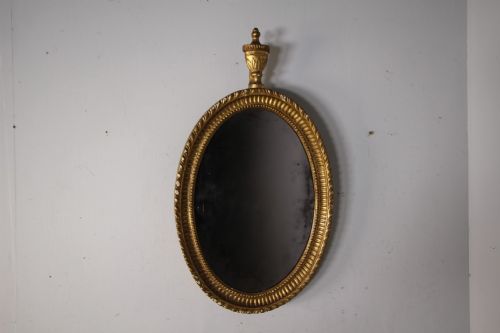
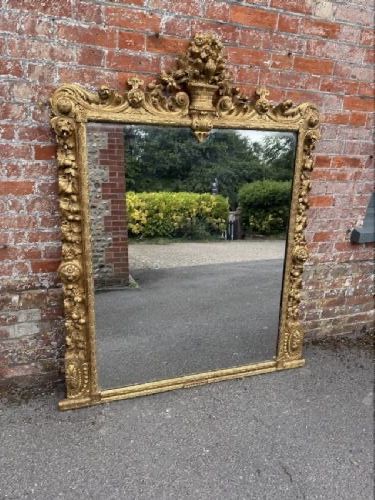
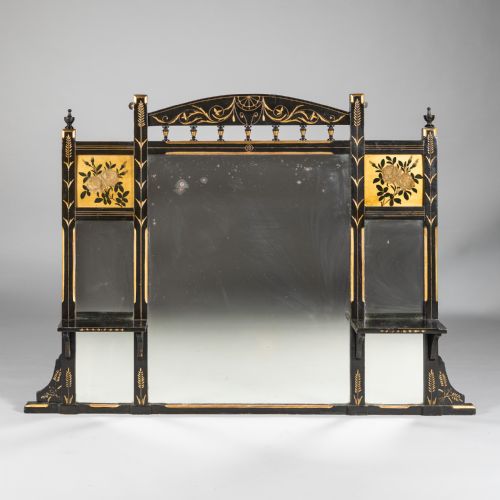
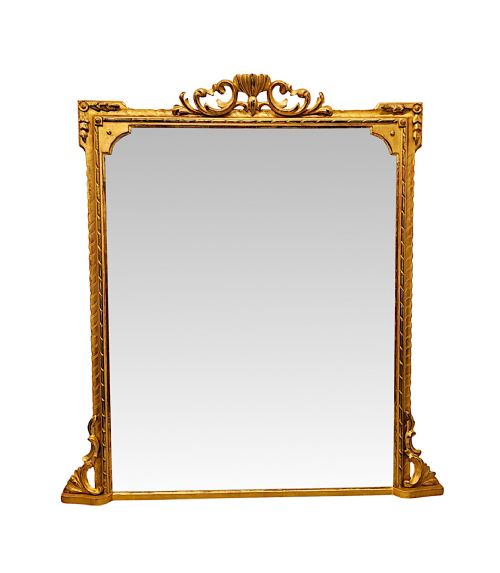
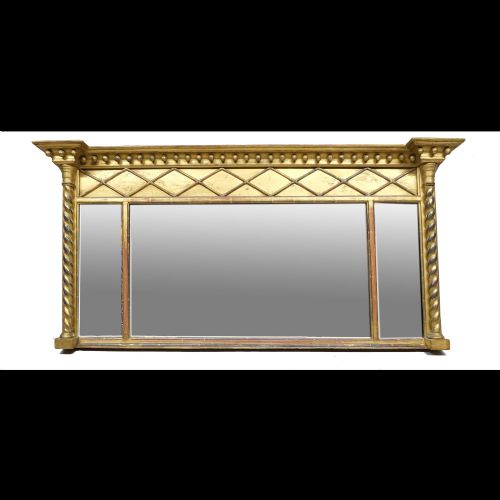
A period gilt wall mirror is a reflective hanging furnishing designed to bounce light around a room while serving as an ornamental focal point. When searching for a period gilt wall mirror, buyers encounter numerous variations spanning the Georgian, Regency and Victorian eras. These range from substantial architectural overmantels to smaller pier mirrors and circular convex looking glasses.
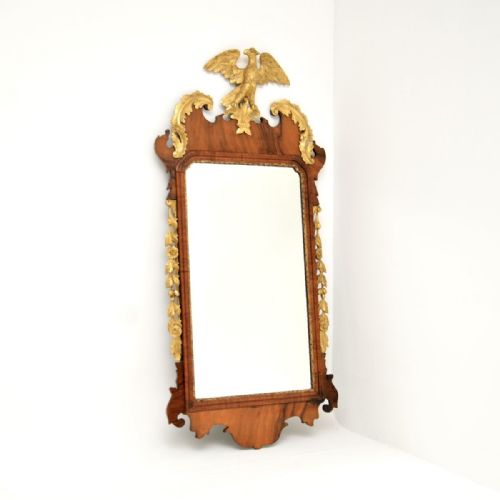
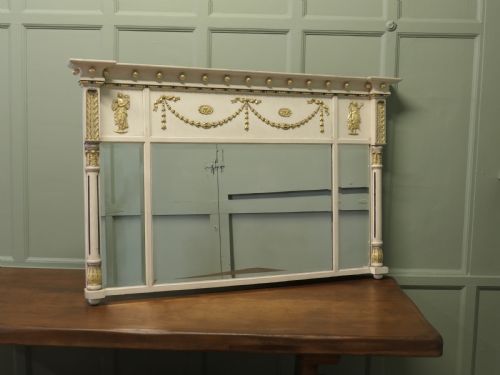
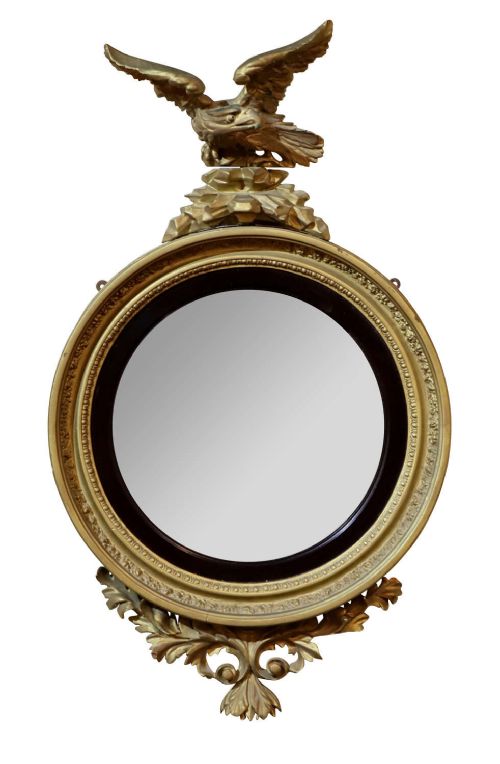
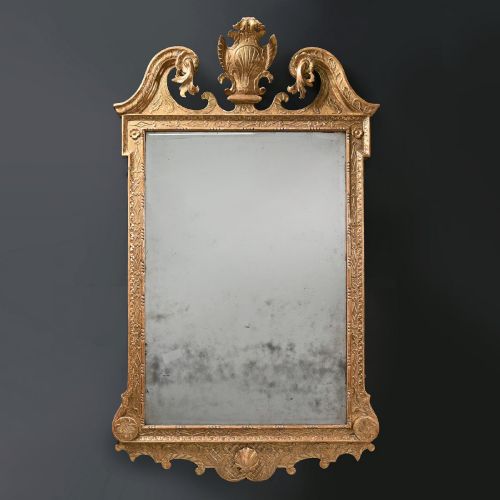
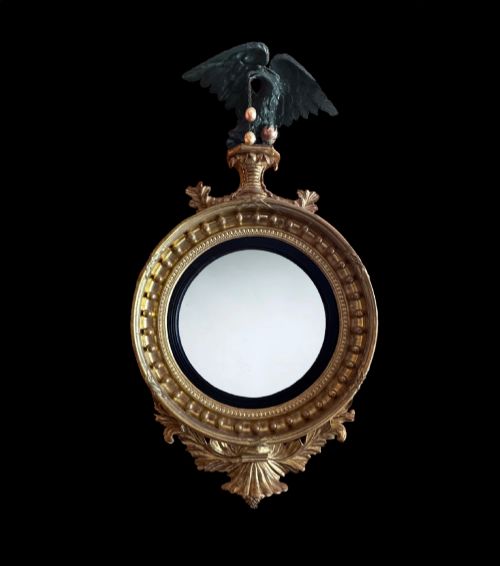
The assortment on this page includes 18th-century rococo fretwork designs, Regency convex glasses with eagle surmounts, and expansive Victorian giltwood overmantels. Formats vary from oval and rectangular plates to tripartite architectural frames intended for placement above fireplaces or console tables.
How they were made
The construction of these looking glasses relies heavily on carved timber frames built from woods such as mahogany, walnut, sycamore and ebonised timber. Artisans applied layers of gesso to the carved wooden base, smoothing the plaster compound before applying gold leaf or oil gilding by hand.
Mirror plates evolved from early mercury and silvered glass to later Victorian float glass, frequently displaying natural foxing and age spots. Frames often incorporated applied composition ornaments, cast brass details and intricate fretwork hand-cut from thin timber sheets.
Listings feature looking glasses spanning from the early 18th century through to the Edwardian period, utilising gesso, giltwood, mahogany and ebonised timber.
What varies in quality
Quality in these looking glasses is determined by the depth and sharpness of the hand carving beneath the gilding. Crisp execution in gesso enrichment separates superior examples from softer, mass-produced Victorian alternatives.
The preservation of the original mirror plate and the integrity of the original gilt surface dictate the desirability of a piece. Retaining untouched original backboards and unpolished gold leaf elevates an example within its period.
The Period Gilt Wall Mirror Glossary
- Gesso
- A plaster-like mixture applied to wood frames as a smooth base before gilding. This material allows artisans to carve intricate relief details.
- Convex mirror
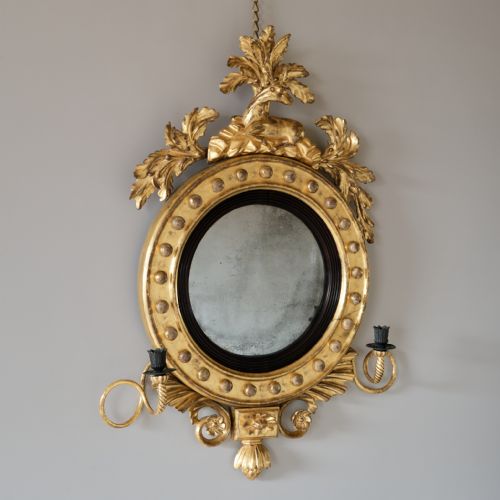
- A round looking glass featuring a curved, outward-protruding plate that offers a wide-angle reflection of the interior. These often include ebonised reeded inner rims and candle sconces.
- Overmantel mirror
- A wide horizontal looking glass designed specifically to hang above a fireplace mantelpiece. They frequently feature architectural pediments or shaped crestings.
- Foxing
- Small dark spots and discolouration within the glass plate caused by the degradation of the silvering backing over long periods. This chemical ageing process appeals to many collectors.
- Parcel-gilt
- A decorative treatment where only specific carved portions of a wooden frame are gilded while the underlying wood grain remains visible. Walnut and mahogany frames frequently utilise this technique.
Period Gilt Wall Mirror: Frequently Asked Questions
Where should I hang an overmantel mirror?
These large horizontal glasses belong directly above a fireplace mantelpiece, anchored securely to the wall to support their substantial weight.
Positioning them at this height reflects natural light from opposing windows across the entire living space.
How do I identify a Regency convex mirror?
Regency convex examples feature circular frames, often surmounted by carved eagles or topped with decorative scrolling foliage.
They house curved round glass plates and frequently incorporate black ebonised reeded inner slips designed to frame the reflection.
What is foxed glass?
Foxing refers to the natural speckling, clouding and dark spots that develop behind the glass over decades of oxidation.
Collectors prize original plates with light foxing as genuine markers of high age and authenticity.