
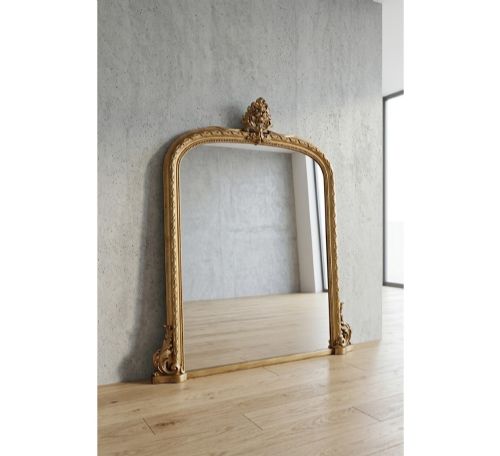
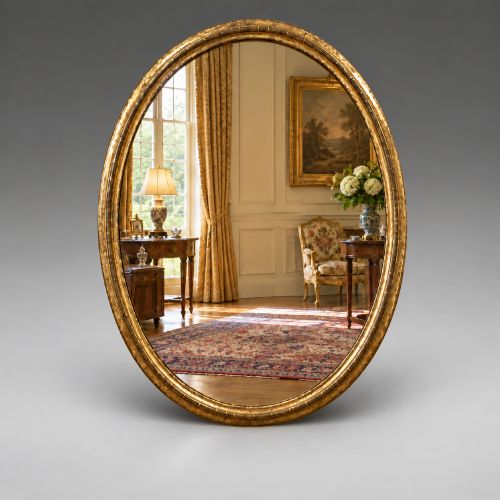
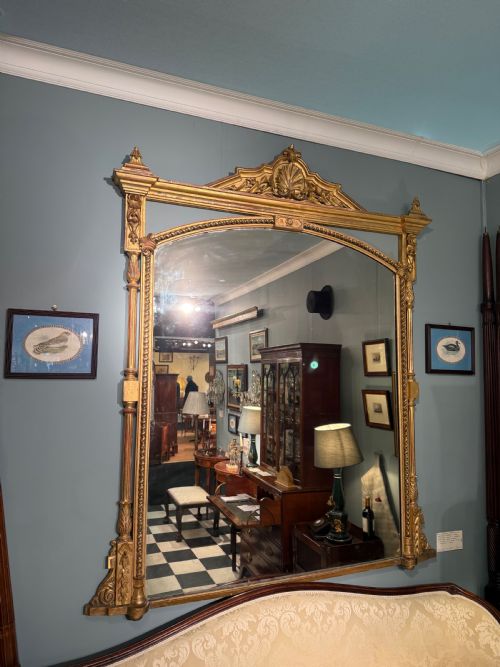
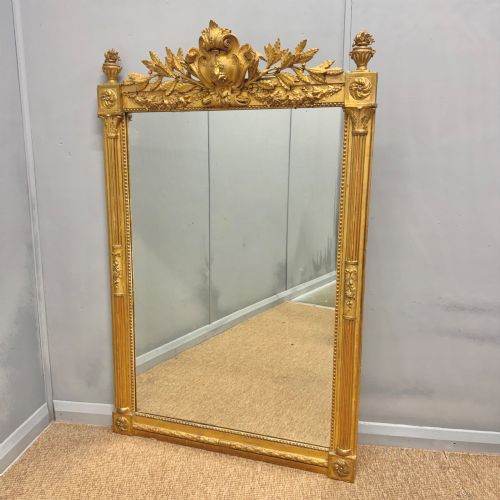
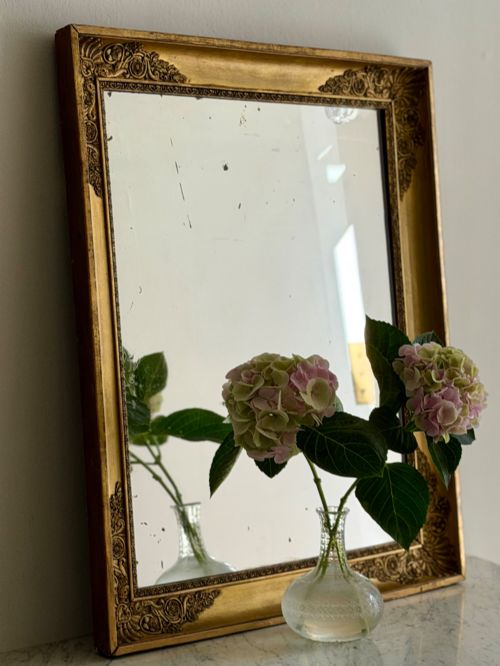
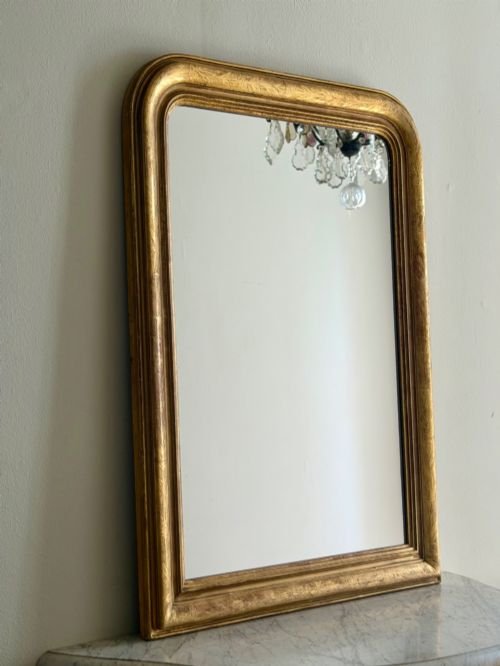
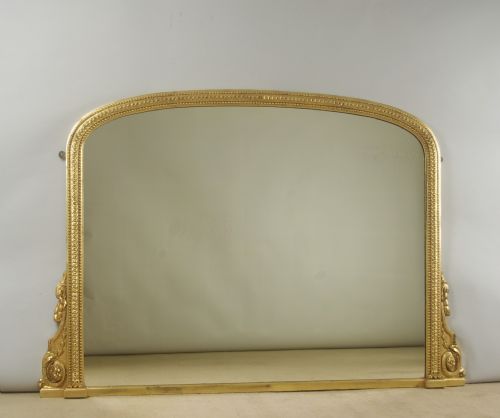
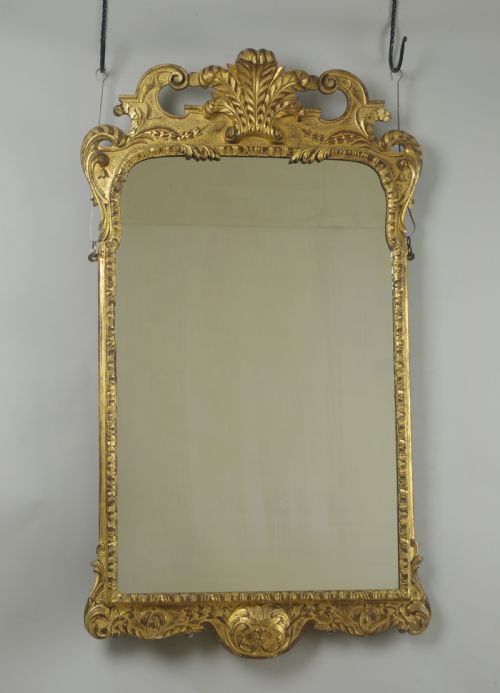
Gold Framed Overmantel
Gold framed overmantels bring architectural presence and brilliant reflection to a chimney breast, offering grand proportions designed to anchor a principal room.
Gold Framed Overmantel
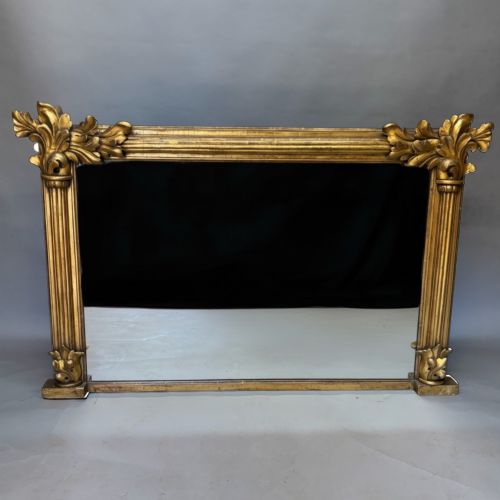
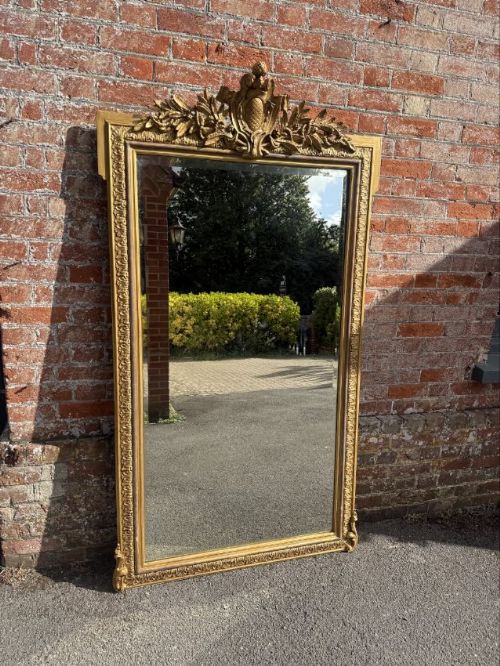
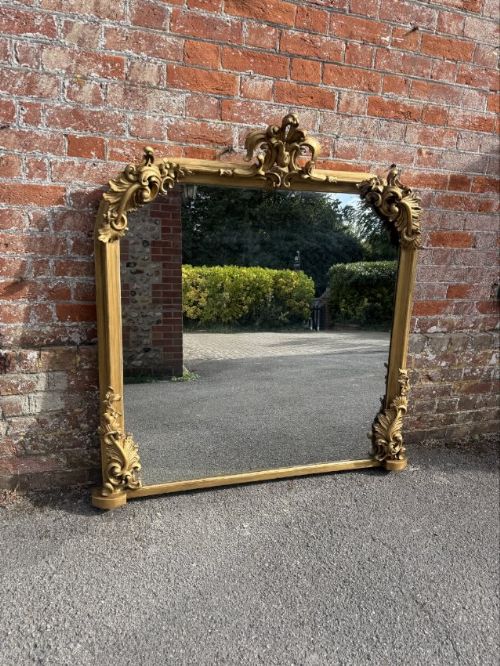
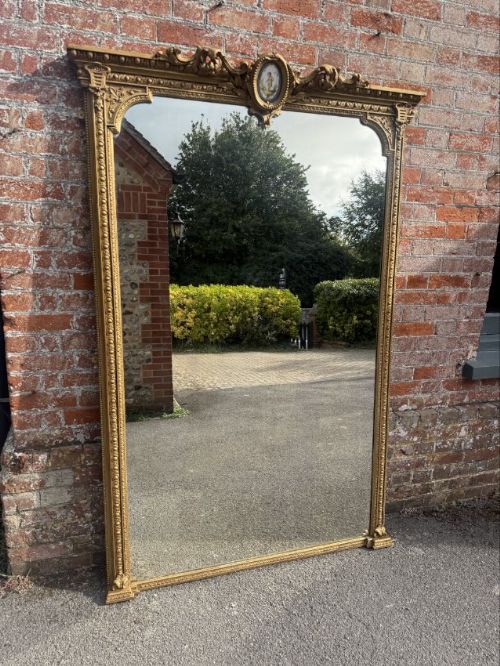
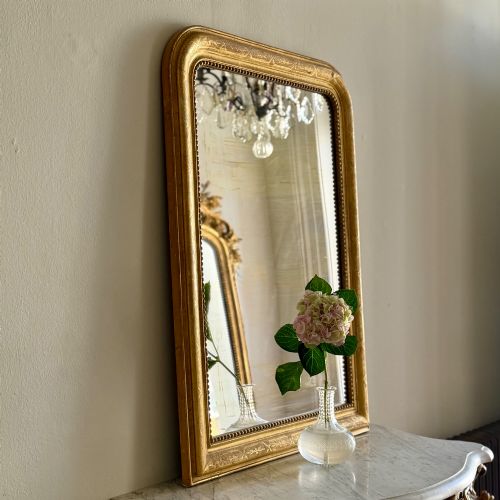
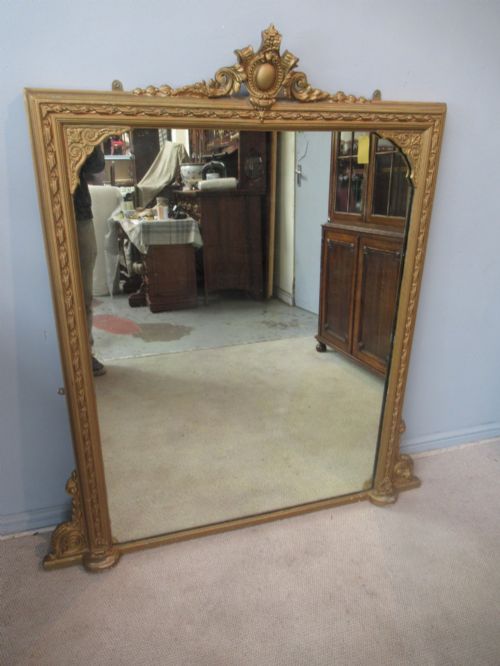
A gold framed overmantel is a large mirror specifically created to hang above a fireplace mantelpiece, serving as a primary focal point within a domestic interior. These pieces frequently manifest as expansive wall mirrors spanning the 19th century, drawing upon Regency, Victorian, and continental European design idioms.
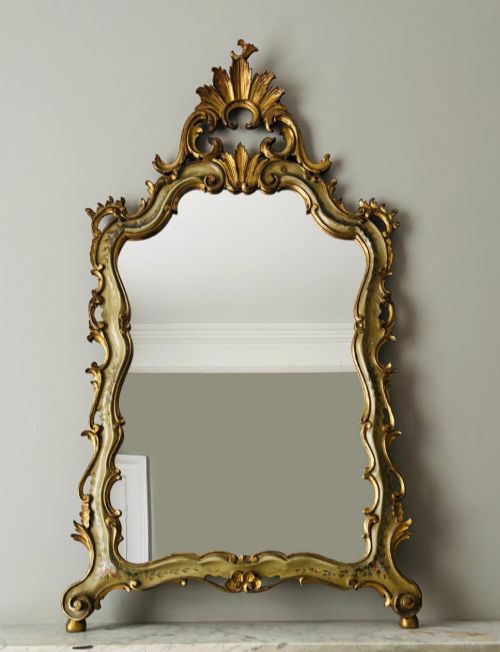
The selection on this page centres on substantial vertical and horizontal forms, including arched tops, shaped frames, and column-supported structures. Buyers encounter English and French origin pieces alongside Florentine and Rococo Revival variations that reflect the ornate tastes of their respective periods.
Materials and construction methods
Frames are constructed primarily from carved wood, often utilising timber foundations built to support heavy decorative schemes. Artisans applied layers of gesso to these wooden bases to build up smooth surfaces and intricate relief details before gilding.
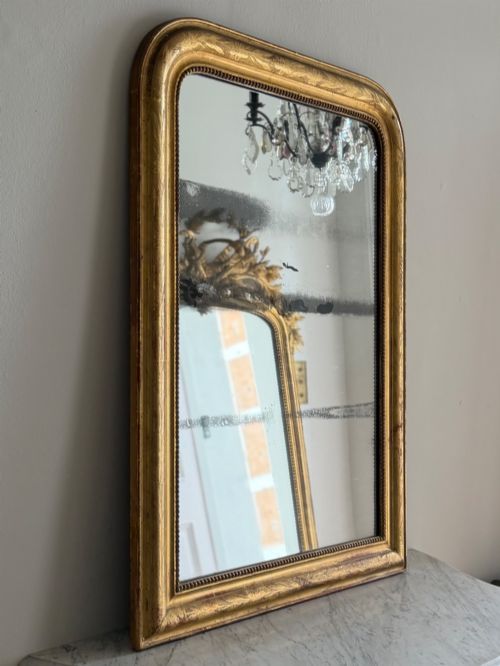
Gilding techniques involve the application of gold leaf or gilt finish over the gesso ground, creating a luminous metallic surface. Mirrors frequently incorporate antique plate glass, bevelled edges, or mercury glass featuring characteristic foxing from age.
Certain French wall mirrors include discreet olive green undertones beneath their gold leaf, offering a subtle nod to continental whimsy.
Assessing quality and craftsmanship
Quality separates along the depth and crispness of the hand-carved wood and gesso ornamentation. Superior examples display sharply defined acanthus leaves, floral motifs, or rope twists without the softening loss of detail often seen in lesser composition mouldings.
The integrity of the original gilding and the character of the mirror plate itself determine the standing of a piece. Original antique glass retaining natural oxidation and heavy, solid timber frame construction distinguish the most accomplished items.
The Gold Framed Overmantel Glossary
- Overmantel
- A large mirror designed specifically to be hung on the wall immediately above a fireplace mantel. These pieces were proportioned to balance the width of the hearth below.
- Gesso
- A plaster-like mixture applied to wood frames and carved to create raised decorative motifs before gilding. It provides the smooth, receptive base necessary for gold leaf adhesion.
- Giltwood
- Timber that has been coated with gold leaf or a gold-coloured finish. This material defines the luxurious aesthetic characteristic of period display mirrors.
- Mercury glass
- Early mirror glass produced by backing the glass pane with a tin and mercury amalgam. This technique produces a distinctive, mottled reflection known as foxing.
- Pier glass
- A tall mirror designed to hang on the wall space between two windows. These vertical glasses often matched the scale of adjacent room architecture.
Gold Framed Overmantel: Frequently Asked Questions
Where should an overmantel mirror be hung?
These mirrors are traditionally positioned centrally on the wall directly above a fireplace mantelpiece, where their scale reflects light and fills the vertical space.
They can also be rested on top of the mantel shelf as leaner mirrors, secured safely to the wall to prevent tipping.
How do I identify a 19th-century overmantel?
Nineteenth-century examples are typically identified through construction characteristics such as heavy timber backing, hand-applied gesso ornamentation, and traditional joinery methods.
Stylistic cues like Victorian acanthus carvings, Regency columns, or Rococo Revival curves also point directly to this era.
What is foxing on a mirror plate?
Foxing refers to the dark spots, speckles, and mottled patches that develop on antique mirror glass over long periods of time.
This natural oxidation occurs as air interacts with the silvering or mercury backing behind the glass, serving as an indicator of age.
Are these mirrors heavy to hang?
These pieces possess substantial weight due to their dense timber frames, thick gesso decoration, and large glass plates.
Professional installation into solid wall studs or masonry using heavy-duty brackets is necessary to support their considerable load safely.