


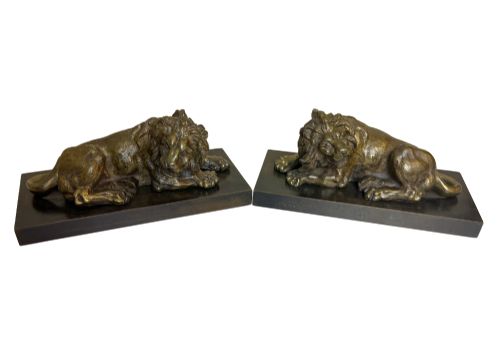
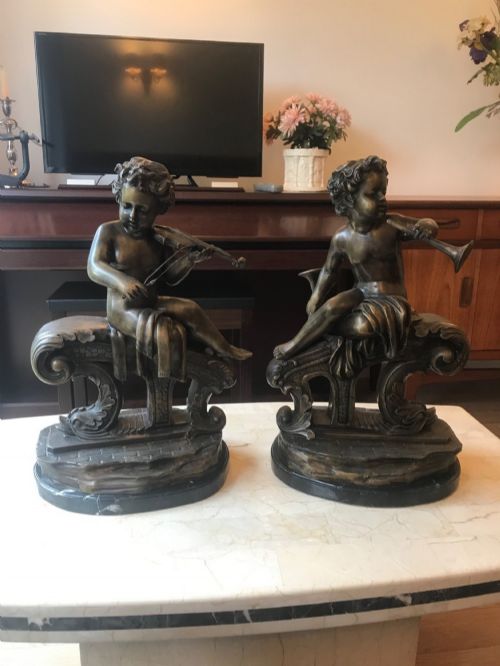
Patinated Metal Statue
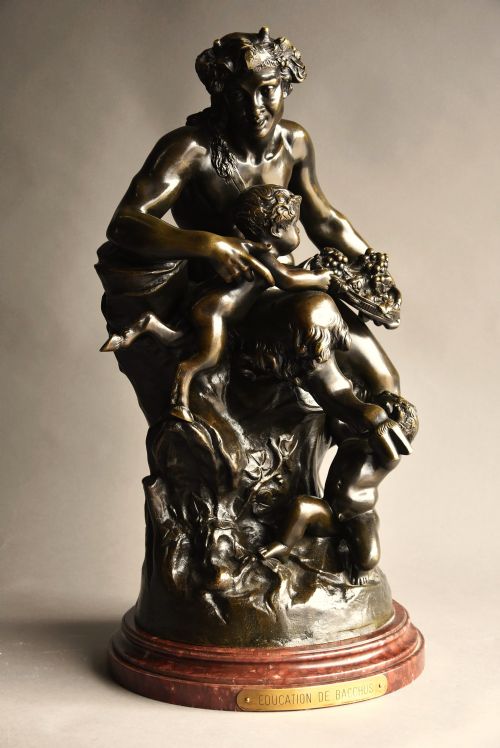
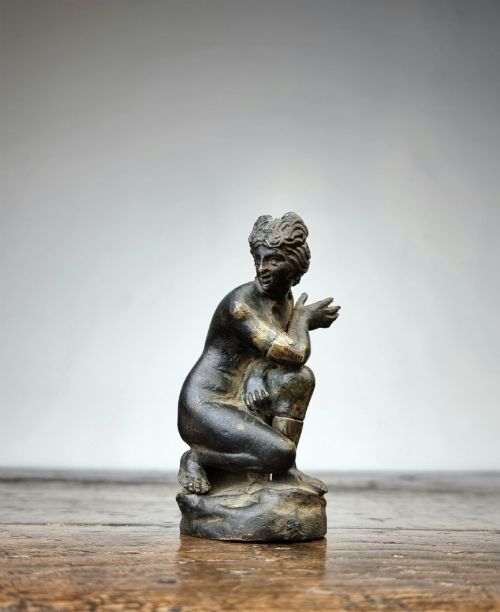
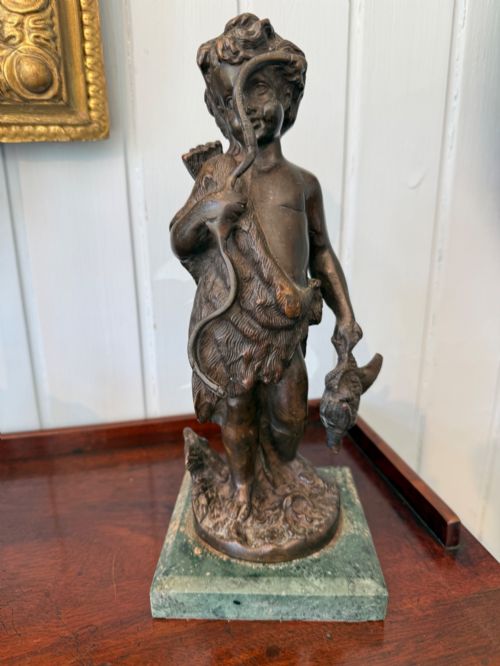
A patinated metal statue captures figures, animals and classical subjects through treated surfaces shaped across multiple centuries.
Patinated Metal Statue
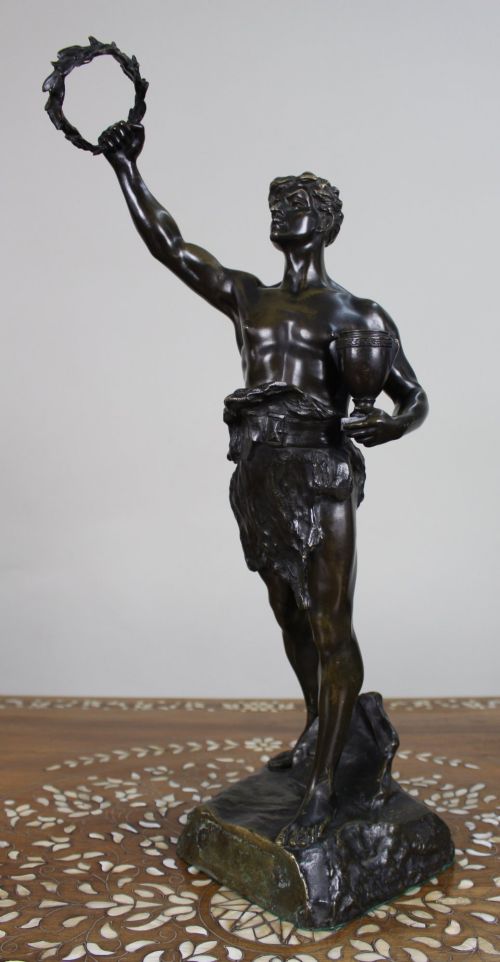
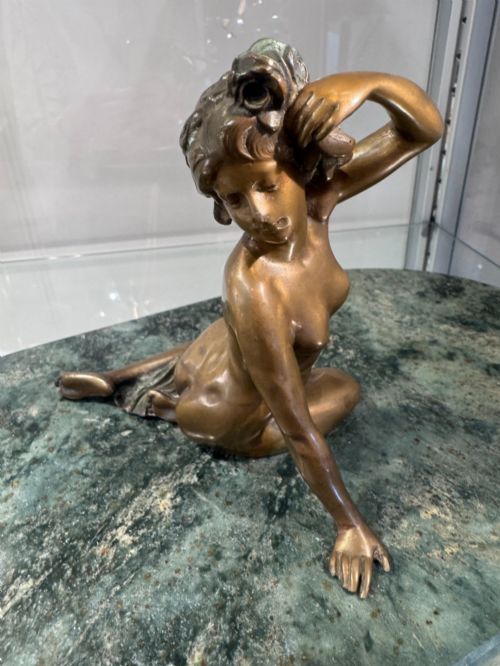
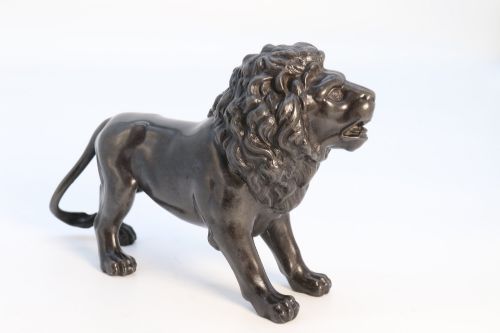
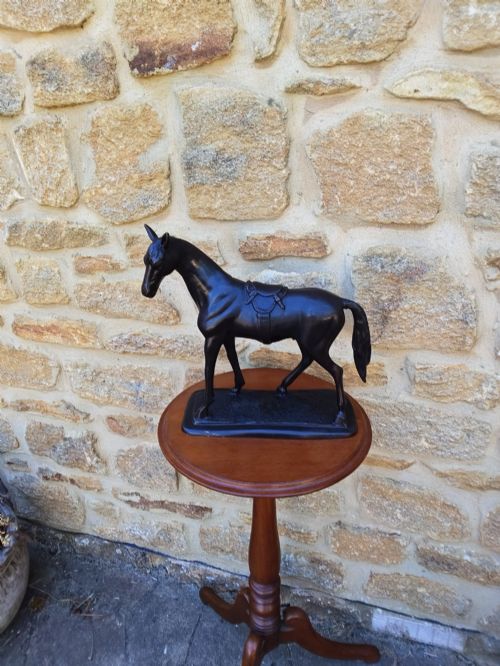
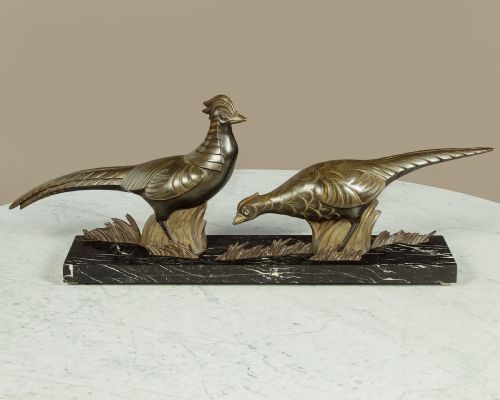
When you search for a patinated metal statue, you encounter sculptural works shaped from materials like bronze, brass, spelter, iron and pewter. The selection spans animals, classical figures, human busts and decorative table lamps created across the nineteenth and twentieth centuries.
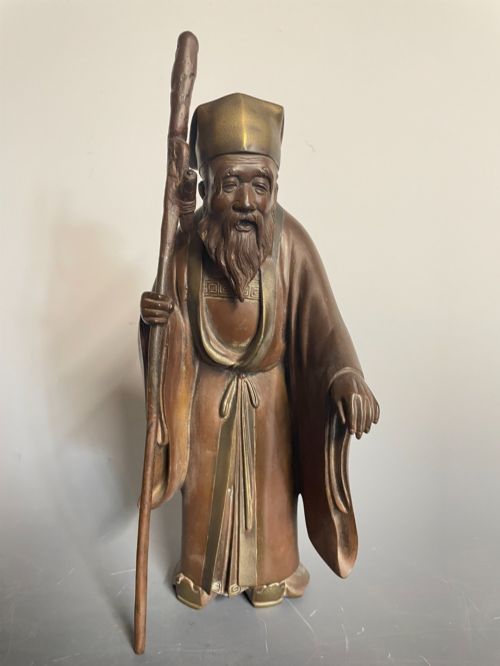
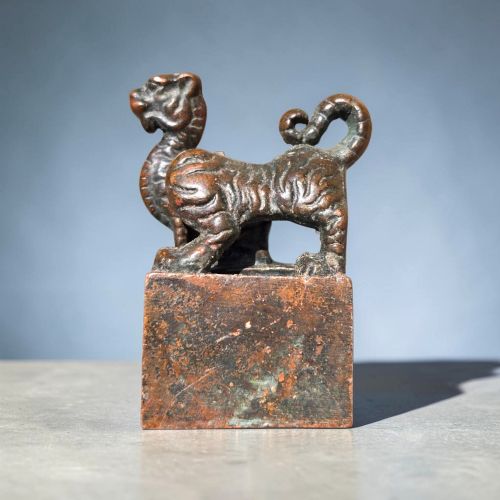
You will frequently meet French and Japanese examples among these listings, alongside pieces rooted in Art Deco and Art Nouveau styles. The objects range from small scholar's seals and okimono to substantial figures mounted on marble and onyx bases.
How they were made
Makers shaped these sculptures primarily through casting techniques in bronze, brass or spelter, sometimes applying chemical treatments or paint to create the characteristic surface patination. Workshops frequently combined metal figures with heavy stone bases made of marble or onyx.
Artists often signed their finished casts or marked them with foundry stamps, while others produced utilitarian pieces such as candlesticks, bookends and lamps that integrated figural casting with functional design.
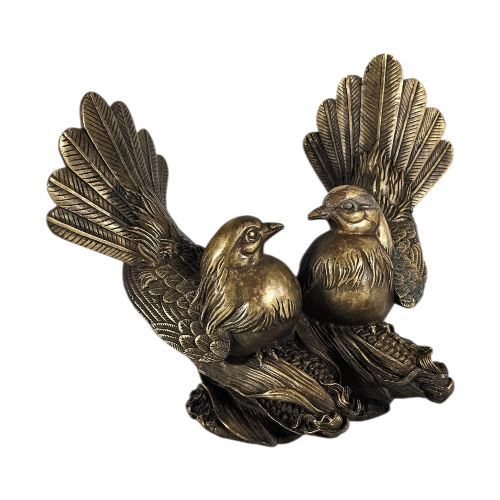
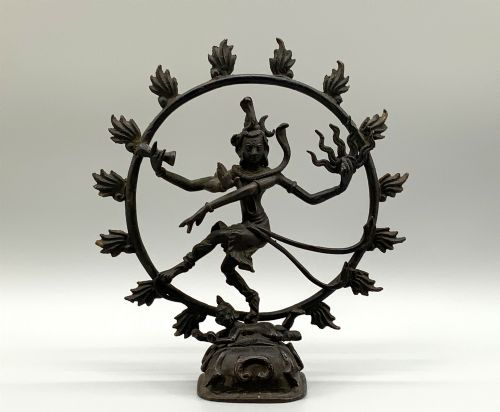
Keep an eye out for cast rhinoceros beetles and pigeons sharing shelf space with classical dancers and menacing panthers.
What varies in quality
The depth and preservation of the applied patina, alongside the quality of mounting materials like polished marble bases, mark the distinction between standard decorative items and artist-signed sculptures.
Josef Lorenzl·Emile Carlier·Unno Shomin·Christophe Fratin·Jean Jules Salmson
The Patinated Metal Statue Glossary
- Patination
- The chemical or natural alteration of a metal surface over time, creating distinctive coloration and tone. This process protects the underlying material while enhancing visual depth.
- Spelter
- A zinc alloy commonly utilised as a less expensive alternative to bronze for nineteenth-century figures and decorative objects. It often received a bronze-coloured finish to mimic more costly metalwork.
- Animalier
- A nineteenth-century artistic style focusing on the realistic depiction of animals in action or repose. Sculptors working in this manner studied anatomy closely.
- Okimono
- A Japanese ornamental carving or casting intended for display on a shelf or in a tokonoma alcove. These pieces often depict nature, animals or folklore with minute precision.
- Lost-wax casting
- A traditional method where a model is encased in mould material, melted out, and replaced with molten metal. This technique allows for intricate and highly detailed sculptural results.
Patinated Metal Statue: Frequently Asked Questions
How do I clean a metal statue?
Dust the surface gently with a soft, dry brush to prevent the accumulation of dirt within the crevices. Avoid using water, soap or chemical polishes, as these substances can strip away the original patination.
For most antique metal sculptures, minimal handling and stable indoor humidity provide the best preservation. Consult a professional conservator if the surface requires deeper cleaning or stabilisation.
What is patination on metal?
Patination refers to the surface coloration that develops naturally through age or is applied artificially by an artist using chemicals and heat. This layer alters the metallic sheen and gives the sculpture its characteristic tone.
Different treatments produce varied hues ranging from deep brown and green to near black. The presence of a stable, intact patina contributes significantly to the character of an antique piece.
Are spelter and bronze different?
Bronze is a robust alloy composed primarily of copper and tin, valued for its strength and ability to hold fine detail during casting. Spelter is a softer, zinc-based alloy that served as an affordable substitute for bronze in decorative figures.
Statues made from spelter are generally lighter and more prone to surface wear than their bronze counterparts. Magnets and weight distribution often help distinguish the two materials.
Where were these statues displayed?
Sculptures and figural metalwork appeared widely in nineteenth and early twentieth-century interiors as mantelpiece ornaments, desk accessories and library decorations. Larger groups and figures stood upon pedestals or dedicated tables in formal reception rooms.
Smaller items such as okimono or seals occupied scholar's desks and display cabinets. Functional pieces like lamps and bookends integrated art directly into daily living spaces.