
Pair Porcelain Decorative Urns
Pair porcelain decorative urns bring symmetry and presence to a room, functioning as striking ornamental centerpieces.
Pair Porcelain Decorative Urns
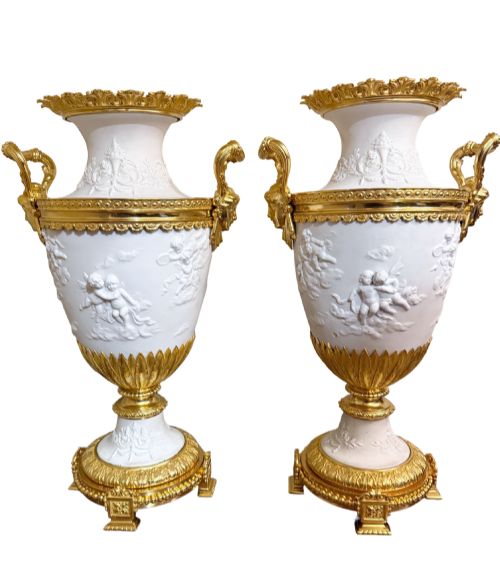
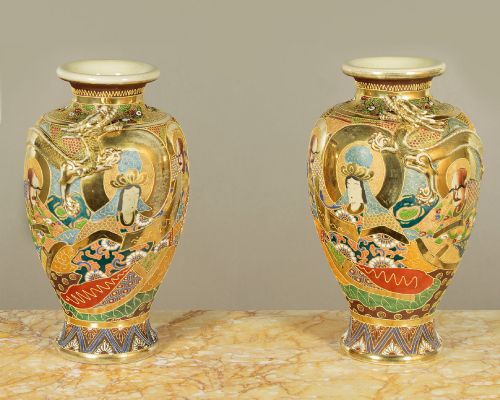
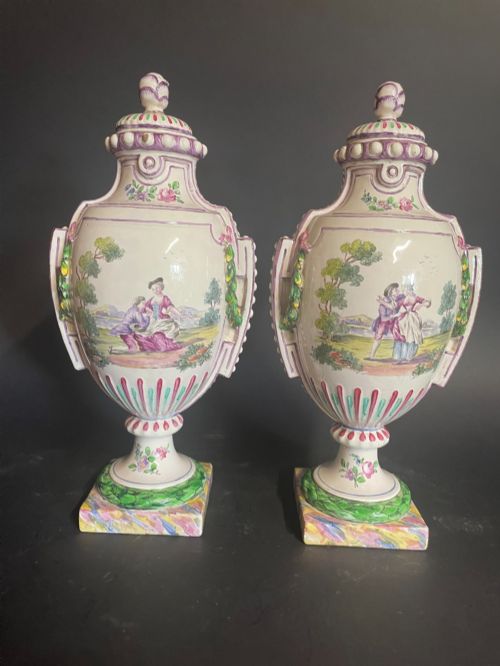
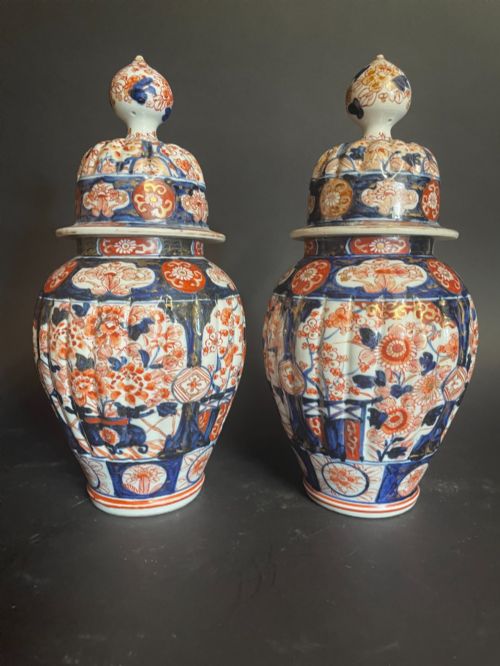
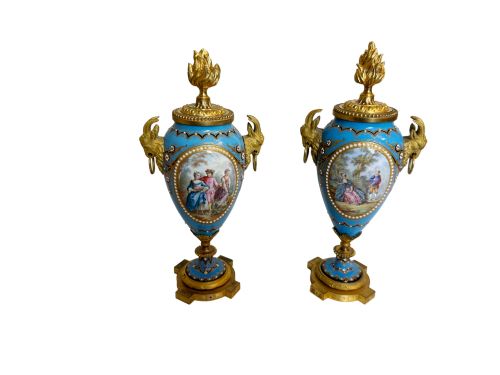
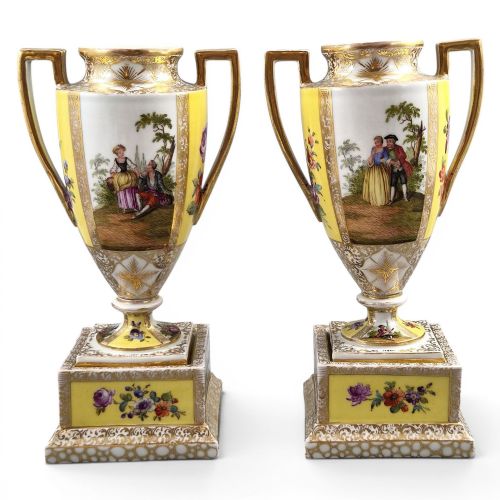
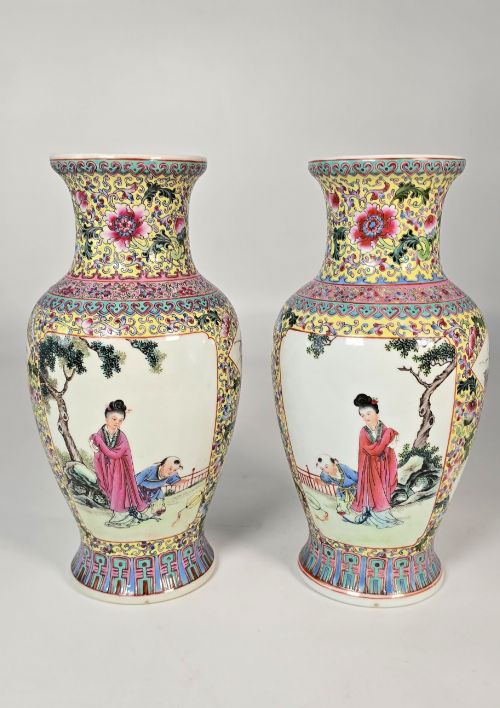
Pair porcelain decorative urns appear primarily across the nineteenth and early twentieth centuries, drawing on styles from French neoclassical and rococo revival to Japanese Meiji periods. Buyers encounter forms ranging from campana urns and baluster vases to lidded jars and cassolettes.
Makers from various European factories and Japanese workshops produced these symmetrical pairs for domestic display on mantelpieces, pedestals, and tables. The selection encompasses earthenware, ironstone, and ceramic bodies alongside traditional porcelain.
How they were made
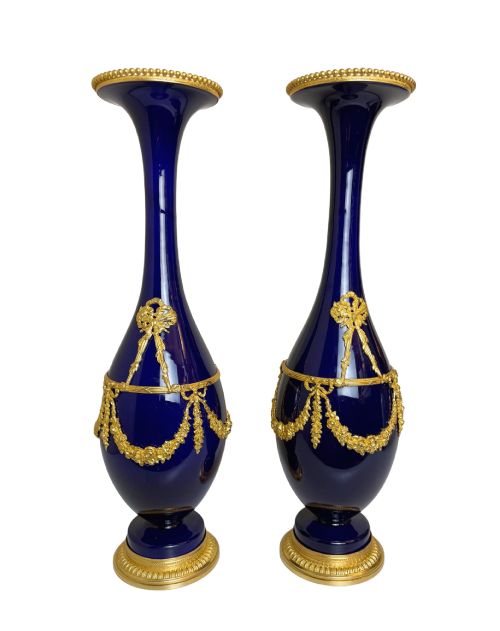
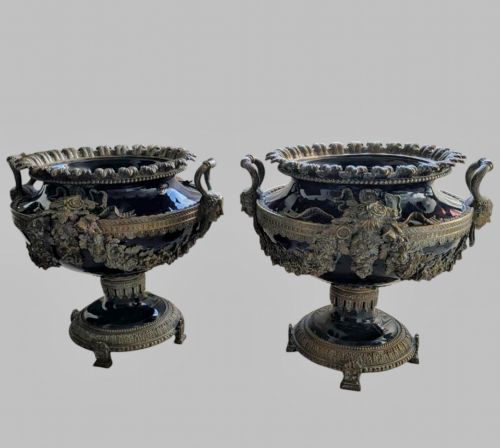
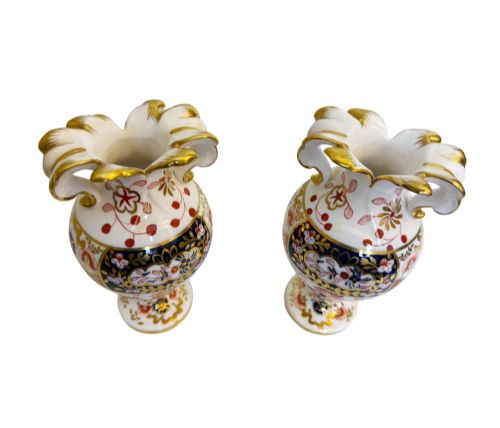
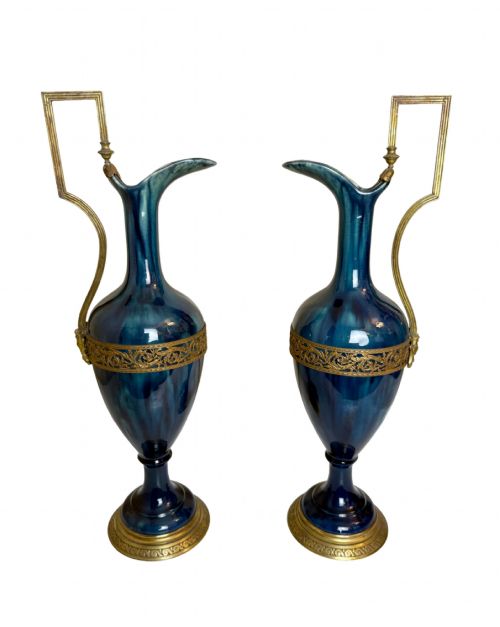
Potters shaped the ceramic and porcelain bodies on wheels or in moulds before applying glazes, enamels, and hand-painted motifs. Many examples integrate gilt bronze mounts, gold leaf, or gilding to accent the handles, rims, and bases.
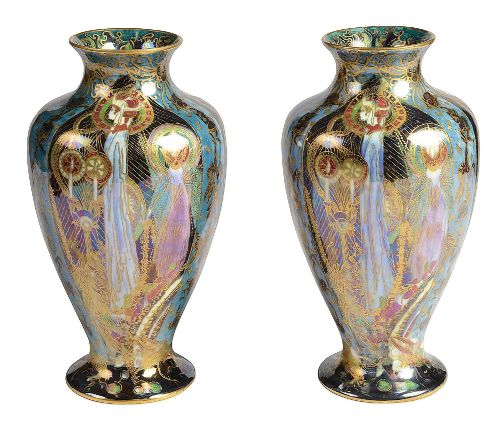
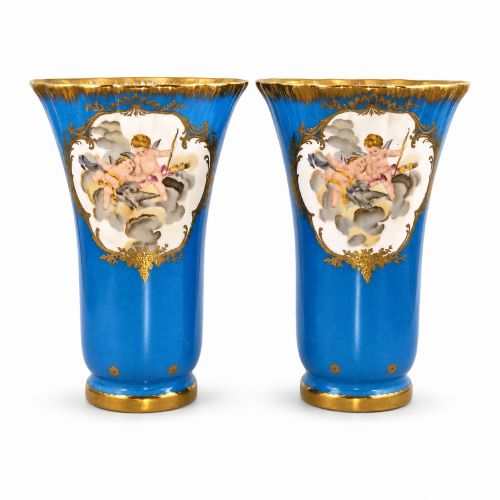
Specific techniques involve transfer printing, hand-applied bas-reliefs, and intricate polychrome decoration. Workshops utilised specialised kilns to achieve distinctive finishes such as blush ivory, fairyland lustre, and cobalt blue glazes.
Dolphin handles occasionally swim up the sides of blush ivory vases, proving that Victorian table ornaments had a sense of humour.
What varies in quality
Quality rests in the crispness of the modelling and the precision of the hand-painting, where finer examples display delicate brushwork and rich, unblemished gilding. The integration of metal mounts, such as cast gilt bronze trim, distinguishes standard production from more ambitious decorative works.
The sophistication of the palette and the depth of the glaze also set superior pieces apart. Objects bearing legible factory marks or artist signatures demonstrate higher workshop standards.
Daisy Makeig Jones·Manpei Kobe·Helena Wolfsohn·Hicks and Meigh·Royal Worcester
The Pair Porcelain Decorative Urns Glossary
- Campana
- An inverted bell-shaped vessel with a flared rim and a footed base, frequently utilised for classical urns.
- Cassolette
- A decorative vessel shaped like an urn, designed with a reversible lid that can function as a burner or a vase.
- Baluster
- A tall vase form characterised by a rounded body that tapers toward the base, resembling an architectural pillar.
- Imari
- A traditional Japanese porcelain style featuring rich underglaze blue and iron red highlights, often augmented with gold.
- Satsuma
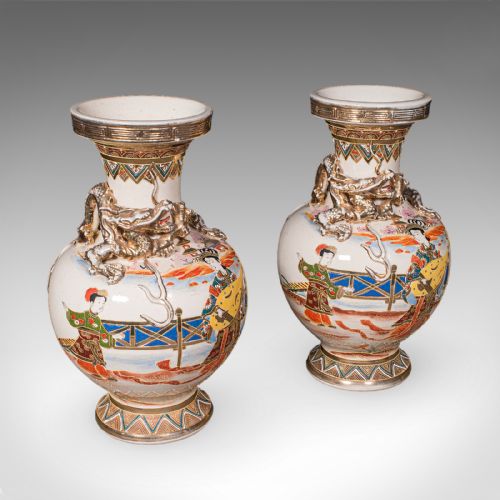
- An earthenware pottery type from Japan with a crackle glaze, typically decorated with intricate polychrome and gilt designs.
Pair Porcelain Decorative Urns: Frequently Asked Questions
What distinguishes an urn from a vase?
Urns typically feature a footed base, a distinct stem, and a body designed for ornamental display rather than holding cut flowers. Many examples include integrated handles or dedicated covers.
Vases often display simpler vertical profiles focused on aperture and vessel depth. However, makers frequently blurred these definitions in nineteenth-century nomenclature.
How were these urns used historically?
Pairs of decorative urns served as mantelpiece garnitures, symmetrical focal points on side tables, or architectural accents on pedestals. They demonstrated household refinement and taste.
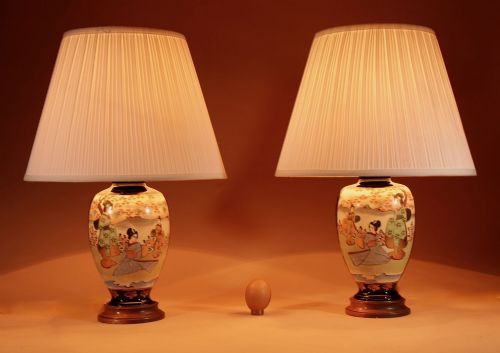
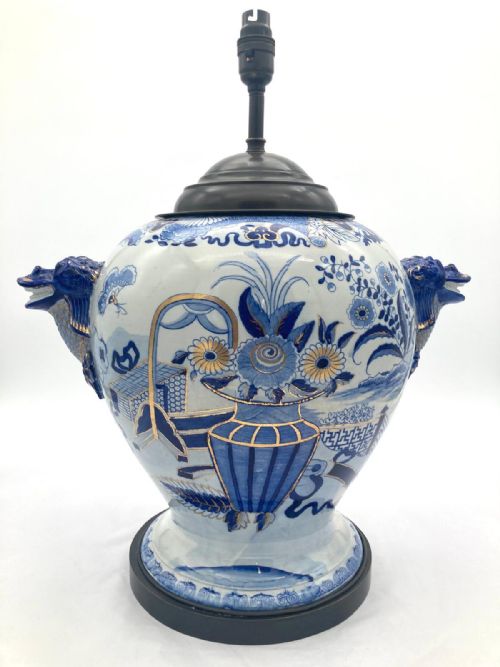
Later examples were occasionally converted into table lamps while retaining their decorative ceramic bodies. Their balanced forms provided visual equilibrium to formal rooms.
How do I care for antique porcelain urns?
Dust these decorative pieces gently with a dry, soft brush to protect delicate surface gilding and enamel work. Avoid liquid cleaners that might penetrate unglazed areas or historic repairs.
Keep them away from direct sunlight to prevent the fading of hand-painted polychrome pigments. Secure metal mounts periodically if the vessel is handled or moved.