

Pair French Porcelain Urns
Pair french porcelain urns bring classical elegance and decorative distinction to interiors, uniting fine ceramic bodies with ornate metal mounts.
Pair French Porcelain Urns
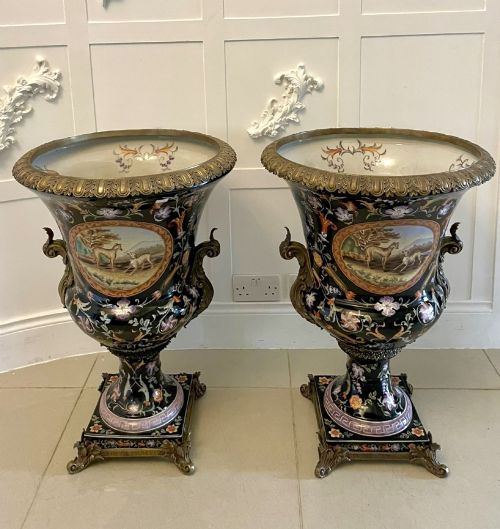
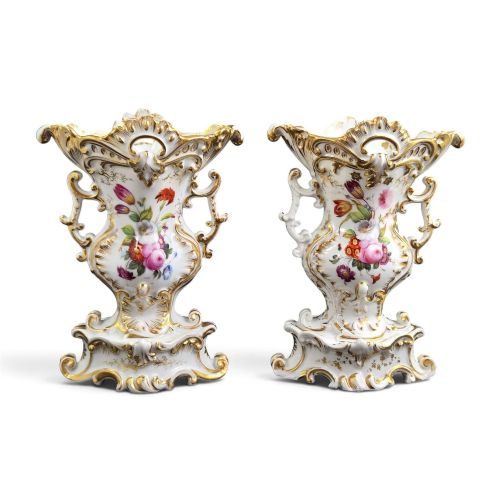
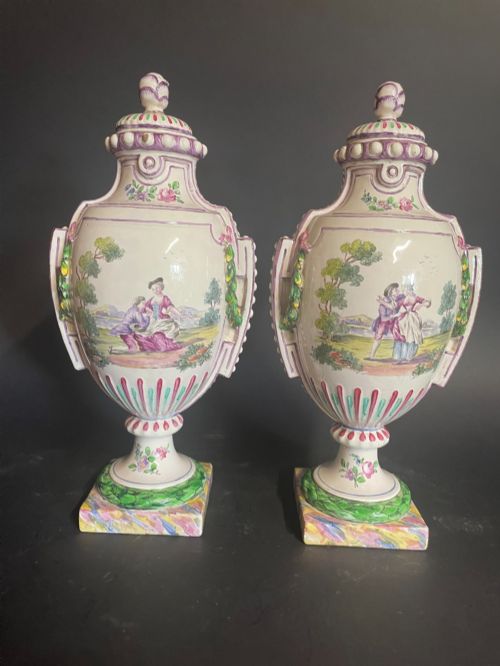
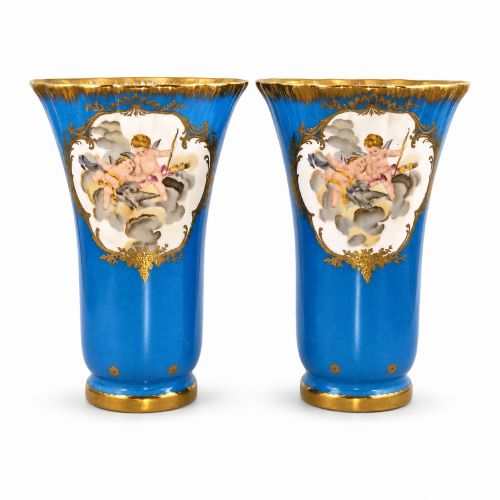
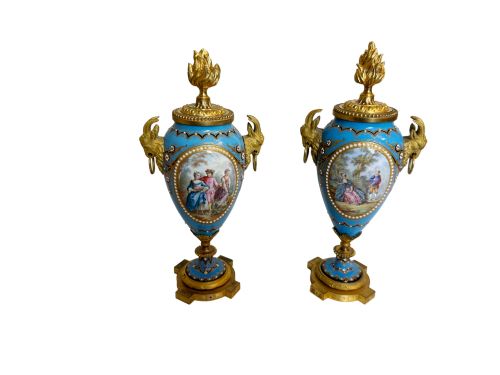
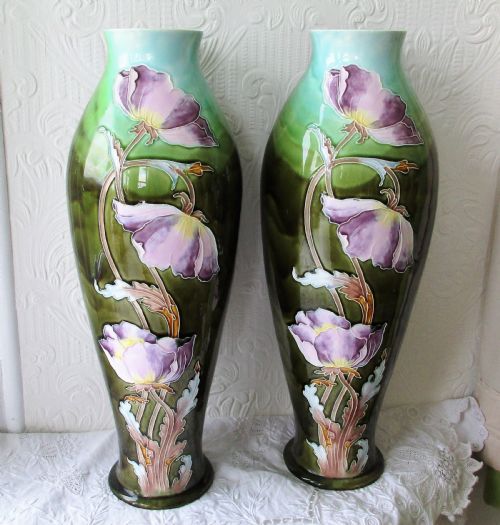
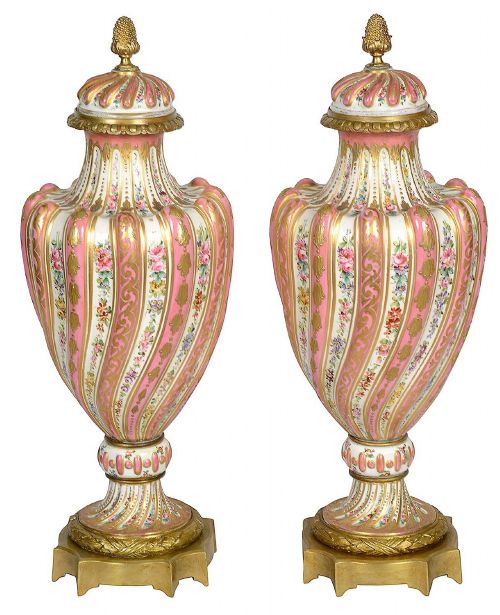
When you search for pair french porcelain urns, you encounter decorative vessels shaped as lidded urns, vases, jardinières, and cassolettes created across the nineteenth century. These objects frequently display stylistic influences from the Sevres factory, incorporating hand-painted scenes, floral motifs, and rich blue or pink colour glazes.
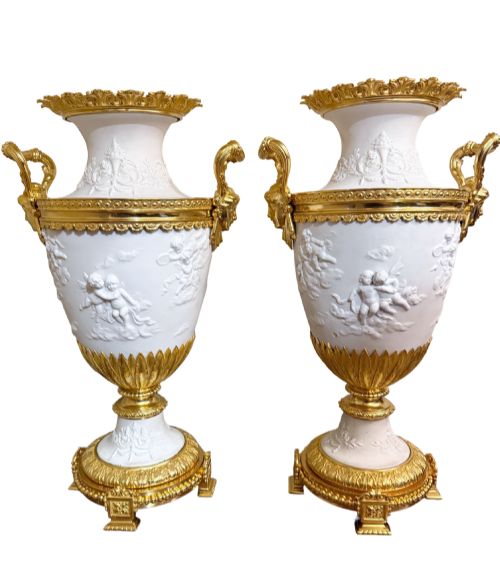
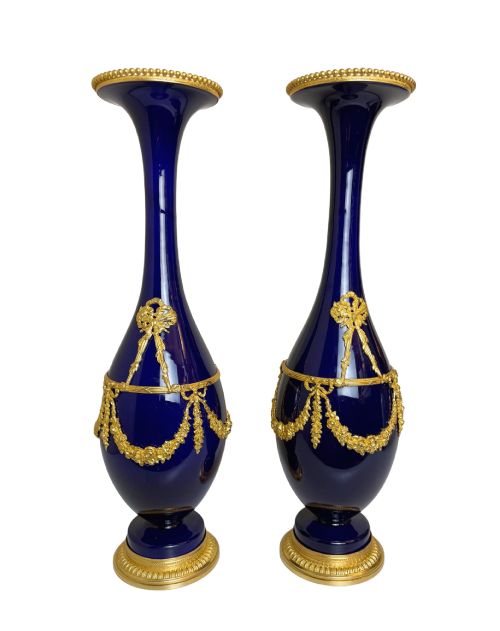
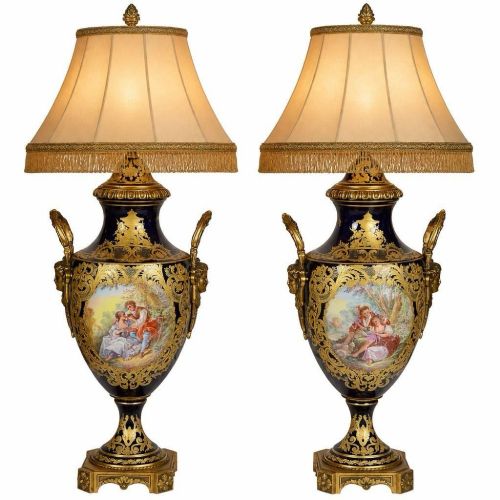
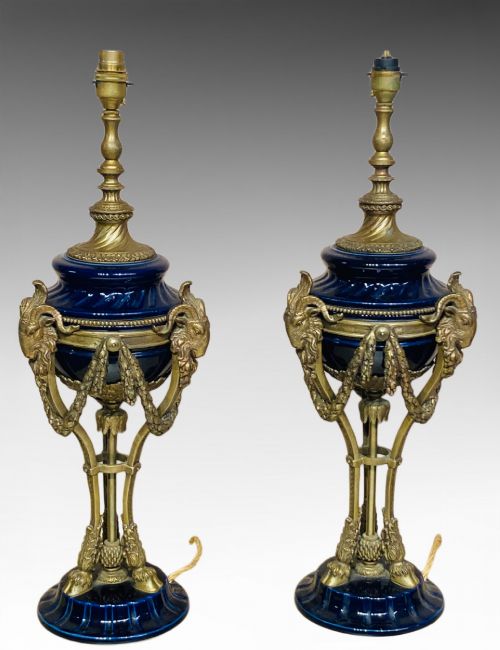
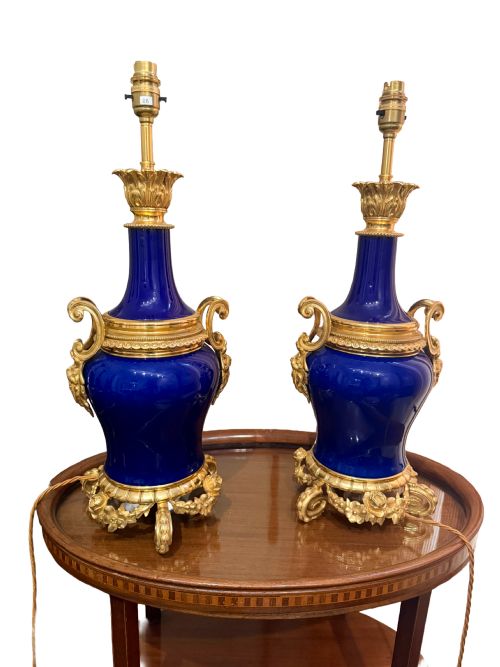
The version most commonly met on this page is the nineteenth-century Sevres style lidded vase fitted with gilt bronze or ormolu mounts. Such pieces balance ceramic bodies with cast metal trim, often appearing in monumental proportions or as adapted table lamps.
How they were made
Ceramic bodies are shaped from porcelain or faience, then glazed in colours such as turquoise, cobalt blue, pink, and white before undergoing hand-painting with floral designs or figurative scenes. Artisans frequently added raised white enamel to enrich the surface decoration of the pottery.
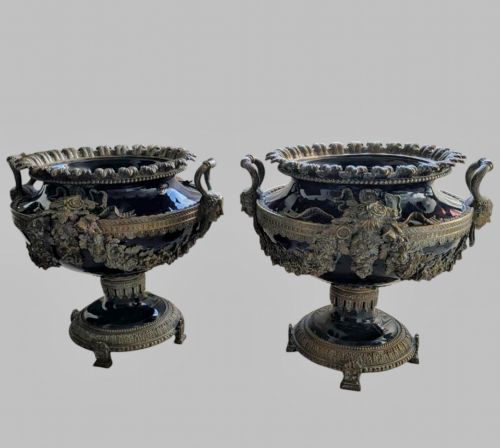
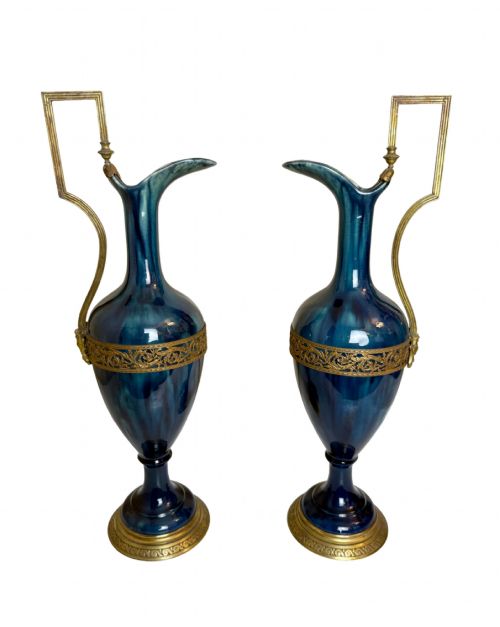
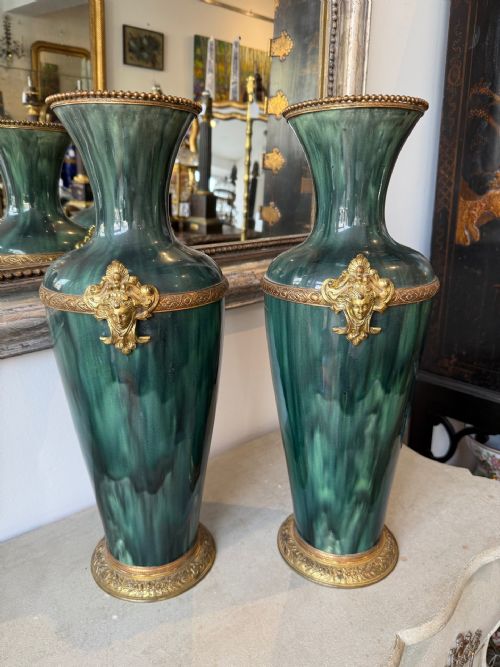
Metal components utilise brass, gilt bronze, and ormolu to provide structural mounts, handles, and bases. These gilt metal elements are cast and applied to secure the ceramic vessels and elevate their decorative presence.
Certain lidded urns double as cassolettes, designed to sweeten the air with hidden compartments for fragrant nineteenth-century potpourri.
What varies in quality
The refinement of the hand-painted scenes and the precision of the ceramic glazing distinguish finer examples from standard production. Superior execution appears in detailed figural work, delicate floral painting, and deeply saturated background colours such as bleu céleste.
The weight, crispness, and finishing of the gilt bronze or ormolu mounts separate exceptional pieces from simpler utilitarian items. Solid, finely chased metalwork complements the porcelain body with harmonious proportions and secure assembly.
Jacob Petit·Samson Paris
The Pair French Porcelain Urns Glossary
- Ormolu
- Gilded bronze mounts applied to furniture, clocks, and ceramic vessels. This technique uses a mercury amalgamation process to bind gold leaf to cast bronze.
- Sevres style
- A decorative manner imitating the soft-paste and hard-paste porcelains produced by the royal French manufactory. These pieces often feature rich coloured grounds and hand-painted panels.
- Cassolette
- A decorative vessel shaped like an urn, designed to hold perfumes or serve as an interchangeable vase and burner. They frequently feature reversible lids.
- Jardiniere
- A decorative container or stand intended to hold plants or floral arrangements. They appear in ceramic, faience, and porcelain with metal mounts.
- Faience
- Tin-glazed earthenware produced in France and other European regions. This ceramic technique predates hard-paste porcelain and offers an opaque white background for painted decoration.
Pair French Porcelain Urns: Frequently Asked Questions
What periods do these urns come from?
The pieces available primarily originate from the nineteenth century, encompassing dates from the eighteen-forties through the early nineteen-hundreds. Specific production years frequently align with the Regency and Napoleon III eras.
Later adaptations into table lamps extend into the mid-twentieth century while retaining their nineteenth-century aesthetic foundations.
How were these decorative urns used?
Original domestic deployment centred on formal interior display upon mantelpieces, console tables, and pedestals within period salons. Certain lidded versions functioned as cassolettes for diffusing scents or containing potpourri.
Many examples have subsequently been converted into electrified table lamps for contemporary living spaces.
What is the difference between porcelain and faience?
Porcelain provides a hard, vitreous, and translucent ceramic body derived from kaolin clay fired at high temperatures. It forms the smooth white base for hand-painted Sevres style decoration.
Faience utilises tin-glazed earthenware, creating an opaque, porous body typical of earlier or regional French decorative traditions.