
Pair Painted Porcelain Vases
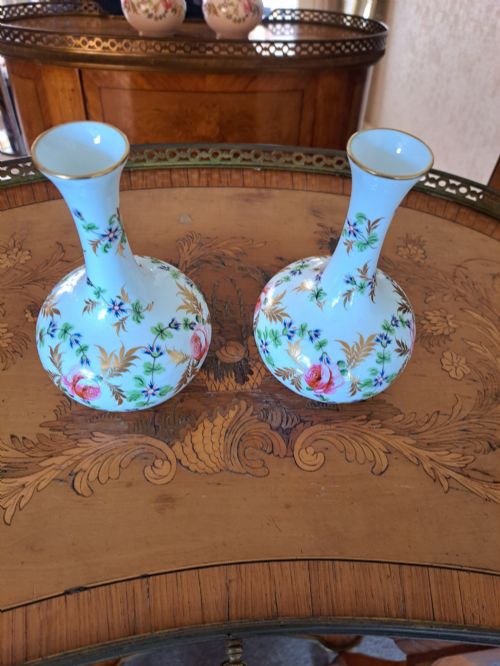
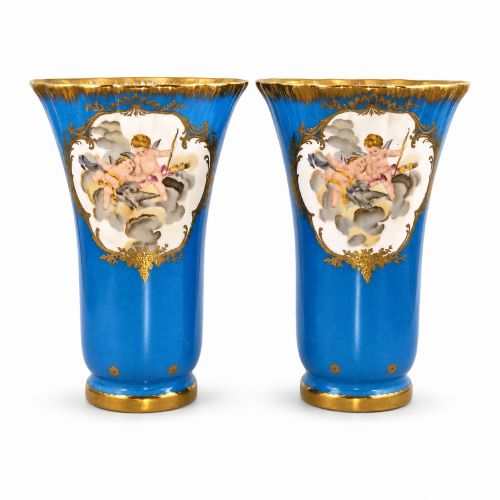
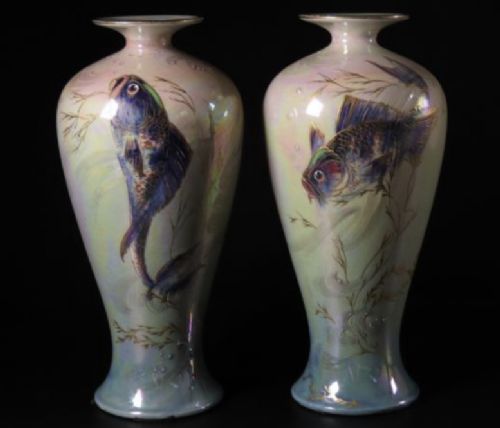
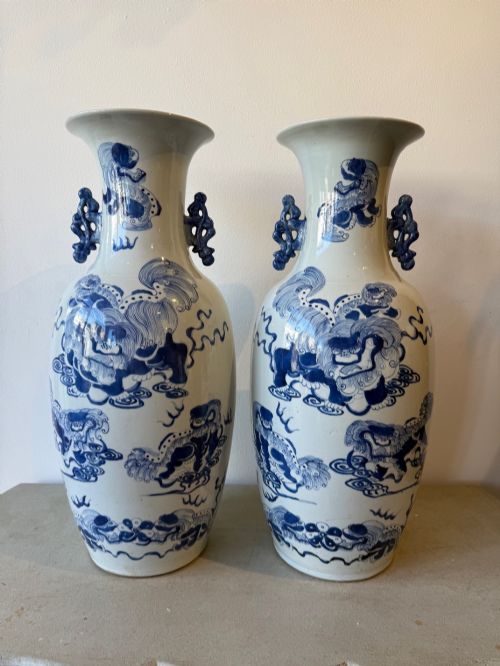
These pair painted porcelain vases bring decorative symmetry to a room, offering matched artistry across international and domestic ceramic traditions.

Pair Painted Porcelain Vases
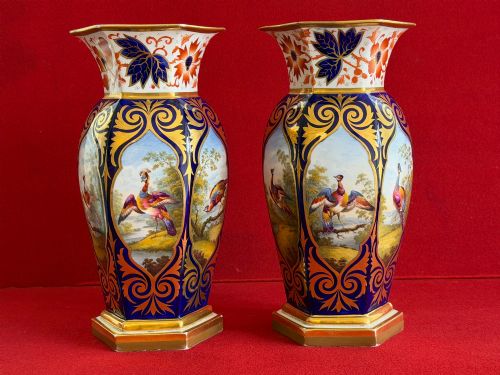
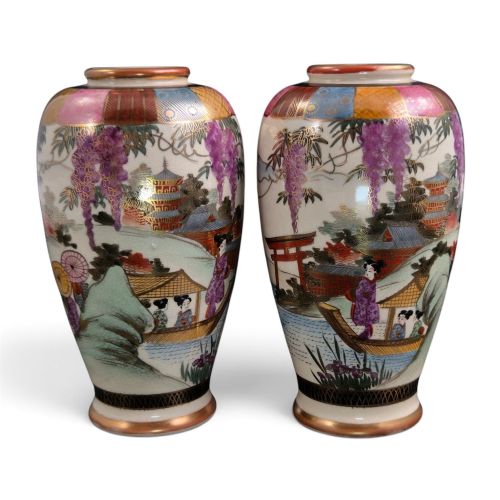
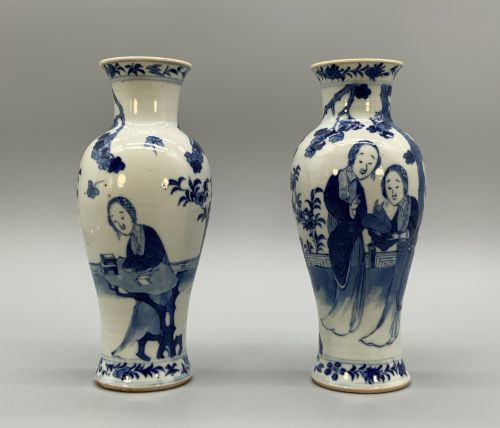
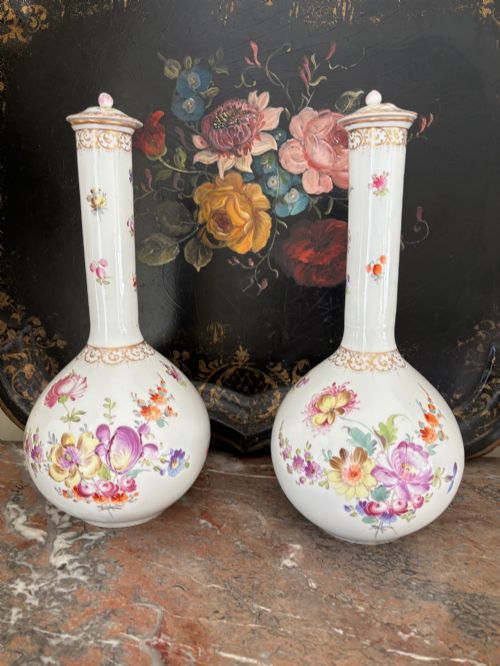
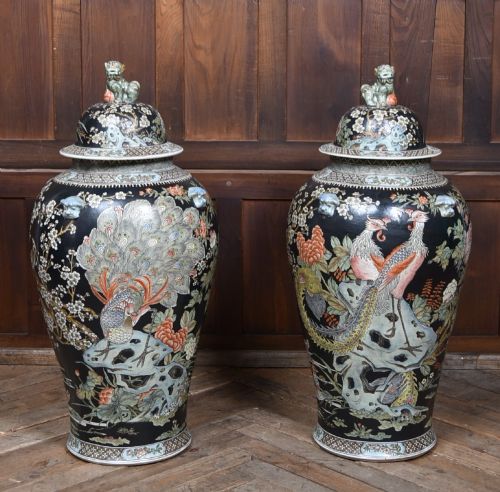
When searching for pair painted porcelain vases, collectors encounter matching vessels produced across European and Asian kilns from the Regency era through the early twentieth century. The selections available span traditional forms such as bulbous lidded jars, slender bud vases, and monumental floor pieces.
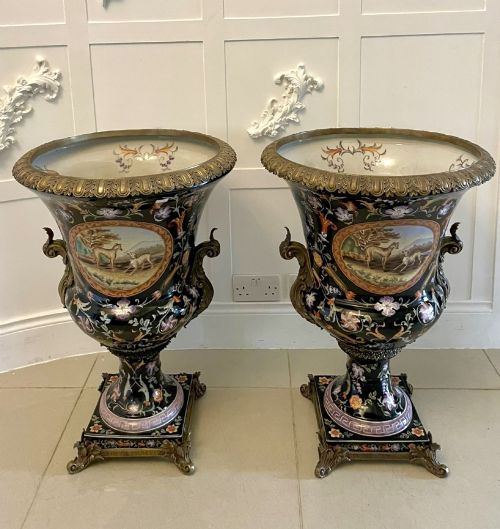
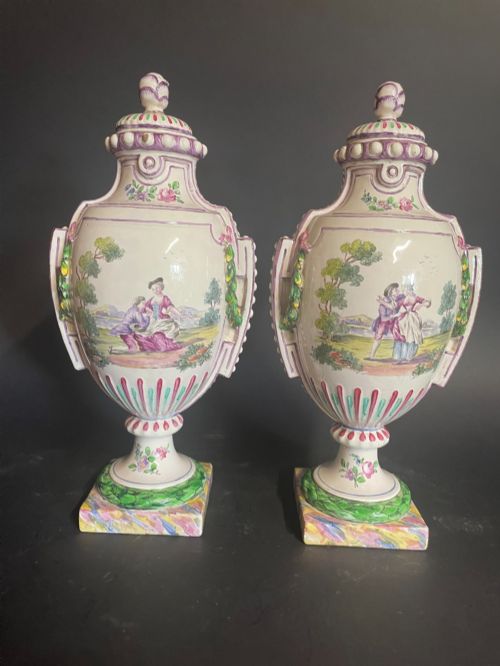
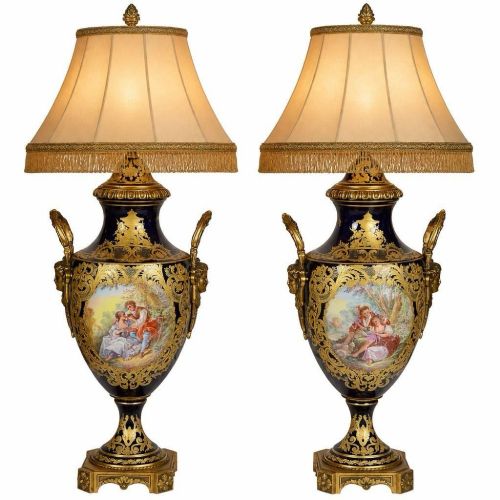
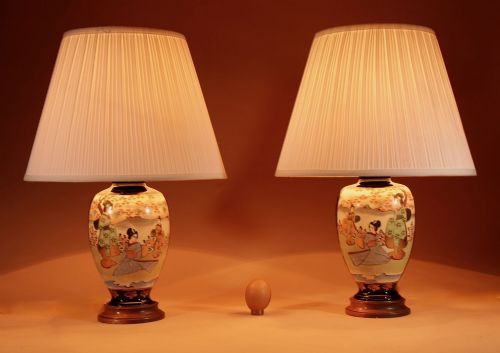
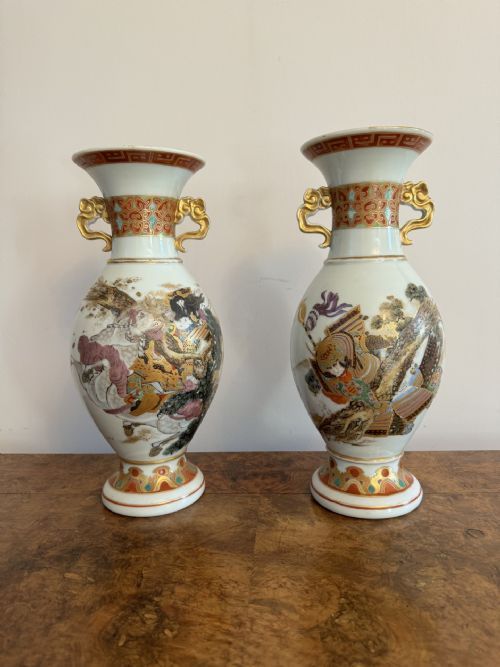
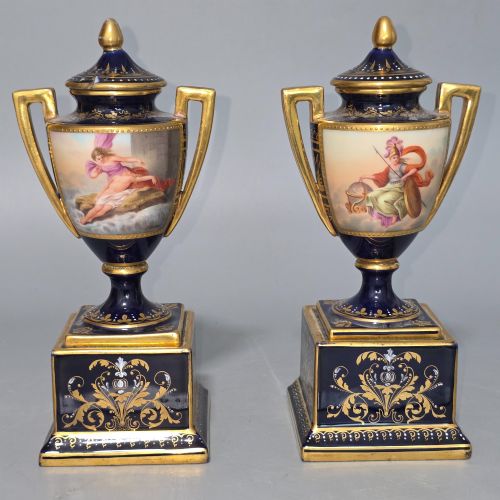
European workshops from Worcester, Derby, and Paris sit alongside nineteenth and early twentieth-century Japanese Satsuma, Imari, and Kutani wares on this page. Many examples incorporate brass or ormolu mounts, functioning variously as decorative urns, table lamps, and jardinieres.
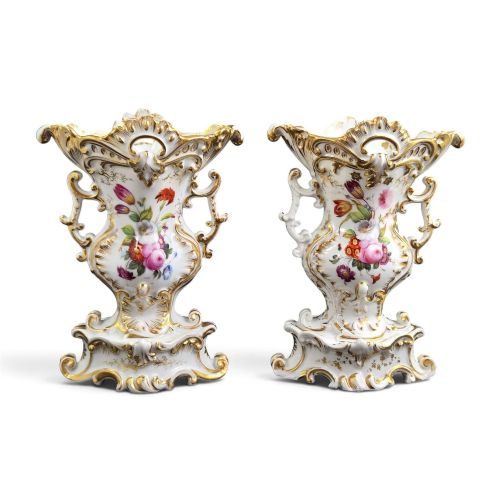
The aesthetic vocabulary shifts from French Rococo Revival scrollwork to Chinese blue and white figural scenes and detailed Japanese landscapes. Buyers often select these dual ceramic pieces to anchor fireplace mantels, console tables, and architectural ledges.
How they were made
Potters shaped these vessels from ceramic bodies including porcelain, earthenware, and faience, often applying coloured enamel pigments by hand. Artisans frequently integrated gold leaf and heavy gilding to highlight raised motifs and rims.
Many European and Asian pieces utilised specialised techniques such as lustre glazes, cobalt underglaze painting, and intricate brass or ormolu mountings. Kiln workers fired these decorated ceramics at high temperatures to vitrify the body and fix the painted surfaces.
The inventory includes diverse forms ranging from traditional table vases and monumental floor jars to converted lamp bases and jardinieres.
What varies in quality
Quality rests upon the precision of the hand-painted brushwork and the clarity of the underlying ceramic body. Superior examples display crisp botanical or figural detail without blurring in the enamel pigments.
The sophistication of the gilding and the weight of any bronze or brass mountings distinguish standard production from exceptional studio output. Matched symmetry between the two vessels also dictates the standing of a pair.
Flight Barr And Barr·Jacob Petit·Sitzendorf·Samson Paris·Helena Wolfsohn·Royal Worcester·Noritake
The Pair Painted Porcelain Vases Glossary
- Satsuma
- Earthenware pottery originating from Japan, characterised by an ivory crackle glaze and dense polychrome enamel painting. It frequently incorporates raised gold highlights.
- Imari
- Japanese porcelain decorated in underglaze blue and contrasting iron red, supplemented by gold details. The palette remains vibrant and distinct.
- Ormolu
- Gilt-bronze mounts applied to ceramic vessels for decorative or structural enhancement. This French technique became prevalent in nineteenth-century decorative arts.
- Faience
- Tin-glazed earthenware produced across various European centres. It offers an opaque white background suitable for painted surface decoration.
- Bleu Céleste
- A bright turquoise blue ground colour developed at the Sevres porcelain factory. It appears frequently on nineteenth-century French decorative pieces.
Pair Painted Porcelain Vases: Frequently Asked Questions
Can I convert these vases into lamps?
Many historical vessels received electrical conversions during the twentieth century to serve as table lighting while retaining their original ceramic bodies. Professional conversion typically avoids drilling the core ceramic material where possible to preserve the structural integrity of the antique.
When evaluating converted pieces, check whether the original rims and bases remain unaltered by the wiring hardware. Unconverted pairs allow owners to maintain traditional decorative display configurations.
What defines a true pair of vases?
A true pair consists of vessels thrown, fired, and painted as matching counterparts intended from creation to sit together. Artisans mirrored motifs or created complementary mirrored scenes across the two objects to ensure balanced visual harmony.
Assembled near pairs feature similar dimensions, palettes, and styles but originated from separate manufacturing runs or decorative sessions. Collectors generally value verified original pairs more highly than matched groupings.
How do I distinguish Satsuma from Imari ware?
Satsuma ceramics utilise a cream-coloured earthenware body covered in a fine crackle glaze beneath detailed enamel and gilt figural scenes. The overall visual texture appears matte and finely webbed upon close inspection.
Imari pieces employ a hard porcelain body decorated in a contrasting palette of cobalt blue, iron red, and gold. The surfaces exhibit a smooth, vitrified gloss rather than a network of glaze crackles.