


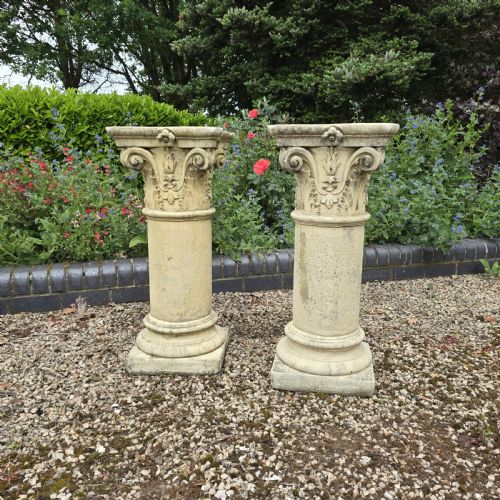
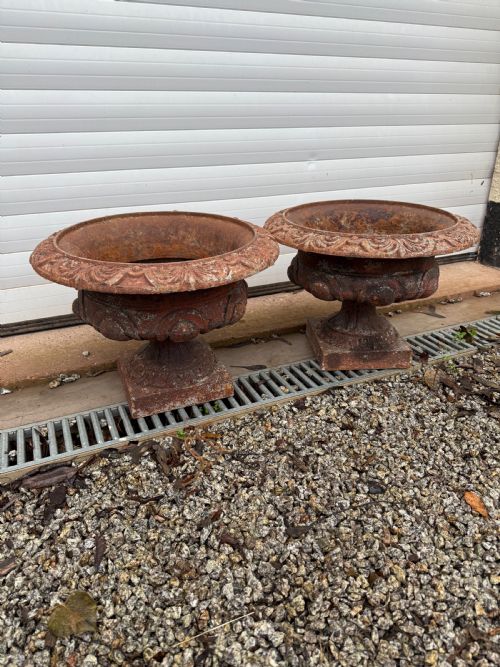
Pair of Stone Pedestals
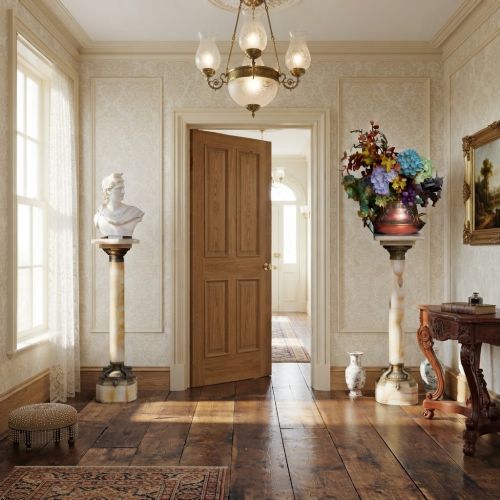
A pair of stone pedestals elevates sculpture, urns or botanical displays with architectural presence in gardens and interior spaces.
Pair of Stone Pedestals
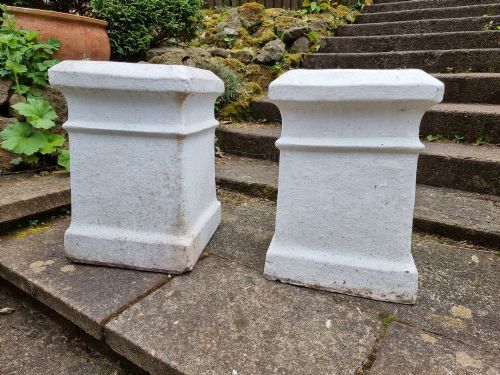
The selections span the nineteenth century, the Victorian era, and mid-twentieth century productions. Forms vary from simple classical columns to composite stone Gothic style garden plinths and limestone supports.
How they were made
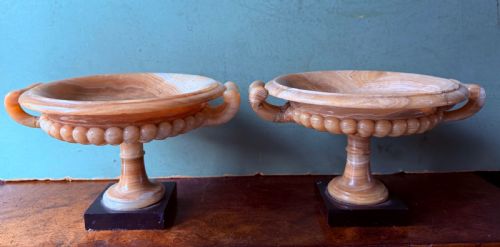
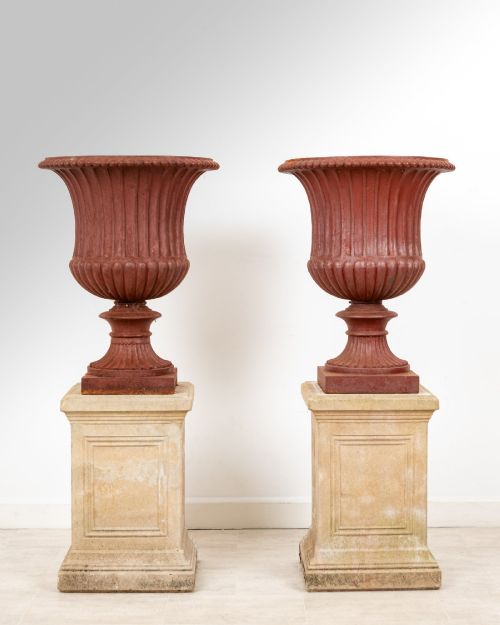
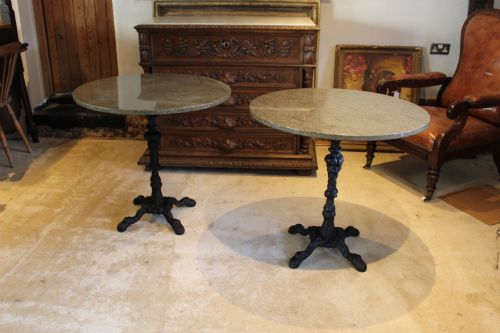
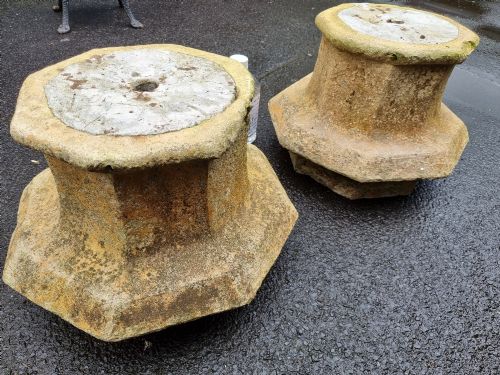
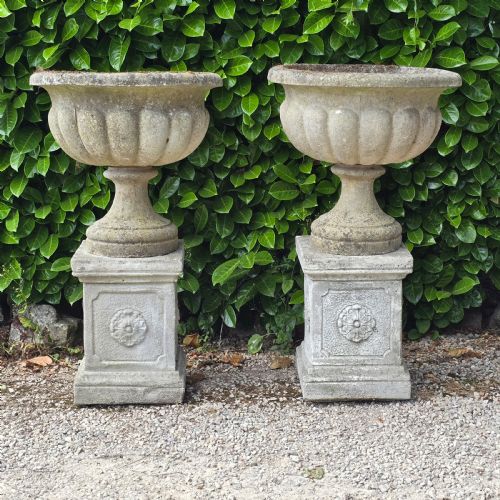
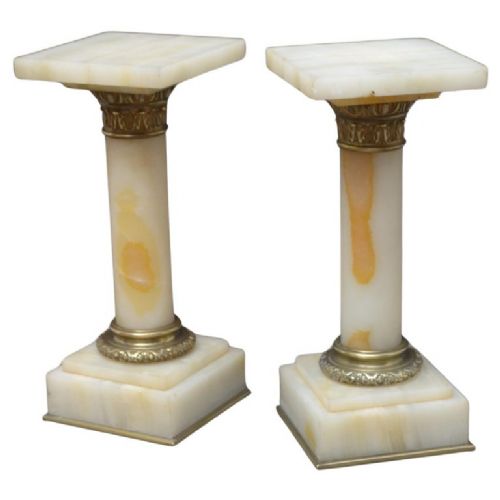
Construction relies heavily on durable earth materials such as natural stone, limestone, composite stone, and reconstituted stone. Artisans also utilised marble, alabaster, and cast iron for related display columns and urn combinations.
Surface finishes and structures reflect periods like the nineteenth century and Victorian production methods, incorporating hand carving, casting, and weathering effects.
Listings feature periods spanning the 19th Century, Victorian era, and 1950 alongside materials like stone, marble, alabaster, and cast iron.
What varies in quality
Quality rests upon the selection of raw materials, such as finely figured alabaster or dense serpentine marble versus standard composite mixes. The crispness of carved details in classical revival or Gothic styles dictates the distinction between ordinary utility supports and sculptural works.
Proportion and architectural balance define the visual success of each column or plinth. Higher grade examples maintain structural integrity and harmonious scale across both matching components.
Coalbrookdale
The Pair of Stone Pedestals Glossary
- Campana urn
- A bell-shaped vessel often mounted on pedestals or plinths for garden or patio decoration.
- Plinth
- A heavy base or lower block that supports a column, statue, or urn.
- Tazza
- A shallow cup or vase set on a stem and foot, appearing in marble and alabaster formats.
- Composite stone
- A manufactured material combining stone aggregates to replicate natural carved blocks.
Pair of Stone Pedestals: Frequently Asked Questions
How do I place stone pedestals in a garden?
Position them on a level, firm surface to support the weight of heavy stone or cast iron urns safely.
Ensure the base remains stable against shifting earth or moisture during winter months.
Can these pedestals stay outside year-round?
Natural stone and composite stone withstand external weathering when cleared of standing water and debris.
Alabaster and delicate marble variants require indoor placement to prevent frost damage.
What periods are common for stone pedestals?
Nineteenth-century and Victorian examples dominate the available inventory, reflecting classical revival tastes.
Mid-century pieces also appear alongside earlier architectural fragments.
How do I clean antique stone pedestals?
Brush away loose dirt gently using soft-bristled tools without harsh chemical detergents.
Preserve the weathered patina accumulated over decades of exposure.