



Antique Stone Gateposts
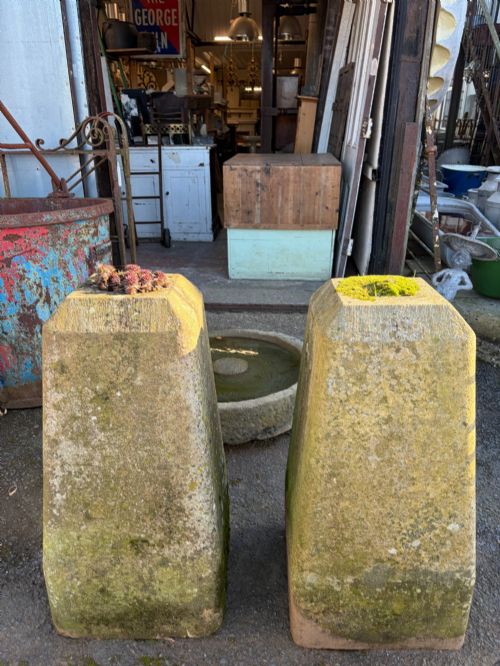
Antique stone gateposts anchor a driveway or entrance with heavy, weathered mass, bringing enduring presence and architectural gravity to a boundary.
Antique Stone Gateposts
Antique stone gateposts include architectural salvage elements such as tapered bases, pillar caps, and Gothic pinnacles drawn from ecclesiastical and domestic settings. These structural monoliths serve to mark boundaries and frame entrances with substantial weight and presence.
Buyers frequently encounter pairs formed from sandstone, limestone, Cornish granite, and various cast or composite stone mixtures. Many pieces carry significant history, originating from nineteenth century chapels, historic minsters, and traditional country houses.
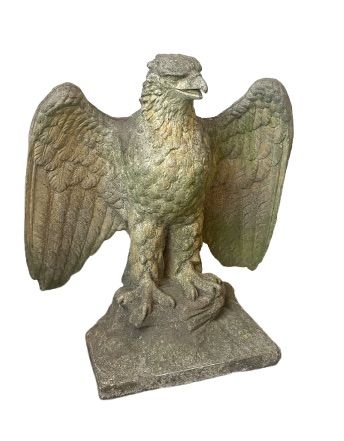
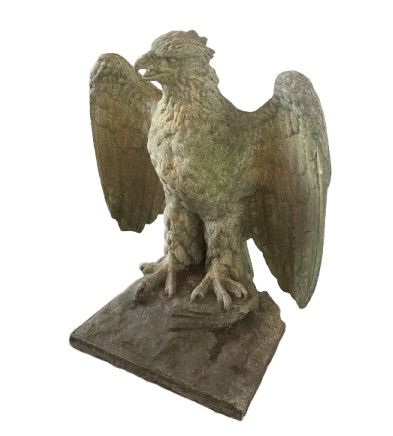
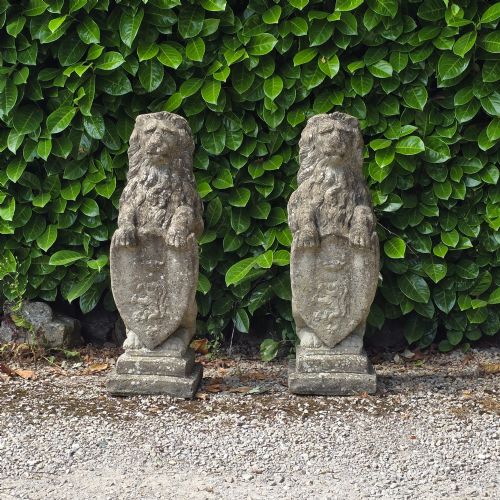
Alongside the structural posts, the selection incorporates matching pier finials, garden ornaments, and guardian figures designed to sit atop gate piers. These sculptural additions provide a formal conclusion to boundary walls and gate entrances.
How they were made
Stonemasons shaped natural materials such as sandstone, limestone, and Cornish granite using traditional hand-chiselling techniques to achieve tapered bases, pillar caps, and architectural pinnacles. These methods left tool marks and surface variations that record the labour of early makers.
Later twentieth century examples utilise composite stone, reconstituted stone, and cast stone poured into moulds to replicate traditional carved masonry. Salt glazed pottery techniques also appear in specific sculptural elements like garden lions produced in kilns.
Antique Stone Gateposts Retail Price Guide 2026
Typical asking prices for stone gateposts among the pieces listed under this phrase on Sellingantiques today, from the lower quarter to the upper quarter. They describe what is for sale here now, not the wider market.
Listings span periods from pre-sixteenth century Gothic pinnacles through Victorian granite caps to twentieth century composition stone eagles.
What varies in quality
The distinction between ordinary masonry and exceptional work lies in the sharpness of the hand-carved detail and the geological integrity of the natural stone. Pieces salvaged from notable structures like minsters or chapels demonstrate superior architectural ambition and sculptural depth.
The Antique Stone Gateposts Glossary
- Architectural salvage
- Building components rescued from demolition or alteration for reuse in new settings. These items preserve historical craftsmanship that would otherwise be lost.
- Pier finial
- A decorative ornament placed on top of a gate pier or wall end. They often take sculptural forms such as eagles or floral baskets.
- Cornish granite
- A hard igneous rock quarried in Cornwall and valued for its durability. It resists weathering and provides exceptional structural strength.
- Gothic Pinnacle
- A pointed architectural ornament typical of medieval and Gothic Revival design. They add vertical emphasis to piers and buttresses.
- Salt glazed pottery
- Ceramic ware treated with salt during the kiln firing to produce a durable, glossy vitreous coating. This finish protects garden ornaments from frost damage.
Antique Stone Gateposts: Frequently Asked Questions
How do I secure heavy stone gateposts?
Installation typically requires deep concrete foundations and internal steel reinforcing dowels to support the substantial weight of these architectural elements.
Professional placement ensures that heavy pairs remain plumb and stable against wind loading and mechanical stress from gates.
Can these posts support modern gates?
Most antique stone gateposts possess the structural mass necessary to carry traditional timber or wrought iron gates when properly fitted with hinge pins.
Assessing the fixing points and the integrity of the stone around historic anchor points is essential before hanging heavy hardware.
How do I clean weathered stone?
Gentle washing with water and a soft bristle brush preserves the historic patina and accumulated lichens that denote genuine age.
Harsh chemical treatments and pressure washers damage softer sandstones and erode the crisp edges of hand-carved details.
How do I identify the stone type?
Granite displays visible crystalline quartz and feldspar grains, whereas limestones and sandstones show sedimentary bedding layers or fine granular textures.
Cast and composite stones often reveal uniform internal structures or mould seams upon close inspection.