


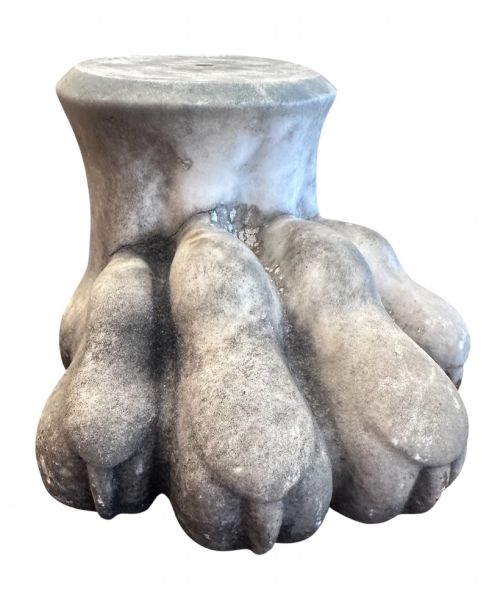


19th Century Stone Bases
These 19th century stone bases bring weight and historic character to interiors and gardens, serving as sturdy supports for sculptures and display.
19th Century Stone Bases
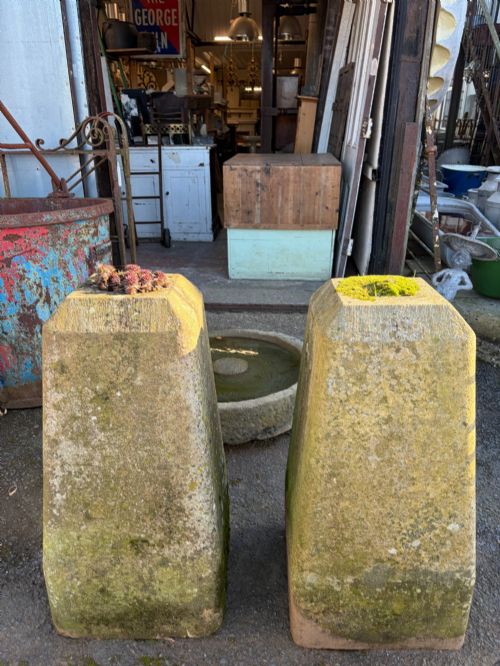
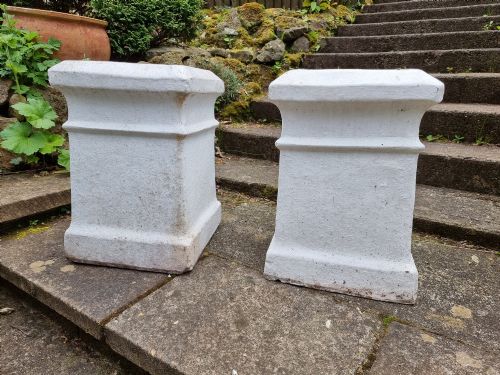
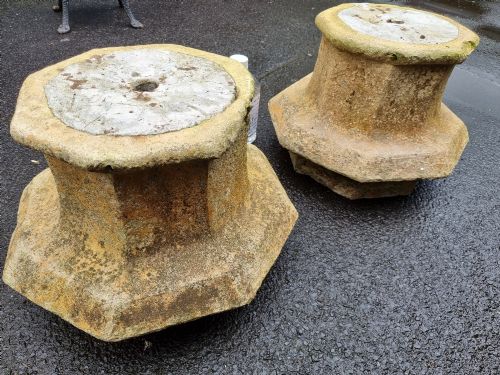
When searching for 19th century stone bases, buyers encounter a diverse selection of architectural salvage, pedestals, plinths, and practical agricultural artefacts spanning multiple periods and styles. These pieces range from simple tapered garden supports and sandstone saddle stones to carved limestone mill stone bases and composite stone plinths.
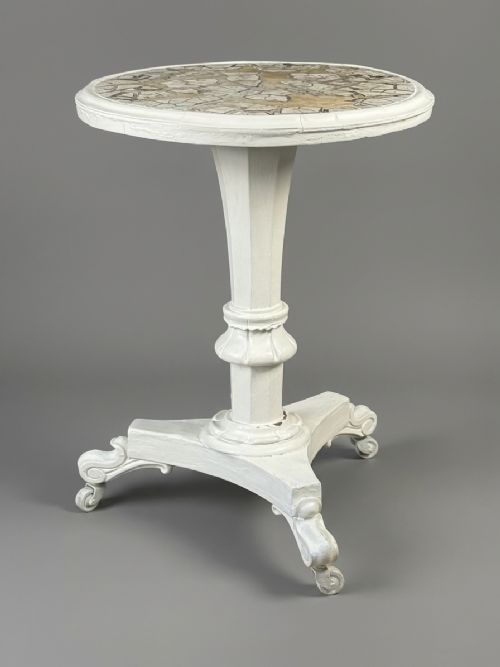
The material composition extends beyond plain stone to incorporate granite, marble, sandstone, and painted wood combined with specimen stone. Many examples reflect the architectural and decorative tastes of the nineteenth century, including Victorian, Gothic Revival, and Neoclassical designs.
Origins vary widely, encompassing English rural and agricultural items alongside Continental items associated with the Grand Tour. Buyers frequently utilise these sturdy artefacts as display columns or garden focal points, integrating historic utility into domestic and outdoor spaces.
How they were made
Makers utilised natural materials including granite, sandstone, limestone, and various marbles, shaping them with hand tools or milling machinery depending on the intended function. Architectural elements and agricultural items like cheese presses and mill stones required dense, durable stone capable of enduring heavy loads and weathering.
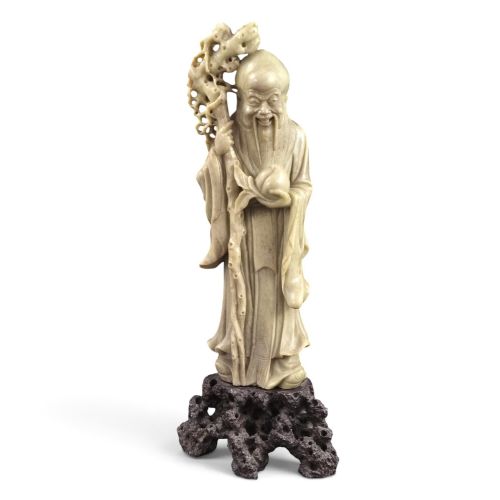
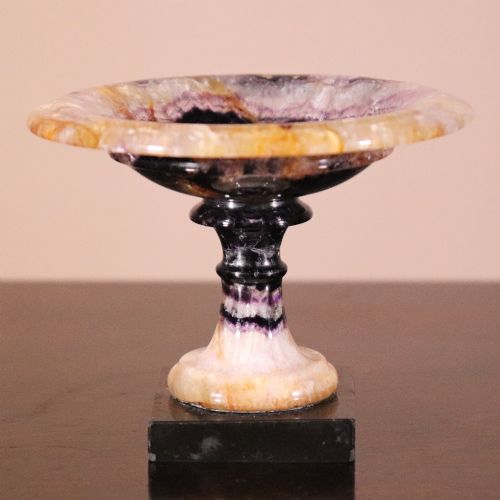
Decorative pieces often incorporated finer stones and metals, such as malachite, Blue John, onyx, and ormolu mounts. Sculptural components and reliefs demonstrate skilled carving techniques executed by period craftsmen working in stone and marble.
19th Century Stone Bases Retail Price Guide 2026
Typical asking prices for 19th century stone bases among the pieces listed under this phrase on Sellingantiques today, from the lower quarter to the upper quarter. They describe what is for sale here now, not the wider market.
Current listings feature diverse materials including granite, sandstone, marble, onyx, and specimen stone alongside painted wood.
What varies in quality
Quality in these pieces depends upon the integrity of the material, the crispness of any hand-carved detailing, and the preservation of original surfaces. Finer items display precise stonemasonry or sophisticated combinations of decorative specimen stones.
Functional items show the honest wear of agricultural or architectural service, where patination and surface weathering contribute to the character without compromising structural stability. The distinction between utilitarian artefacts and decorative works lies in the refinement of the shaping and the choice of materials.
Kasper Hendrik Roskam
The 19th Century Stone Bases Glossary
- Saddle stone
- A mushroom-shaped stone support historically used to raise grain ricks off the ground to protect against damp and vermin. These heavy blocks frequently survive as garden ornaments.
- Mill stone base
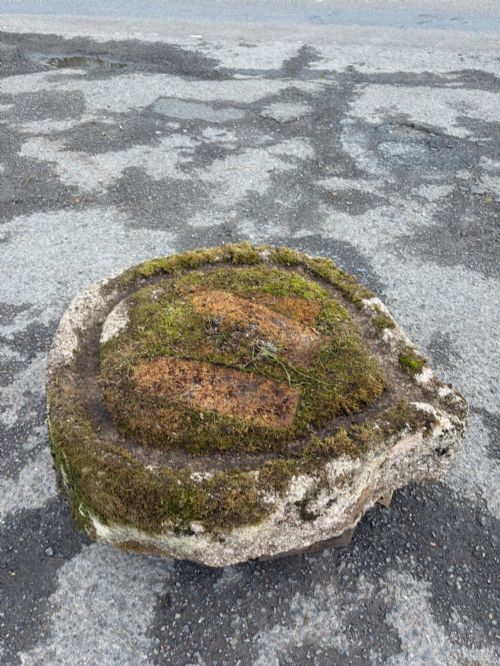
- The solid lower stone component from a mill, utilised for grinding grain and repurposed as a heavy architectural or garden feature. They show circular wear patterns from active use.
- Corbel
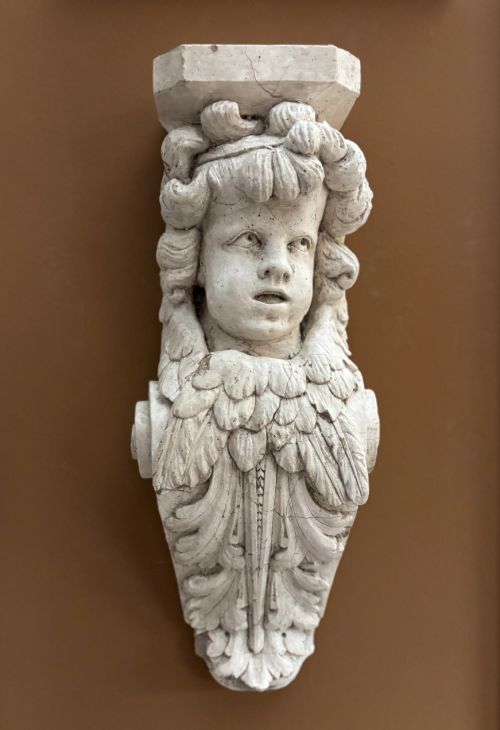
- A structural piece of stone projecting from a wall to support a weight, often carved into figurative or architectural shapes such as putti. They combine structural utility with decorative sculptural form.
- Composite stone
- A manufactured material mixing stone aggregates with binders to replicate natural stone for garden ornaments and architectural plinths. This technique allowed repeatable moulding of Gothic and classical designs.
19th Century Stone Bases: Frequently Asked Questions
What were stone bases used for originally?
These items served varied roles, ranging from agricultural supports like saddle stones and grindstones to architectural elements such as wall corbels and garden plinths. Many functioned purely as heavy load-bearing foundations for buildings, agricultural machinery, or outdoor structures.
Other examples were created for decorative display, acting as pedestals for sculptures, tazzas, and lamps within nineteenth-century interiors. Their dual nature bridges practical utility and aesthetic display.
How do I distinguish between periods?
Distinguishing periods relies on identifying stylistic markers, such as Neoclassical motifs, Gothic Revival arches, or Victorian ormolu mounts, alongside the tool marks left by period stonemasons. Material selection also offers clues, as Grand Tour pieces frequently utilise imported Italian marbles and specimen stones.
Contextual evidence, signatures, and construction techniques help narrow down the date of manufacture. Comparing the wear patterns with known agricultural or architectural forms further clarifies the chronology.
Can these stone bases be placed outdoors?
Many of these pieces, including granite mill stones, sandstone saddle stones, and composite stone plinths, were designed specifically for exterior environments and weather robustly over time. Natural stones like granite and sandstone withstand frost and moisture accumulation effectively.
Items incorporating delicate specimen stones, painted wood, or ormolu mounts require indoor placement to prevent environmental degradation. Assessing the material composition ensures appropriate placement in gardens or interiors.