





Antique Stone Plinth
An antique stone plinth anchors sculpture and elevates urns, bringing classical proportion and architectural weight to interior rooms and garden terraces alike.
Antique Stone Plinth
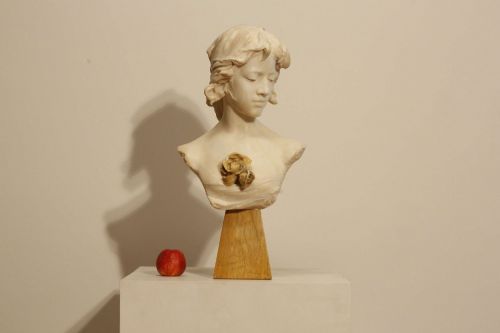
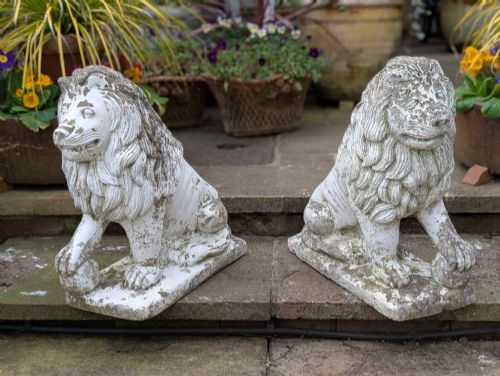
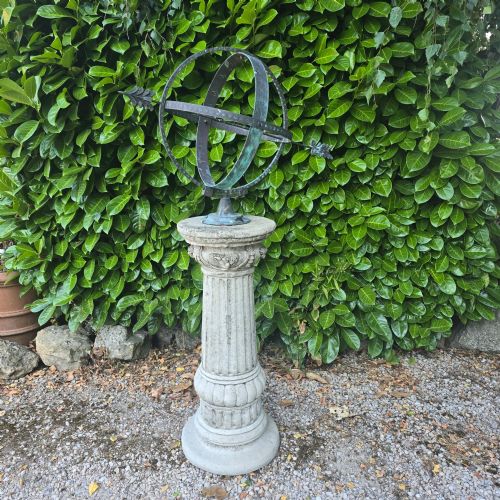
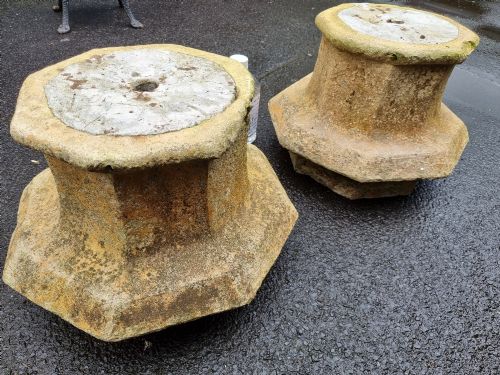
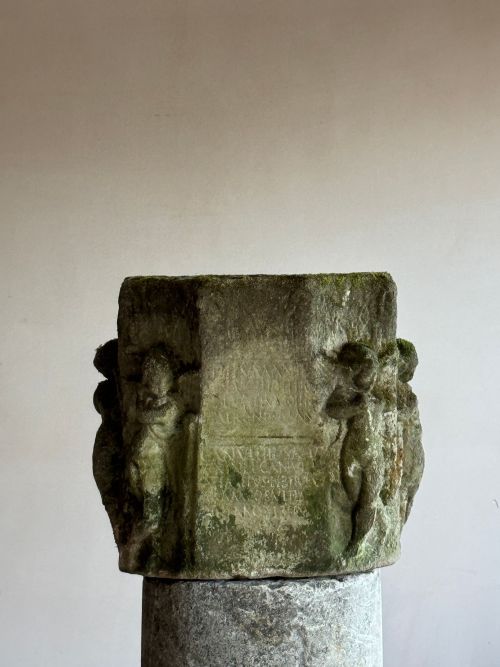
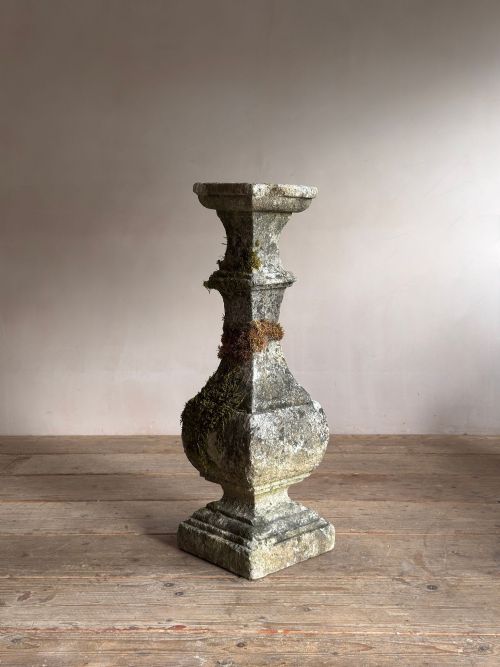
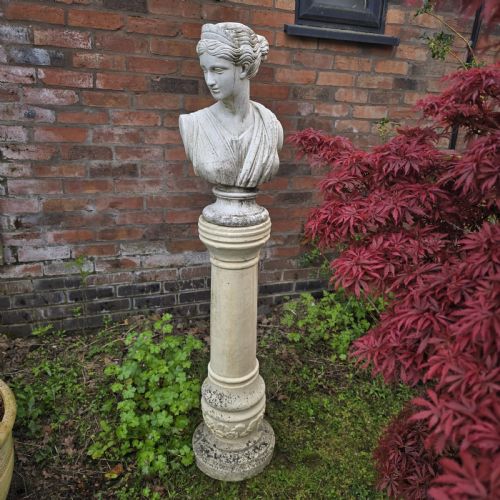
An antique stone plinth serves as a structural support for busts, urns, and garden figures, grounding sculptural works with architectural presence. The selection ranges from nineteenth-century compositions to Georgian limestone columns and Victorian pedestals.
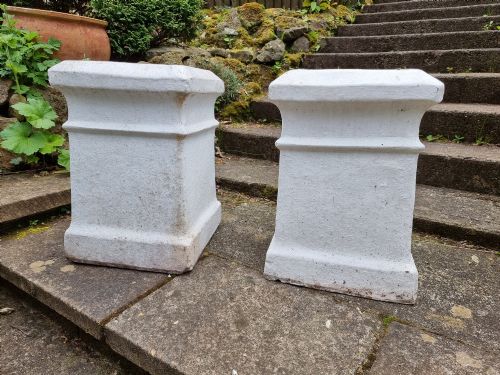
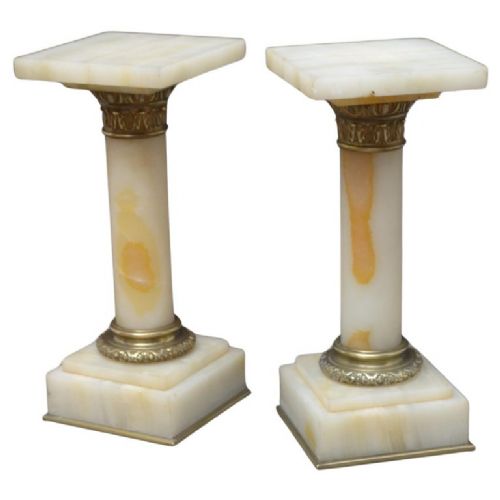
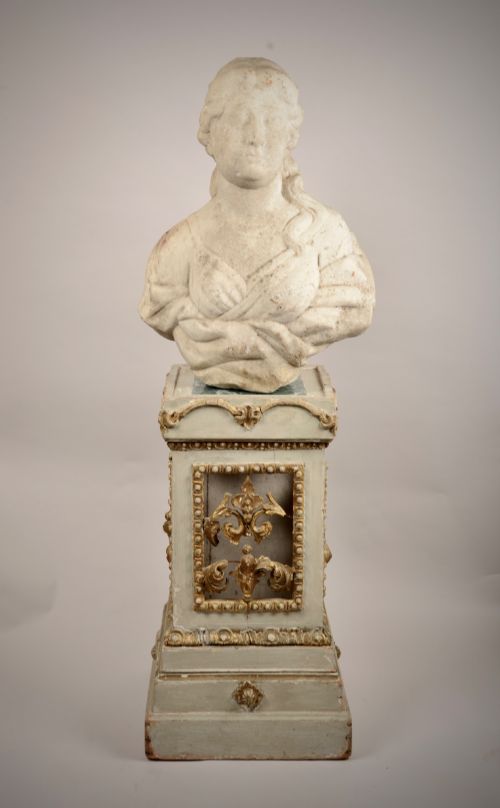
Buyers encounter various forms, including square scagliola pedestals, carved marble columns, and composite stone garden plinths. These pieces frequently originate from domestic interiors and formal garden settings.
The inventory demonstrates distinct historical revivals, spanning Neoclassical, Gothic, and Classical styles. Pieces arrive in both weathered outdoor textures and polished interior finishes.
Materials and construction
Masons utilised natural stones such as Carrara marble, Verde Antico, Derbyshire alabaster, and limestone, shaping them through manual carving and turning. Scagliola offered an alternative method, employing pigmented plaster to imitate natural marble.
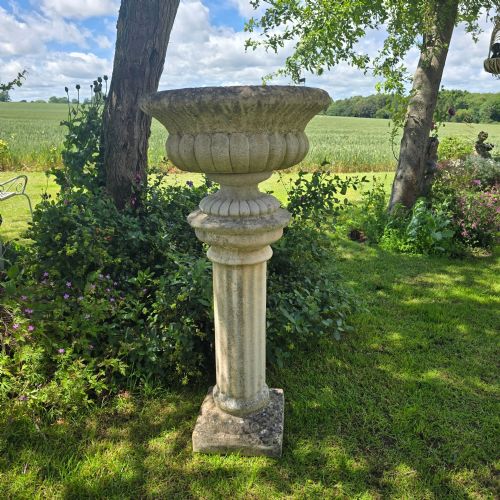
Outdoor iterations rely on cast stone, reconstituted stone, and salt-glazed stoneware, moulded to withstand weathering while maintaining sharp architectural profiles. Ormolu collars and brass details occasionally provide structural or decorative accents.
Antique Stone Plinth Retail Price Guide 2026
Typical asking prices for stone plinth among the pieces listed under this phrase on Sellingantiques today, from the lower quarter to the upper quarter. They describe what is for sale here now, not the wider market.
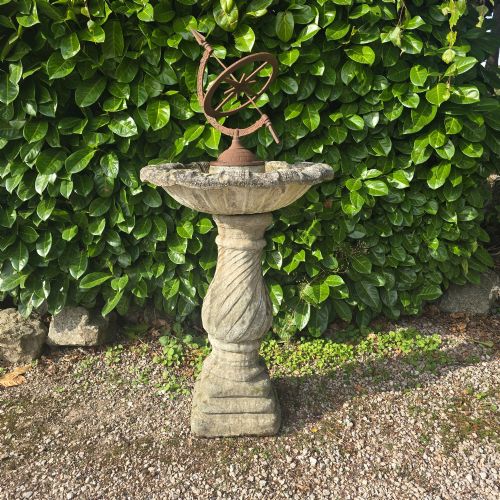
Listings incorporate nineteenth-century Carrara marble columns alongside Edwardian cast stone altars and Georgian limestone sundials.
Evaluating craftsmanship and condition
Quality rests in the crispness of the carving, particularly within acanthus leaves, fluting, and moulded cornices. Superior examples display balanced proportions and harmonious integration between the supporting column and its capital.
The handling of materials dictates longevity and visual depth, from the fossiliferous detail in limestone to the refined grain of carved alabaster. Weathering on outdoor stone exhibits genuine patination rather than structural degradation.
Bright And Sons·Andrew Handyside·Selim Bright·Fritz Kochendorfer
The Antique Stone Plinth Glossary
- Scagliola
- A composite material made from selenite, glue, and pigments, mixed to imitate marble and other hard stones. Craftsmen applied this paste over a core to achieve polished architectural surfaces.
- Campana
- A bell-shaped garden urn or vessel form commonly mounted upon pedestals. The profile widens from a narrow base toward a flared rim.
- Ormolu
- Gilded bronze used for decorative mounts and collars on marble columns and pedestals. This French technique highlights structural joints.
Antique Stone Plinth: Frequently Asked Questions
Where should I place an antique stone plinth?
Interior plinths suit hallways, drawing rooms, and studies to elevate bronze busts or marble figures. Garden plinths integrate into lawn vistas, patio corners, and conservatory floors.
Positioning depends primarily on the material weight and whether the piece is designated for interior display or outdoor weather resistance.
How do I distinguish interior marble from outdoor stone?
Interior pieces typically employ polished Carrara, onyx, or scagliola with precise, fine detailing. Outdoor versions utilise cast stone, limestone, or salt-glazed stoneware designed to tolerate moisture.
Surface texture provides a primary clue, as interior columns maintain smooth, finished surfaces whilst garden plinths exhibit weathered patination.
Can these plinths support heavy sculptures?
Solid stone, marble, and cast concrete columns possess substantial weight-bearing capacity suited for heavy urns and bronze statues. Proportion and base width determine stability under heavy loads.
Balanced weight distribution ensures the sculpture remains secure upon the platform without tipping.
How do I clean weathered outdoor stone?
Gentle water washing with a soft brush removes accumulated dirt without damaging the historic surface. Avoid harsh chemical cleaners that strip natural patination and weather-worn textures.
Allowing organic growth to remain partially intact often preserves the aged character expected on garden statuary.