



Carved Stone Display Stand
These carved stone display stand examples lift urns and sculptures with classical weight, bringing solid presence to any room.
Carved Stone Display Stand
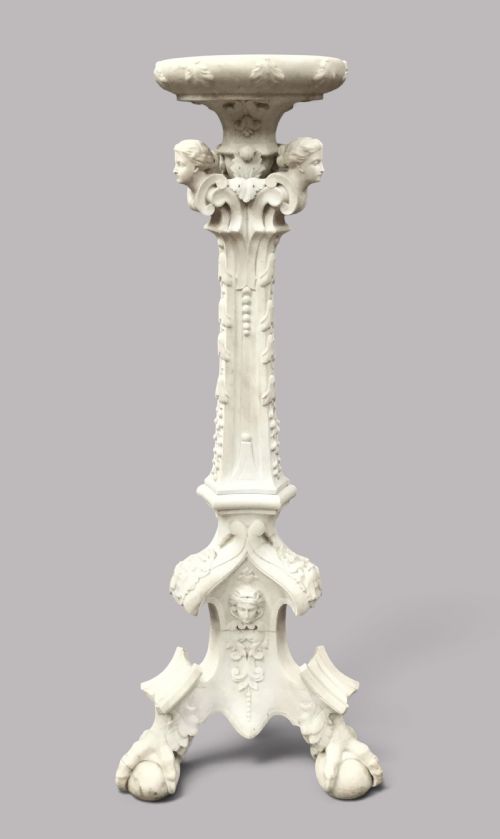
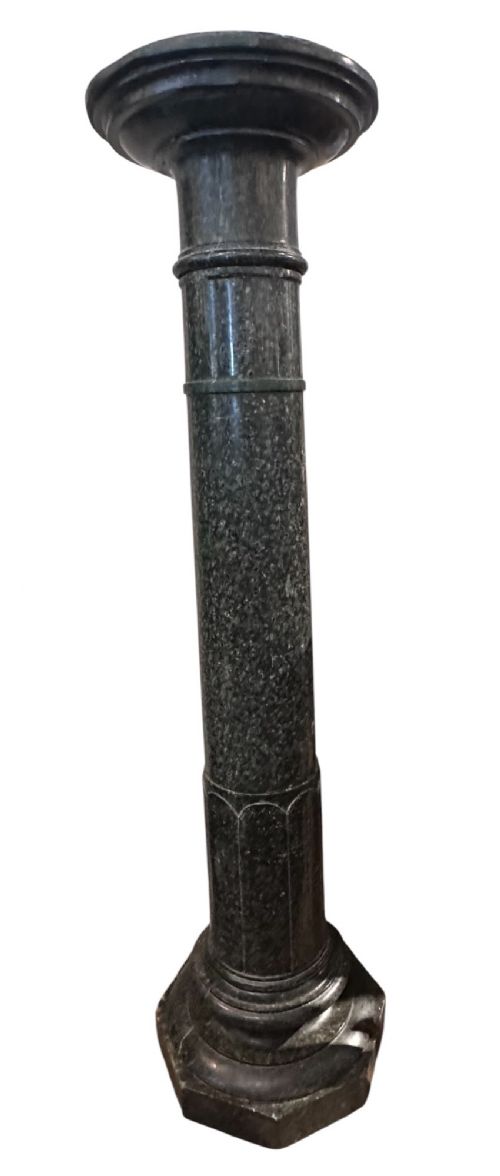
A carved stone display stand serves to elevate decorative objects, sculptures and plants using robust mineral materials. When searching for a carved stone display stand, buyers encounter architectural columns, pedestals and plinths designed for interior and garden placement.
The selections span the Victorian era, the nineteenth century and the early decades of the twentieth century. Forms range from Neoclassical revival columns to Chinese soapstone landscape sculptures and architectural fragments.
Origin points include Italian workshops producing Carrara and Verde Antico marble, alongside British Victorian pieces and Southeast Asian carvings. Buyers frequently find cylindrical columns, square pedestals and torcheres suited for focal display.
Materials and construction methods
Masons shaped these pieces from various mineral stocks, notably marbles such as Arabescato, Serpentine and Carrara, alongside alabaster, soapstone, stoneware and scagliola. Artisans turned cylindrical columns on lathes or carved intricate continuous landscapes and fluting by hand.
Mixed media construction also appears, pairing carved stone torsos with cast iron stands or mounting stone elements upon structural iron supports. Stoneware and concrete provide alternative weights for architectural plinths.
Carved Stone Display Stand Retail Price Guide 2026
Typical asking prices for carved stone display stand among the pieces listed under this phrase on Sellingantiques today, from the lower quarter to the upper quarter. They describe what is for sale here now, not the wider market.
Listings feature marble, alabaster and soapstone across Neoclassical, Victorian and Chinese traditional styles.
Assessing quality and execution
Superior examples demonstrate refined geological selection, evident in the complex veining of Verde Antico and Arabescato marbles or the translucency of carved alabaster. Finely detailed capital carving and precise fluting distinguish high workshop production from utilitarian architectural salvage.
Proportion and structural integrity dictate the success of a piece, ensuring that stone columns support weight securely while maintaining balanced classical proportions across pedestals and torcheres.
The Carved Stone Display Stand Glossary
- Torchere
- A tall stand designed to carry a lamp or urn. These slender supports lift light sources to eye level in a room.
- Scagliola
- A composite material made from selenite, glue and pigments, mimicking natural marble. Craftsmen apply and polish it to achieve a convincing stone finish.
- Verde Antico
- A dark green serpentine marble breccia. Ancient and later classical carvers prized it for its deep, mottled colouration.
- Arabescato
- A white marble featuring bold, dark grey veining. Italian workshops frequently utilised this stone for classical columns and pedestals.
- Plinth
- The low base supporting a column, statue or vase. It provides a stable foundation and visually grounds the object above.
Carved Stone Display Stand: Frequently Asked Questions
How do I choose the right height?
Consider the scale of the object you wish to display and the ceiling height of your room. Taller torcheres and columns suit corners and empty wall spaces.
Shorter plinths work effectively beneath heavier sculptures or urns where a lower centre of gravity is required.
Can these stands hold heavy items?
Solid stone columns and marble pedestals possess substantial weight bearing capacity. They safely support large bronze sculptures, heavy ceramic urns and large plants.
Pieces with iron supports or composite materials like scagliola require careful weight distribution.
Where should I place a column?
These pieces function well in hallways, living rooms and reception spaces as architectural punctuation marks. They draw the eye upward and create defined focal points.
Ensure they stand on level flooring to maintain stability for the displayed object.
How do I clean marble stands?
Dust the surface regularly with a soft, dry cloth to prevent dirt accumulation in carved recesses. Avoid acidic cleaners that etch marble and alabaster.
Use mild, pH-neutral soap and water for occasional deeper cleaning, followed by thorough drying.
Are alabaster stands fragile?
Alabaster is a softer mineral than granite or hard marble and scratches more easily. Handle carved alabaster plant stands with care during relocation.
Keep them away from areas of heavy traffic where accidental impacts might occur.