





Garden Stone Column
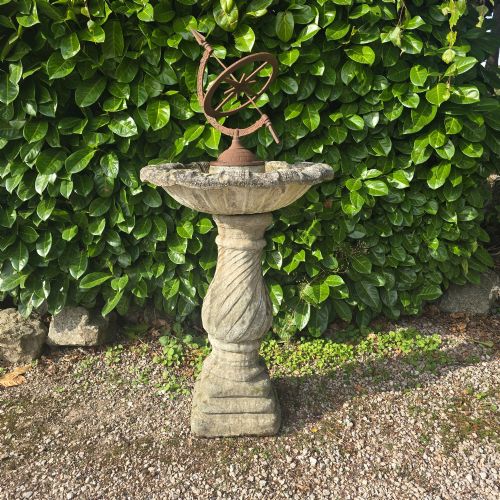
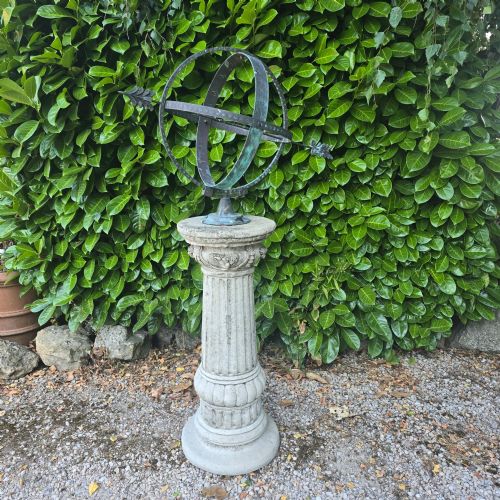
These garden stone column pieces are architectural supports and pedestals designed to elevate sundials, busts, and planters across open grounds.
Garden Stone Column
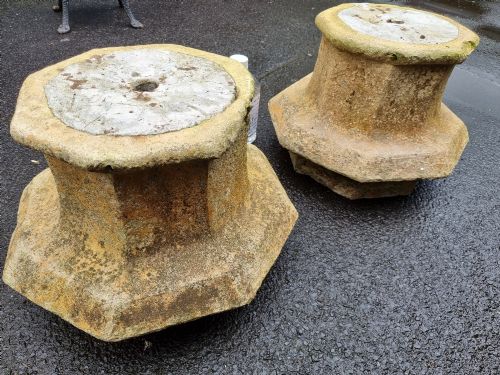
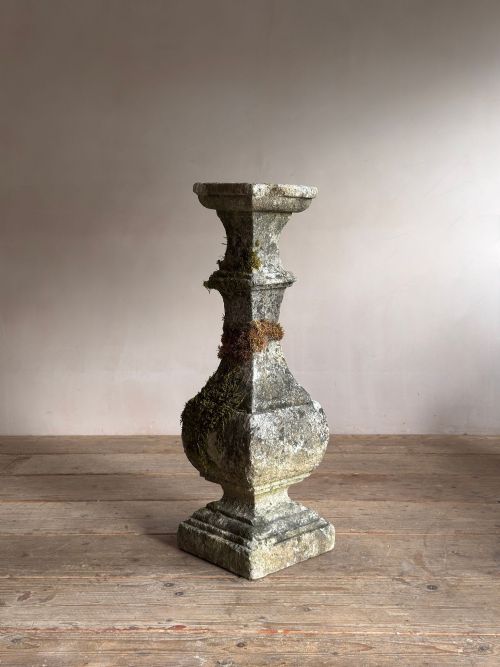
When you search for a garden stone column, you encounter architectural salvage and garden statuary intended to anchor outdoor focal points. These pieces take the form of pedestals, plinths, and structural capitals that elevate sundials, spheres, and busts.
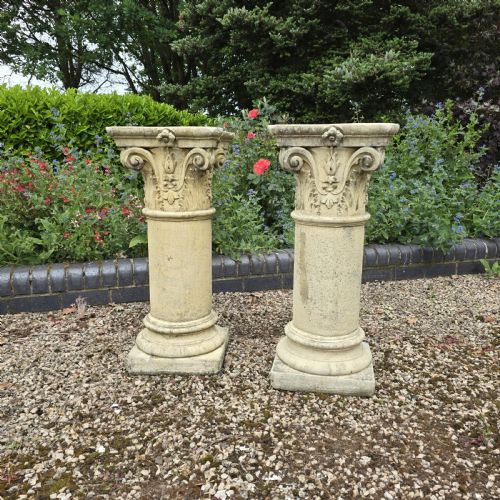
The versions most commonly met on this page span the 19th century, Georgian period, and early decades of the 20th century. Forms range from simple limestone blocks and stoneware plinths to elaborate Corinthian columns and Gothic revival shafts.
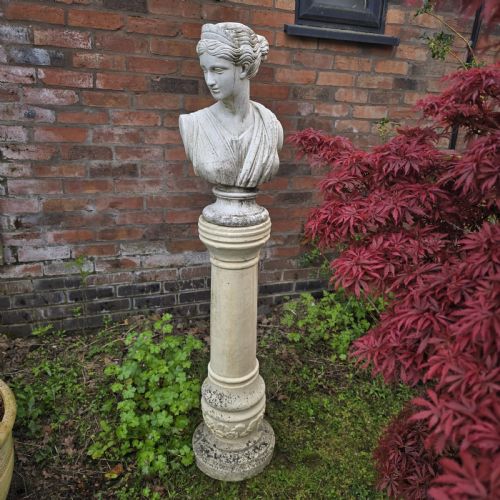
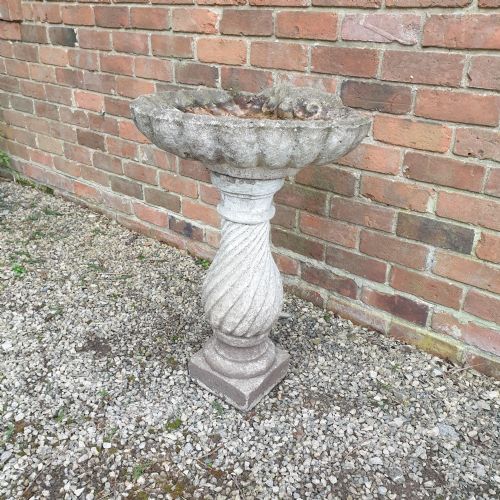
Many serve as direct supports for armillary spheres, bird baths, or portrait busts of classical figures like Athena and David. Their presence brings formal structure and vertical emphasis to traditional English country gardens.
Materials and construction
Masons shaped these columns from natural materials including durable limestone, red stone, and carved stone blocks. Architectural capitals and plinths demonstrate precise hand-carving techniques applied to hard geological media.
Later 20th-century examples incorporate cast stone, reconstituted stone, and composite stone moulded into formal classical profiles. Metal elements such as brass dials and bronze components occasionally accompany the stonework on sundial tops.
Garden Stone Column Retail Price Guide 2026
Typical asking prices for garden stone column among the pieces listed under this phrase on Sellingantiques today, from the lower quarter to the upper quarter. They describe what is for sale here now, not the wider market.
Several columns double as quiet stages for stone busts of David and Athena to overlook the lawn.
Assessing quality
Quality rests in the crispness of the original stone carving and the architectural proportion of the shaft and capital. Hand-carved limestone capitals with deep undercut foliage stand apart from simpler cast alternatives.
The degree of natural weathering heavily influences desirability, as decades of exposure produce patination and lichen growth that soften sharp edges. Integrity of form and the absence of structural fractures dictate the long-term utility of each column.
The Garden Stone Column Glossary
- Capital
- The uppermost member of a column, often carved with acanthus leaves in the Corinthian style. It transfers the load from the superstructure to the shaft.
- Plinth
- A heavy base or square slab supporting a column, statue, or bust. It provides a stable footing on uneven ground.
- Armillary sphere
- An astronomical instrument composed of interlocking metal rings centred on a globe, frequently mounted atop a column or sundial plinth. It represents the celestial sphere.
- Architectural salvage
- Building elements rescued from demolished structures for reuse in gardens and interior design. These items retain historical fabric and patination.
- Reconstituted stone
- A manufactured material made from crushed stone aggregate mixed with a binder, moulded to replicate natural stone. It provides uniform strength for outdoor statuary.
Garden Stone Column: Frequently Asked Questions
How do I secure a heavy column outdoors?
Heavy stone columns require a level, compacted sub-base of gravel and paving slabs to prevent sinking into damp earth. Lime mortar or dowels can stabilise stacked sections depending on the weight of the superstructure.
Exposed sites benefit from discreet pinning or brackets if supporting top-heavy items like armillary spheres or large stone busts.
Can these columns stay outside in winter?
Natural limestone, cast stone, and reconstituted stone withstand frost if they are free from standing water and severe structural cracks. Sealing the base prevents moisture absorption during prolonged freezing periods.
Placing non-porous slate or timber shims beneath the plinth keeps the stone elevated clear of saturated winter soil.
How do I clean moss off old stone?
Gentle brushing with water and a soft nylon Bristle brush removes loose debris while preserving the historic patination. Avoid harsh chemical cleaners or pressure washers that erode the stone surface and destroy weathering.
Allowing light biological growth to remain often enhances the antique character of 19th-century garden ornaments.