
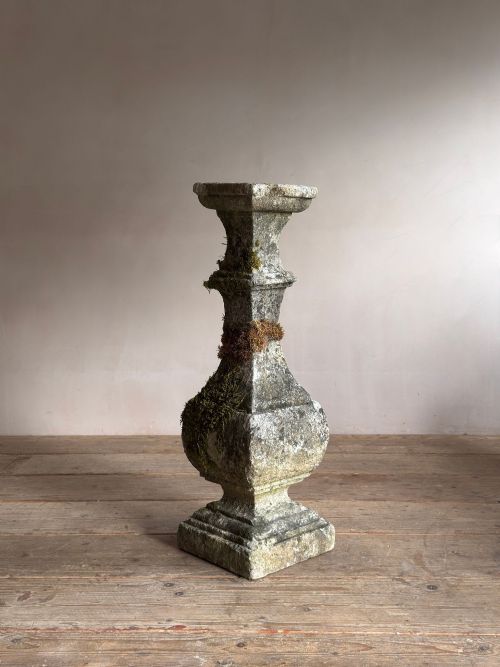
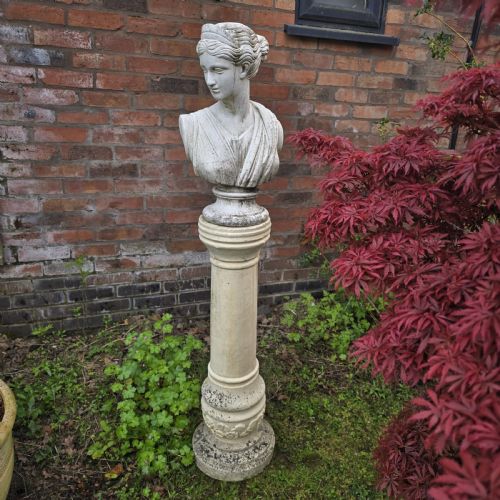
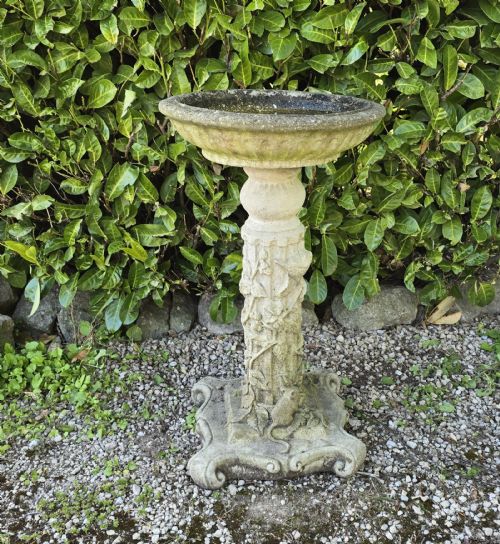
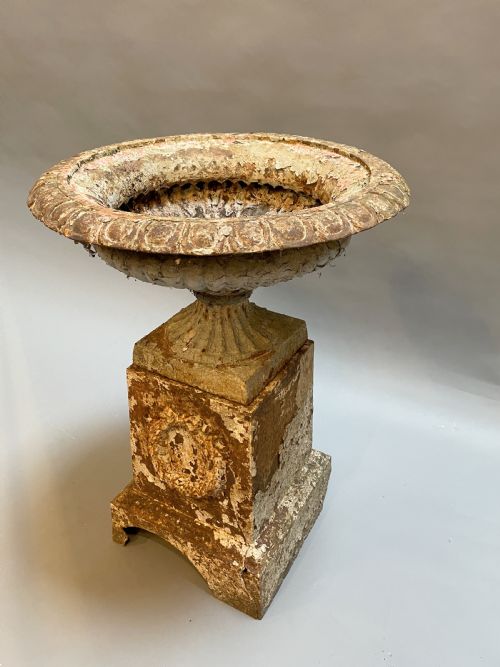
Weathered Garden Pedestals
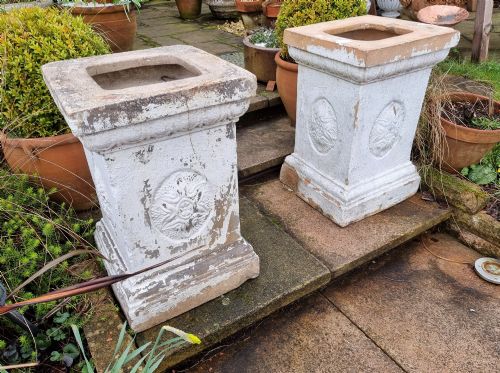
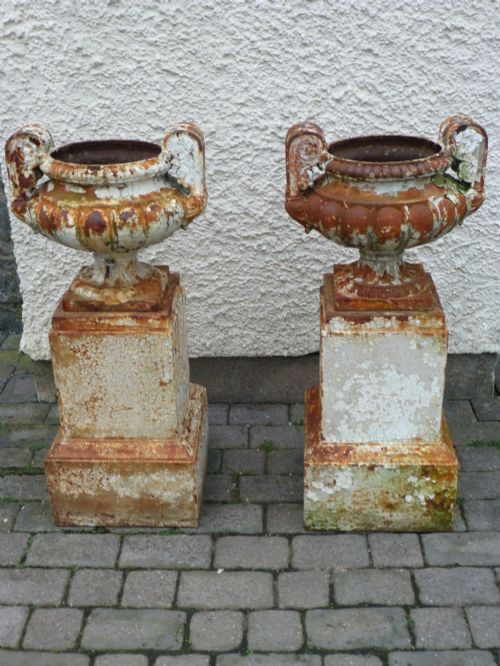
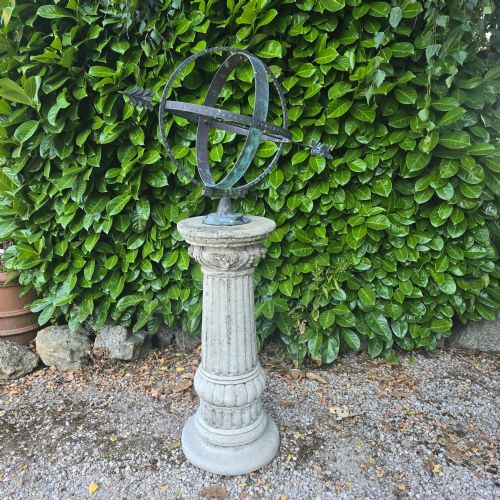
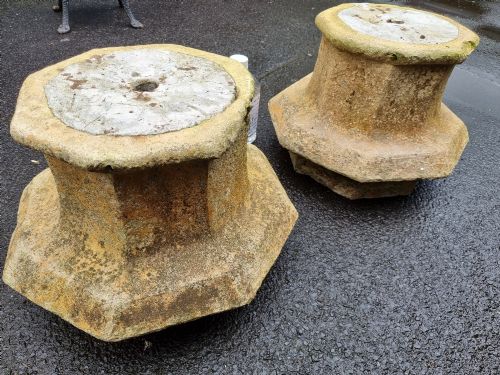
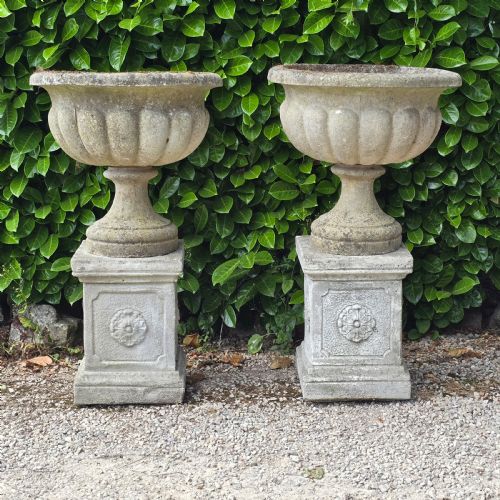
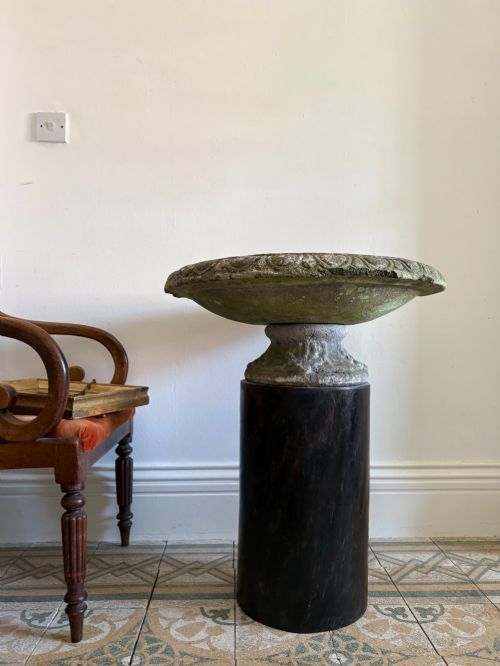
Weathered garden pedestals are substantial architectural supports holding urns, sundials, or figures, shaped by decades of outdoor exposure to bring immediate authority to a landscape.
Weathered Garden Pedestals
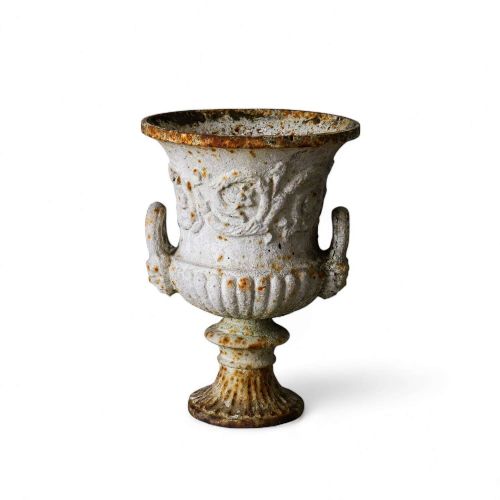
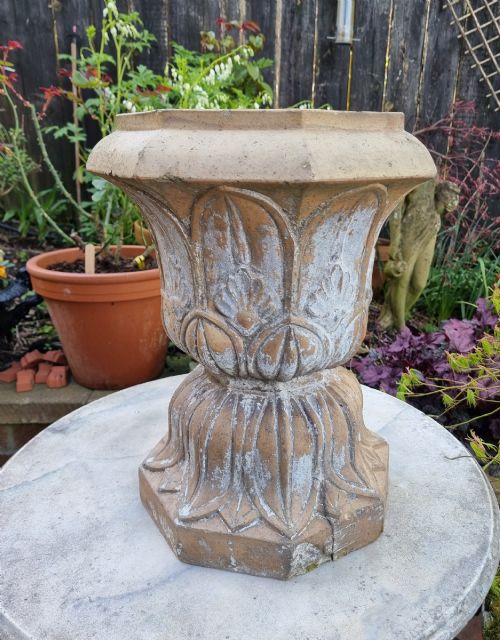
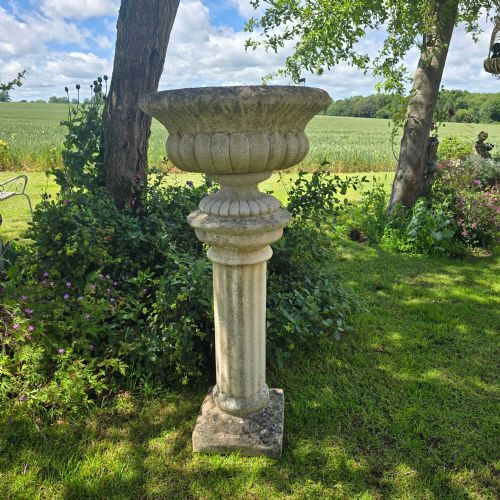
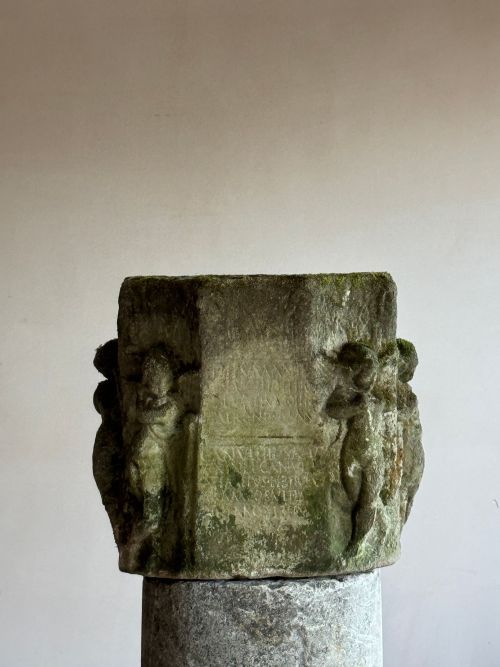
Weathered garden pedestals serve as elevated foundations for garden ornaments, urns, and statuary across various historical periods. When searching for weathered garden pedestals, buyers encounter items ranging from nineteenth-century reconstituted stone and composite stone to iron columns and limestone plinths. These supports lift decorative elements to eye level, creating focal points in lawn layouts or formal planting schemes.
The selections span distinct historical eras, including Victorian, Regency, Edwardian, and Georgian periods alongside mid-twentieth-century pieces. Common structural forms include classical columns, square plinths, and multi-sided pedestals designed to bear the weight of heavy campana urns or stone busts. Many examples exhibit organic patination accumulated through decades in British gardens.
Materials and construction methods
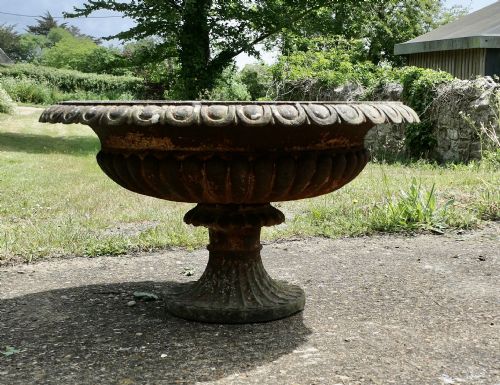
Makers utilised durable outdoor media such as cast iron, reconstituted stone, terracotta, and carved sandstone to withstand permanent exposure to the elements. Foundries poured molten iron into complex moulds to achieve crisp classical detailing, while stone masons carved limestone, Purbeck stone, and sandstone by hand. Composite and reconstituted stone mixtures offered a reliable alternative, pressed into moulds to replicate the texture of natural rock.
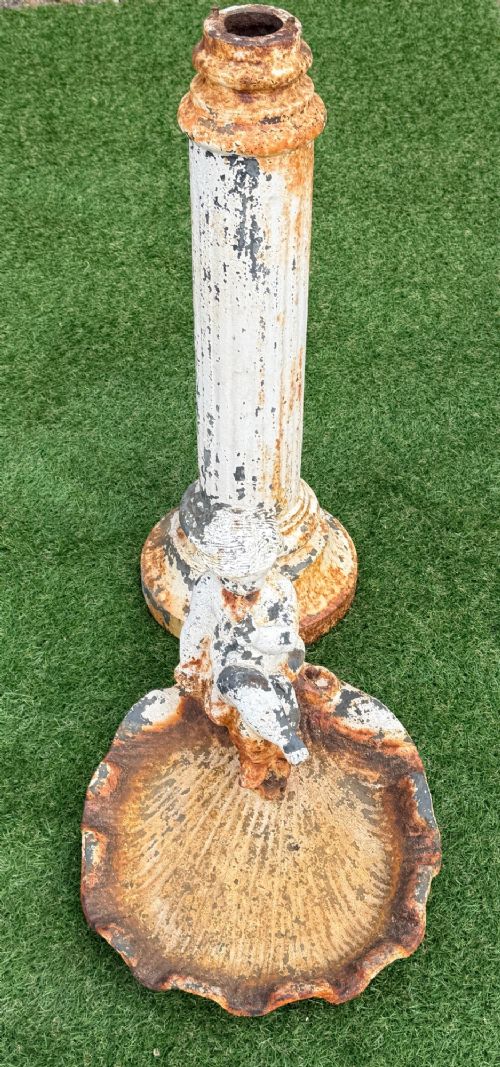
Surface finishes developed naturally over time through weathering, though early manufacturing often involved applying paint or protective washes to seal porous terracotta and stone. Cast iron pieces required robust primer and paint layers to prevent oxidation, which over decades gave way to flaking paint and rich surface oxidation. Stoneware and terracotta absorbed moisture, encouraging the growth of lichen and moss that softened the original profiles.
Listings feature garden pedestals and plinths spanning the eighteenth, nineteenth, and twentieth centuries, utilising cast iron, limestone, and reconstituted stone.
Assessing quality in garden pedestals
Quality rests primarily in the crispness of the original moulding or hand-carving and the structural integrity of the material over time. Superior pieces display deep, well-defined relief work on capitals and mouldings, whereas lesser examples suffer from worn or shallow casts that lose definition under layers of weathering. The density and composition of the stone or iron dictate how well the support resists frost damage and structural fracturing.
Proportion and balance also distinguish finer pedestals from standard utility bases. Well-designed columns and plinths maintain harmonious visual weight in relation to the urns or busts they support, avoiding heavy-handed or crude profiles. The character of the weathering - whether uniform lichen growth or stable iron patination - adds aesthetic merit to soundly constructed pieces.
Dunfermline Clay Company·Falkirk Carron foundry·Andrew Handyside
The Weathered Garden Pedestals Glossary
- Campana
- A bell-shaped garden urn with a flared rim, frequently mounted upon a matching pedestal.
- Plinth
- A heavy flat-topped block or base serving as a support for a statue, urn, or column.
- Reconstituted stone
- A manufactured material composed of crushed stone aggregate and cement binder, moulded to resemble natural rock.
- Staddle stone
- A mushroom-shaped stone support originally used to elevate granaries above damp ground and pests.
- Terracotta
- Fired unglazed clay possessing a porous body that acquires a characteristic weathered patina outdoors.
Weathered Garden Pedestals: Frequently Asked Questions
What supports do these pedestals hold?
These pedestals typically carry heavy garden ornaments including campana urns, sundials, bird baths, and stone busts. They elevate these decorative elements to improve visibility and presence within a garden design.
Heavier items require robust stone or cast iron columns to ensure stability on uneven ground. Lighter composite stone plinths suit smaller planters and urns.
How do I clean a weathered stone pedestal?
Gentle washing with water and a soft nylon brush removes loose dirt without damaging the historical patina or surface lichen. Avoid harsh chemical cleaners and pressure washers, which strip away the aged skin that collectors value.
Allowing organic growth to remain often enhances the visual appeal of nineteenth-century stone and terracotta. Structural repairs should be left to specialists using lime-based mortars.
Are cast iron pedestals frost proof?
Cast iron handles freezing temperatures well if painted properly, though trapped water inside hollow columns can cause cracking during severe winters. Inspecting drainage holes prevents internal water accumulation.
Placing iron pedestals on level stone footings keeps the base clear of standing ground moisture. Regular maintenance painting protects the metal from active corrosion.
How do I date a stone garden pedestal?
Dating relies on stylistic clues such as neoclassical proportions, Gothic revival motifs, or Victorian casting marks. Tool marks on hand-carved limestone indicate earlier eighteenth-century or early nineteenth-century production methods.
Standardised reconstituted stone pieces often point towards the late nineteenth or early twentieth centuries. Deep weathering and heavy moss accumulation generally confirm decades of outdoor exposure.