



Victorian Stone Plinths
Victorian stone plinths are architectural supports and display columns that elevate garden urns, statues, and decorative objects with classical dignity.
Victorian Stone Plinths
Victorian stone plinths serve as sturdy foundations for display, lifting sculptures, garden urns, and torchere stands into prominence. These pieces belong primarily to the 19th Century and the Victorian era, drawing heavily on classical design traditions.
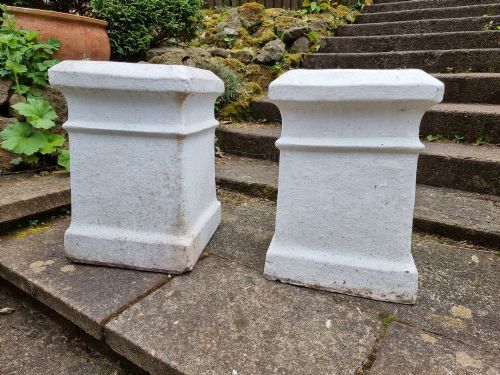
The versions met on this page range from simple stoneware blocks and salt glazed garden urns to elaborate marble columns and alabaster pedestals. Makers frequently utilised classical revival styles, producing forms such as fluted columns and low pedestals suited for interior and exterior settings.
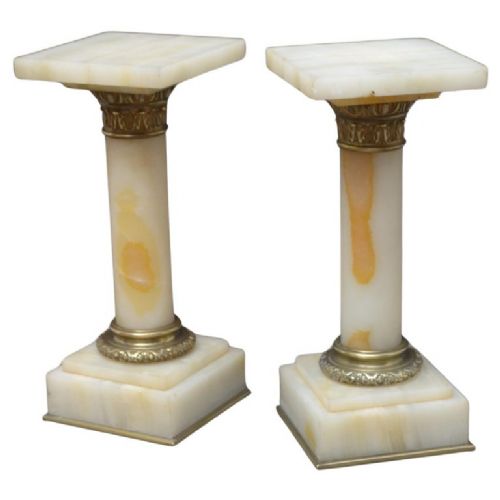
Object types associated with these listings include pedestals, garden plinths, and torchere stands, often paired with matching campana urns or carved figures. Their origins span British manufacture and continental workshop traditions, reflecting a broad 19th-century appetite for classical antiquity.
How they were made
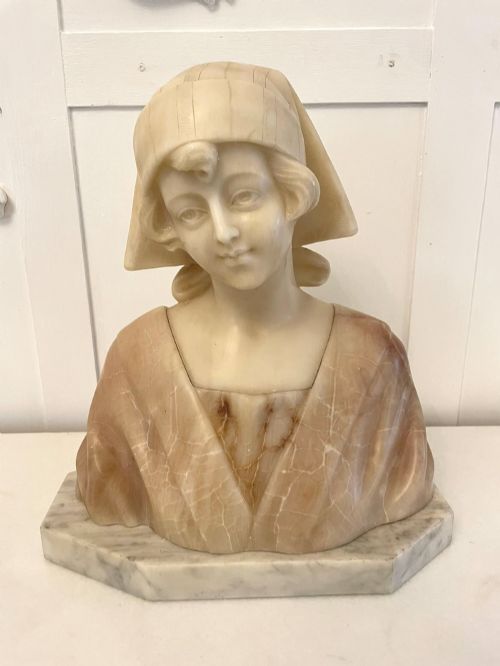
Materials span natural stones and quarried minerals, notably marble, onyx, alabaster, and serpentine, alongside durable stoneware and cast iron. Craftsmen turned hard marbles and alabaster on lathes to create smooth columns, or carved detailed acanthus leaves and classical motifs by hand.
Foundries cast iron and terracotta into robust garden urns and plinths, applying paint finishes or leaving the salt-glazed stoneware in its natural state. Assemblages often combine different sections, joining marble shafts to distinct capitals and bases with pins and mortar.
Victorian Stone Plinths Retail Price Guide 2026
Typical asking prices for victorian stone plinths among the pieces listed under this phrase on Sellingantiques today, from the lower quarter to the upper quarter. They describe what is for sale here now, not the wider market.
Object forms span garden pedestals, torchere stands, chimneys, and campana urns.
What varies in quality
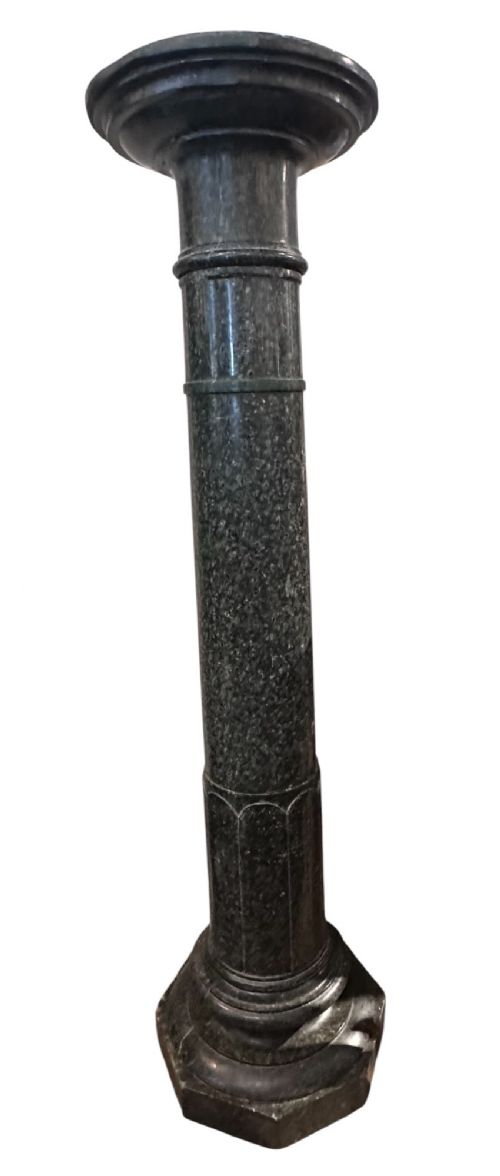
Quality rests on the choice of material and the precision of the carving, distinguishing plain utility items from ambitious sculptural works. Finer columns employ prized stones like Verde Antico or variegated green marble, showing careful selection of natural veining and colour.
The crispness of carved details, such as acanthus foliage and classical moulding, separates standard production pieces from workshop outputs associated with known makers. Structural integrity and the harmonious proportion of column shafts to their capitals also define the upper tier of these objects.
Bright And Sons·Andrew Handyside·Selim Bright
The Victorian Stone Plinths Glossary
- Campana urn
- A bell-shaped garden vessel with an everted rim, frequently mounted upon a stone plinth or pedestal.
- Torchere
- A tall stand or pedestal originally designed to support a torch or lamp, adapted in the 19th century for display objects.
- Verde Antico
- A dark green serpentine marble breccia valued in classical and neoclassical architecture for its rich patterning.
- Ashford marble
- A black limestone inlaid with coloured minerals, produced in Derbyshire for decorative architectural objects and urns.
- Salt glaze
- A vitreous silicate coating formed by throwing common salt into kiln fires during high-temperature stoneware production.
Victorian Stone Plinths: Frequently Asked Questions
What are Victorian stone plinths used for?
These pieces function as pedestals and columns to elevate garden urns, figures, and lamps within rooms and gardens.
They provide structural height and visual emphasis, turning decorative objects into prominent focal points.
How do I identify a 19th century column?
Examine the material composition, such as carved alabaster, serpentine marble, or salt-glazed stoneware characteristic of the period.
Look for classical revival motifs like acanthus leaves and proportions that match 19th-century architectural pattern books.
Can these stone plinths stay outdoors?
Certain materials like stoneware, terracotta, and cast iron withstand garden environments and weathering.
Softer stones like alabaster and specific marbles require indoor placement to protect their surfaces from frost and moisture.
What styles influence these pedestals?
Neoclassical and Victorian classical revival styles dominate the design vocabulary of these architectural supports.
They draw inspiration from ancient Greek and Roman columns, translated through 19th-century manufacturing methods.