







Architectural Stone Pedestals
Architectural stone pedestals bring classical mass and carved presence to a room or garden, holding urns, busts or columns with grounded poise.
Architectural Stone Pedestals
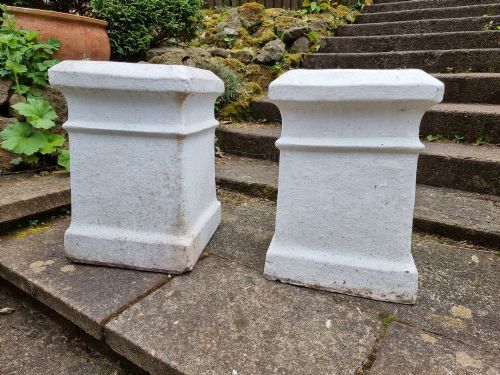
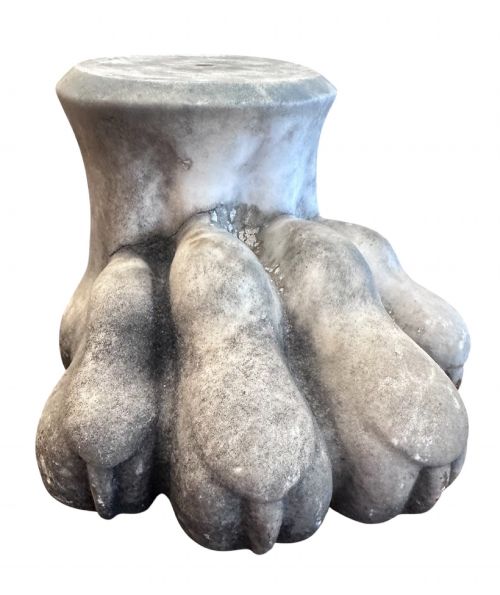
Architectural stone pedestals take many sculptural and structural forms, ranging from garden plinths and staddle stones to classical columns and funerary altars. When searching for architectural stone pedestals, the buyer encounters pieces carved from solid blocks or cast from durable aggregates to support heavy statuary and ornamental objects.
The selections span distinct historical periods, with nineteenth-century examples appearing alongside eighteenth-century vernacular items and later twentieth-century interpretations. These supports function both as standalone architectural salvage and as functional display bases for busts, vases, and architectural fragments.
Origin and material vary considerably across the group, shifting from Italian Carrara marble to English sandstone and reconstituted stone compositions. Buyers find both monumental courtyard items and smaller interior display pieces suited to neoclassical or Gothic settings.
What varies in quality
The authority of the carving distinguishes superior examples, where crisp acanthus leaves, deep undercutting, and correct classical proportions reflect the hand of a skilled sculptor. Weaker pieces display blunt edges, softer relief work, and proportions that deviate from historical architectural rules.
The integrity of the material dictates longevity and presence, separating dense marbles and hard sandstones from porous or overly friable compositions. Natural weathering on outdoor garden pedestals adds character when the stone retains its structural definition and crisp carved profiles.
Architectural Stone Pedestals Retail Price Guide 2026
Typical asking prices for architectural stone pedestals among the pieces listed under this phrase on Sellingantiques today, from the lower quarter to the upper quarter. They describe what is for sale here now, not the wider market.
Periods represented span the eighteenth century, nineteenth century, 1870, 1910, Edwardian, and 1950.
The Architectural Stone Pedestals Glossary
- Staddle stone
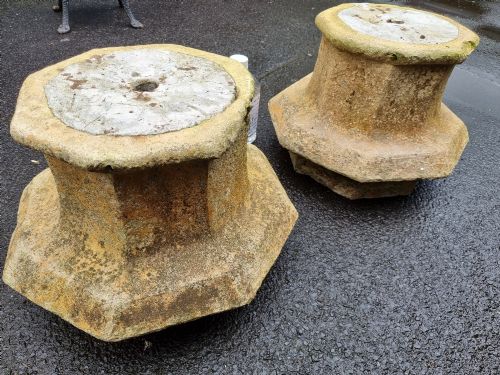
- A mushroom-shaped stone support originally used to elevate granaries and sturdily keep out vermin and damp. These agricultural blocks now frequently serve as garden pedestals.
- Corinthian capital
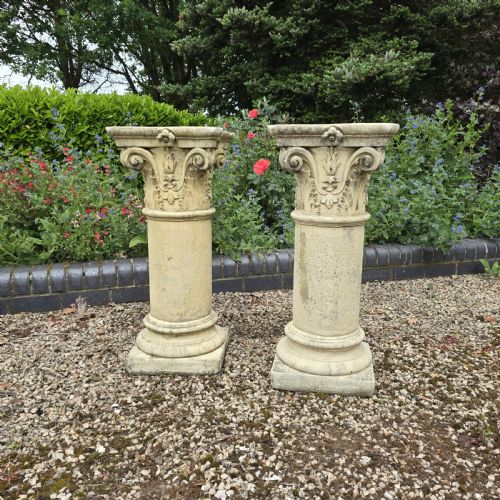
- The uppermost decorative member of a column, characterised by ornate carved acanthus leaves and scrolls. This classical order appears on freestanding columns and limestone fragments.
- Grand tour souvenir
- A portable object, such as a specimen marble obelisk, acquired by wealthy travellers in Italy during the eighteenth and nineteenth centuries. These items miniaturised classical architecture for domestic display.
- Reconstituted stone
- A manufactured material made from crushed natural stone aggregate and a binding agent, moulded to resemble quarried block. This technique allowed reproducible garden ornaments and plinths.
Architectural Stone Pedestals: Frequently Asked Questions
Where should I place a stone pedestal?
These pieces suit both interior rooms and sheltered garden locations, depending on their material and finish. Marble and alabaster examples require indoor placement away from damp conditions, while sandstone and cast stone handle outdoor environments.
Pair a tall column or plinth with a bust, urn, or architectural fragment to create a strong focal point in a hallway, reception room, or terrace.
How do I clean an antique stone pedestal?
Dust natural marble and alabaster surfaces gently with a dry, soft cloth to avoid scratching the polished stone. Avoid harsh chemical cleaners or abrasive scouring pads that strip historical patination.
Outdoor sandstone and limestone items tolerate careful washing with clean water and a soft-bristle brush to remove accumulated dirt and moss without damaging the original surface.
Are these pedestals weatherproof?
Durability outdoors depends entirely on the specific stone composition and the severity of local winter frosts. Dense sandstones and cast stone generally withstand external conditions when raised slightly off damp ground.
Marble, alabaster, and painted or composite elements suffer from water penetration and freezing temperatures, making them safest inside domestic interiors or conservatories.
How can I tell the period of a stone pedestal?
Dating relies on observing tool marks, weathering patterns, material choices, and the specific architectural style employed by the maker. Nineteenth-century examples often reflect revival movements like Gothic Revival or Neoclassical taste.
Compare the carving depth and proportion against known historical prototypes, noting whether the piece shows hand-chiseled surfaces or nineteenth-century mechanical preparation.