







Outdoor Urn on Stand
Outdoor urn on stand pieces bring classical garden architecture into patios and grounds, offering height and structure that traditional low planters simply cannot match.
Outdoor Urn on Stand
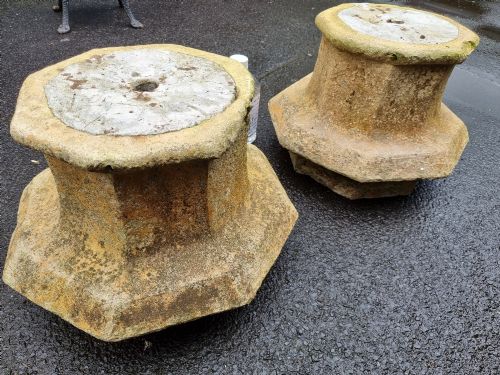
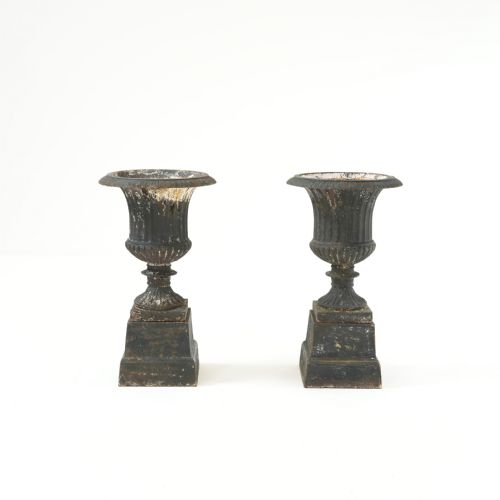
When you search for an outdoor urn on stand, you encounter a distinct garden ornament combining a vessel for planting with a dedicated plinth or pedestal. These pieces arrive from the 19th Century, Victorian, Edwardian, and 1950 periods, bringing architectural presence to garden layouts. You will frequently find cast iron forms, alongside composite stone, reconstituted stone, and stoneware iterations.
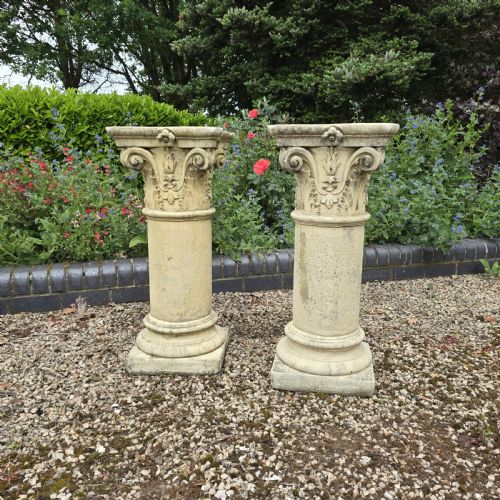
The styles range from Neoclassical and Gothic Revival to French Country and Victorian Novelty, including specific motifs like acanthus leaves and shrimp forms. The combinations pair garden urns and garden planters directly with garden pedestals, plinths, and Corinthian columns. Such arrangements elevate greenery above ground level, creating focal points along paths and terraces.
How they were made
Makers utilised durable foundry and masonry techniques, casting iron into moulds or carving and casting stone composites to withstand weathering outdoors. Cast iron examples demand careful pattern-making and metal pouring, resulting in crisp decorative details like classical fluting or figural novelties. Stoneware and composite stone versions rely on aggregate mixes pressed into forms to achieve solid, weighty proportions.
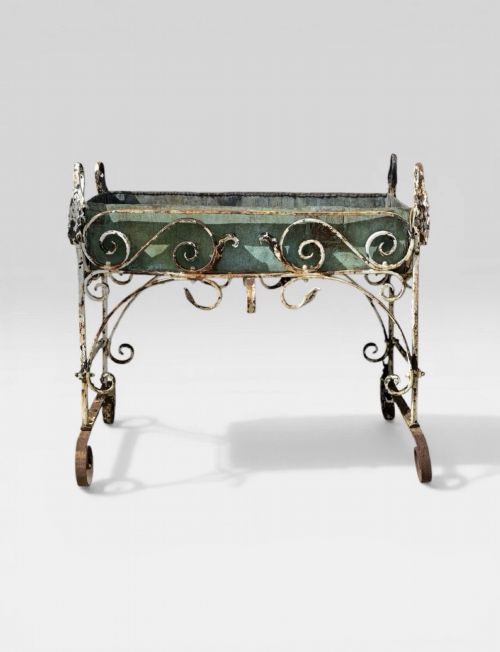
Paint finishes often protected metal surfaces, while unpainted stone and iron developed natural patinas through exposure to the elements over decades. Wrought iron elements involved manual shaping and joining by blacksmiths, creating structural supports and decorative plant holders that complemented heavier cast vessels.
Outdoor Urn on Stand Retail Price Guide 2026
Typical asking prices for outdoor urn on stand among the pieces listed under this phrase on Sellingantiques today, from the lower quarter to the upper quarter. They describe what is for sale here now, not the wider market.
Current listings feature cast iron, composite stone, and stoneware materials across 19th Century, Victorian, and Edwardian periods.
What varies in quality
Quality rests in the crispness of the casting and the architectural proportion between the urn vessel and its supporting stand. Pieces originating from notable foundries display sharper relief in decorative elements such as acanthus leaves or classical figures compared to later or simpler reproductions.
The integrity of the material division matters greatly, particularly where cast iron has resisted deep oxidation or where stone composites retain their structural density without extensive crumbling. Matching pairs demonstrate superior initial investment and careful preservation compared to assembled or mismatched combinations.
Coalbrookdale
The Outdoor Urn on Stand Glossary
- Campana urn
- A bell-shaped garden vessel with an everted rim, widely produced in cast iron and stone during the 19th Century. This classical silhouette derives from ancient Roman pottery forms.
- Plinth
- A heavy rectangular or square base supporting a column, statue, or urn to elevate it from the ground. In garden design, these structural blocks establish distinct vertical hierarchy.
- Composite stone
- A manufactured material combining stone dust or aggregates with a binder to replicate natural carved stone. It provides durable stability for garden ornaments exposed to frost.
- Neoclassical
- A design style drawing inspiration from the classical art and architecture of ancient Greece and Rome. It frequently incorporates symmetry, acanthus foliage, and formal urn profiles.
Outdoor Urn on Stand: Frequently Asked Questions
What periods do these urns come from?
The pieces span the 19th Century, Victorian, Edwardian, and mid-20th Century eras. Each period brings distinct manufacturing techniques and stylistic preferences to the garden.
Victorian and 19th Century examples frequently feature heavy cast iron or detailed stone, while later 20th Century items introduce alternative cast compositions.
Are the urns and stands fixed together?
Most garden urns rest securely on top of their designated pedestals or plinths rather than being permanently fixed. This modular construction aids in transport and positioning.
Weight alone usually keeps the upper vessel stable on the base, though larger iron and stone assemblies possess substantial mass.
How do I care for cast iron outdoors?
Cast iron garden ornaments require periodic inspection for surface rust and weathering. Applying protective paint coatings helps preserve the metal integrity over decades.
Keeping drainage holes clear prevents trapped water from expanding during freezing winter temperatures and cracking the vessel.
What is the difference between a plinth and a pedestal?
A plinth typically refers to a shorter, block-like rectangular base, whereas a pedestal often implies a taller column or classical support structure. Both serve to elevate garden urns into prominent sightlines.
Listings often use these terms interchangeably to describe the supporting stand beneath the planter.