

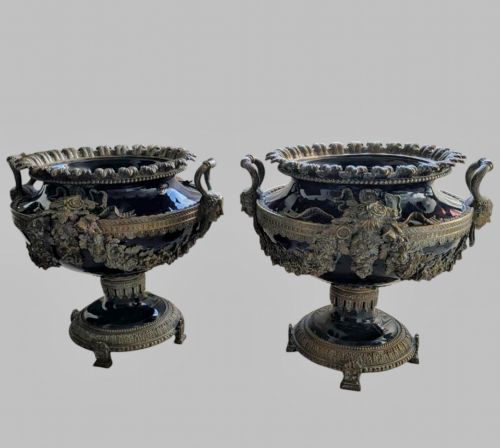
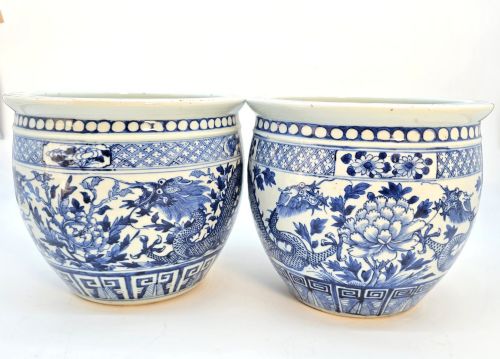
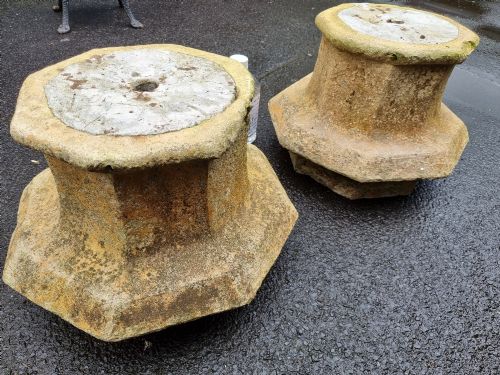
Pair of Planters
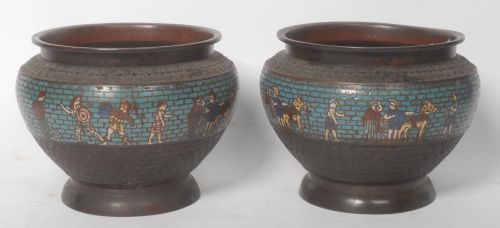
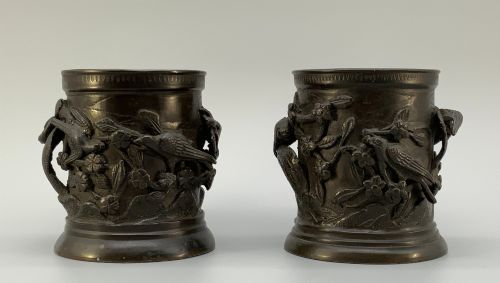
A pair of planters grounds a garden scheme or anchors a room with symmetry, bringing together cast iron, terracotta, and polished brass to frame living greenery.
Pair of Planters
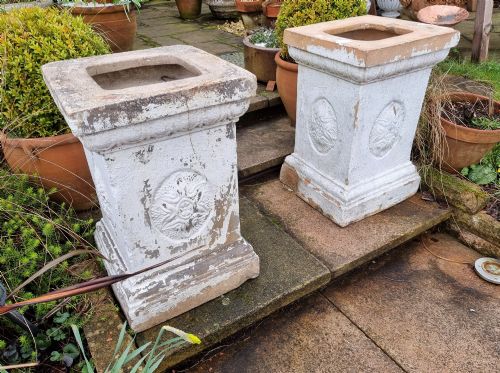
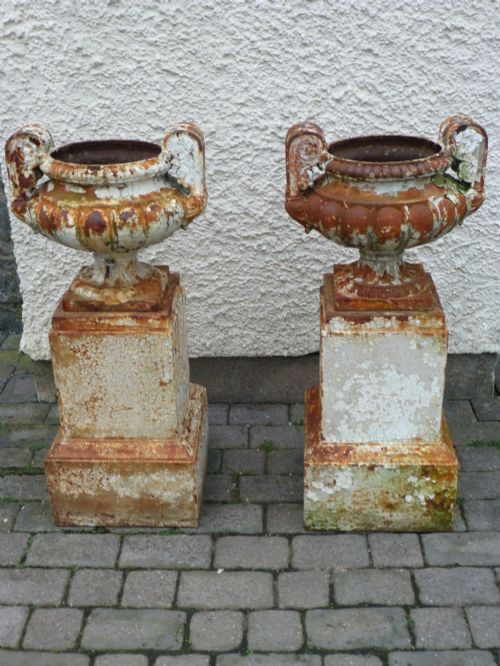
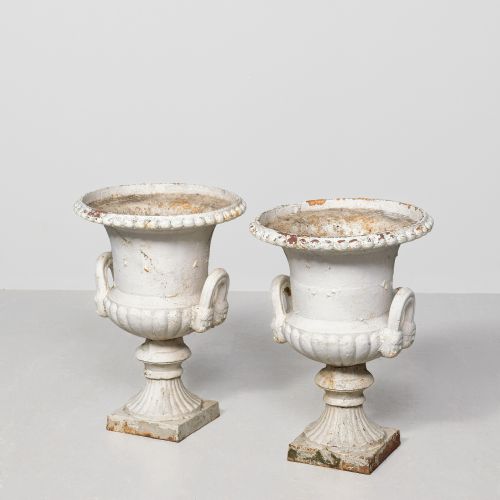
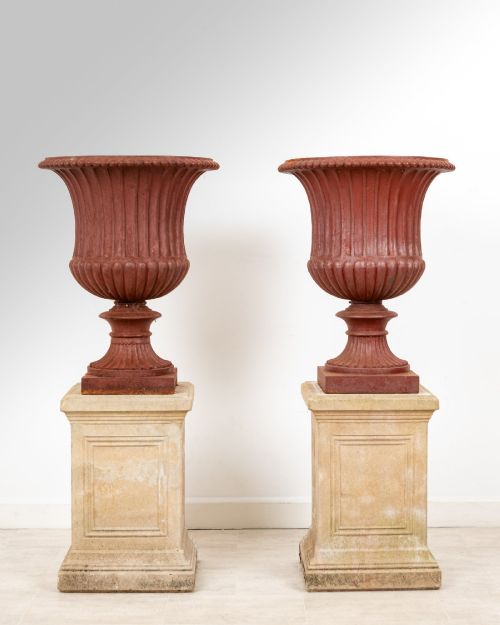
When searching for a pair of planters, buyers encounter a wide variety of forms designed to hold flora both indoors and out, spanning classical urns to rustic troughs. The most frequent iteration on this page is the heavy cast iron Campana urn, typically elevated on a stone or iron plinth and originating from the nineteenth century.
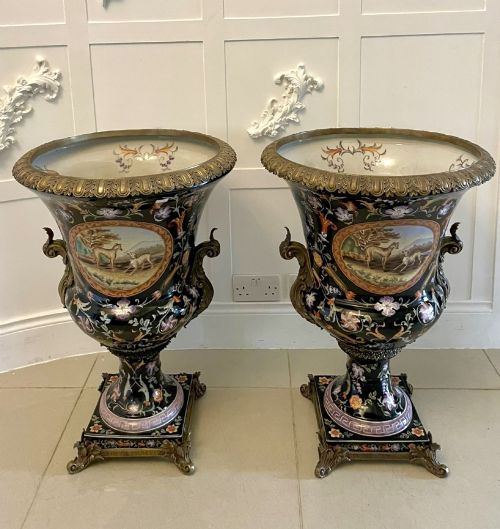
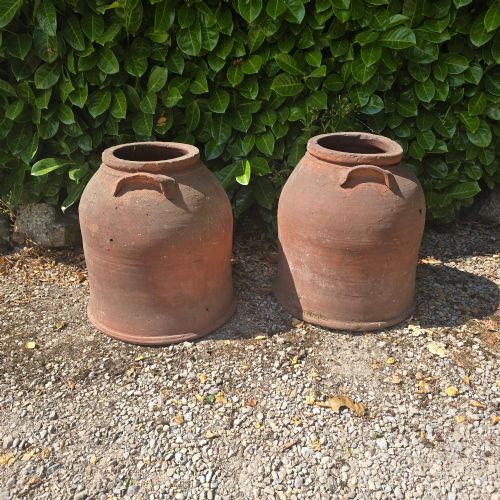
Beyond garden urns, the selection encompasses interior jardinières fashioned from brass, porcelain, and ceramic, alongside specialised vessels like rhubarb forcers and strawberry planters. These items serve a dual function of practical horticulture and architectural decoration.
The materials reflect their intended placement, with durable stone, lead, and cast iron weathering external elements, while delicate copper, porcelain, and ormolu adorn domestic reception rooms.
Materials and Techniques
Foundry casting defines the heavy metal items, utilising molten iron poured into sand moulds to create crisp classical motifs and robust structural walls. Skilled metalworkers then finished these pieces with paint or allowed them to develop a natural verdigris.
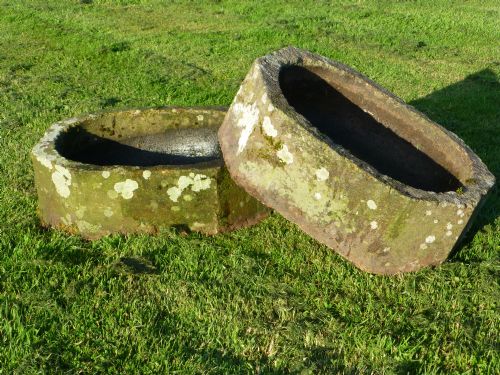
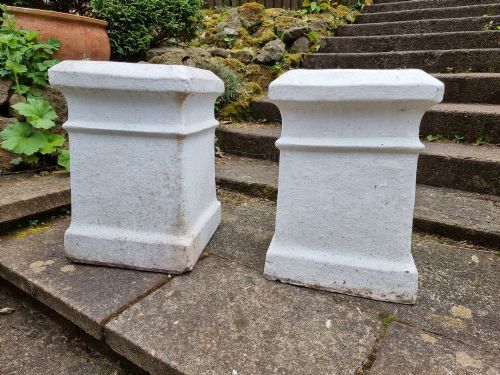
Ceramic and terracotta versions rely on clay thrown, pressed, or moulded before undergoing kiln firing, sometimes finished with salt glazes or vibrant dripped surface decoration. Stonework and reconstituted stone depend on hand-carving or composite casting to achieve durable architectural forms.
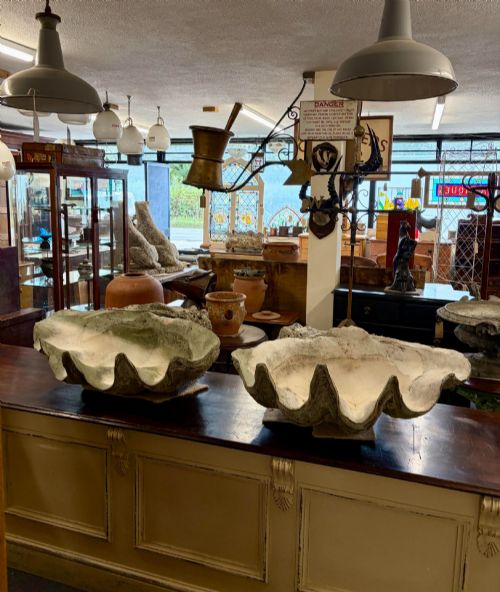
Some Victorian ironmasters cast garden vessels directly in the anatomical likeness of giant marine shrimp.
Distinctions in Quality
Quality in these items rests upon the crispness of the casting or carving, where finer examples display sharp relief detailing in foliage, handles, and classical motifs rather than softened, worn edges from degraded moulds. The integrity of the material itself, whether dense hand-carved gritstone, thick lead, or heavy cast iron, dictates both longevity and structural weight.
Proportion and the retention of original matching components, such as corresponding plinths, lids, or paired bases, elevate the desirability of a set. Surface history also plays a role, as genuine weathered paint layers or stable patinas indicate age and proper outdoor survival without compromising structural soundness.
Dunfermline Clay Company·Falkirk Carron foundry·Coalbrookdale·LEFCO
The Pair of Planters Glossary
- Campana urn
- A bell-shaped garden vessel with a flared rim, frequently mounted on a pedestal base. This form derives from classical antiquity and dominated Victorian garden design.
- Jardinière
- An ornamental pot or stand designed to hold a plant or flower arrangement indoors. These often feature decorative ceramic, brass, or porcelain construction.
- Verdigris
- The green patina formed naturally on copper, brass, or bronze surfaces through atmospheric oxidation. Collectors often prize this stable chemical layer for its visual depth.
- Terracotta
- Fired unglazed clay possessing a porous red-brown body utilised for horticultural vessels. It allows plant roots to breathe while developing a characteristic weathered surface over decades.
- Tazza
- A shallow saucer-like dish or urn mounted on a stem and foot, frequently carved from marble or cast in metal. It serves as a formal display vessel for plants or decorative fruit.
Pair of Planters: Frequently Asked Questions
How do I choose between iron and stone planters?
Cast iron offers intricate relief moulding and slender profiles that withstand heavy frost when properly maintained. Reconstituted and natural stone provide monumental weight and a porous surface that absorbs moisture.
Consider the scale of the intended setting and whether the vessels require seasonal relocation. Iron suits formal terraces, while stone anchors permanent garden vistas.
How do I care for antique metal planters?
Cast iron requires periodic inspection for rust, which should be treated and repainted using suitable protective coatings. Copper and brass items benefit from preserving their natural patina rather than aggressive polishing.
Ensure drainage holes remain clear to prevent expanding ice from cracking the metal during freezing conditions.
How can I tell if a pair is genuinely matched?
Examine the casting seams, tool marks, and overall dimensions to confirm identical manufacture. Minor discrepancies often reveal that two individual antique vessels were paired together later in their lifespan.
Matching patination and uniform wear patterns across both pieces confirm they spent their histories side by side.