




Pair of Lid Urns
When you search for a pair of lid urns, you find symmetrical lidded vessels fashioned for display across multiple centuries and diverse materials.
Pair of Lid Urns
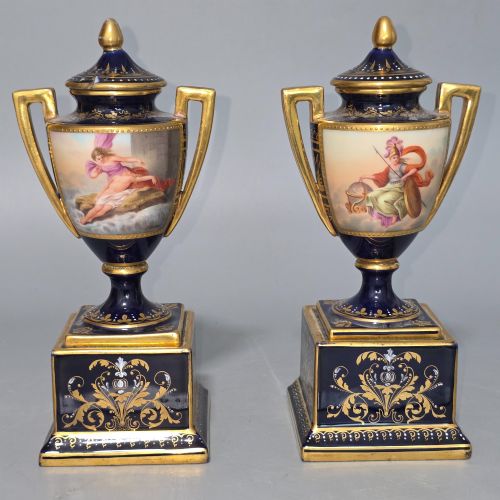
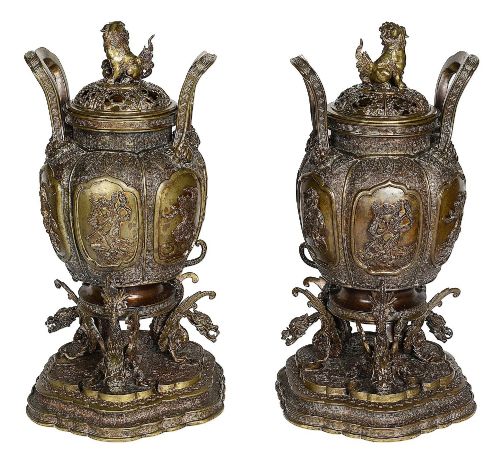
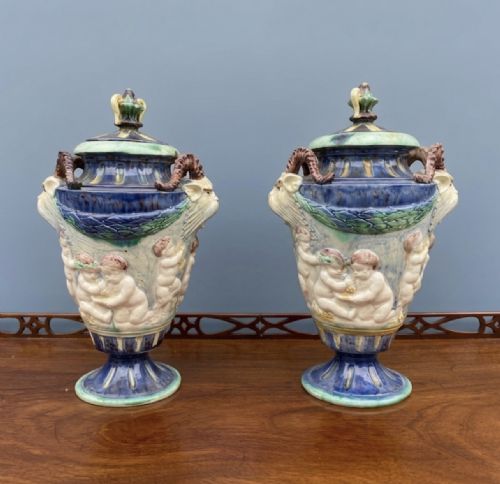
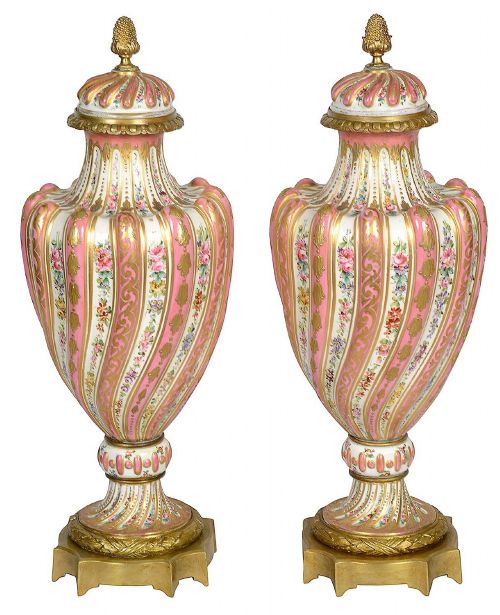
A pair of lid urns comprises matched lidded vessels designed primarily for decorative display, drawing upon historical forms such as classical campana shapes, ginger jars and amphora vases. The examples met on this page span several centuries, with a heavy concentration of nineteenth-century European porcelain, earthenware and bronze creations.
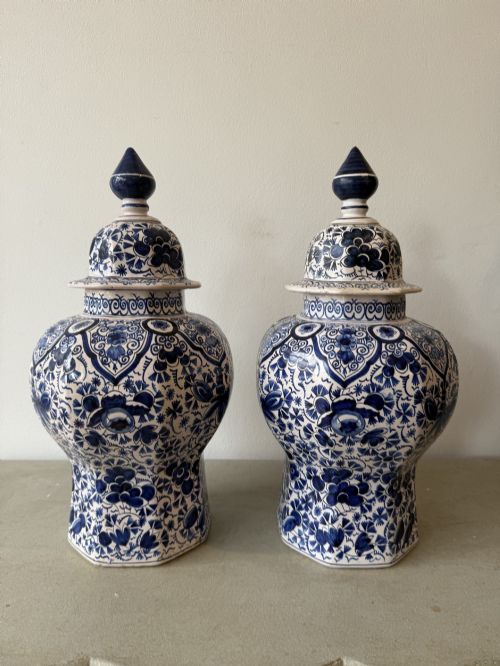
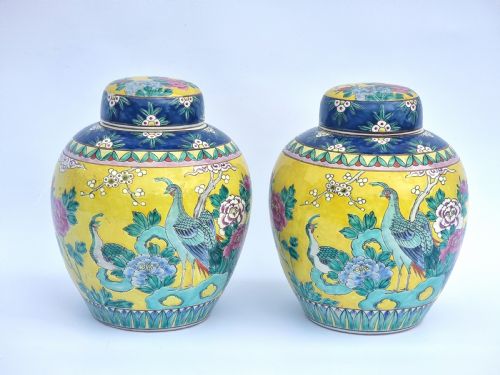
These matched pairs served traditionally as mantel ornaments, cabinet centrepieces or architectural garnitures in grand interiors. Buyers encounter them configured as ginger jars, potpourri containers, cutlery urns and grand decorative vases fitted with their original covers.
How They Were Made
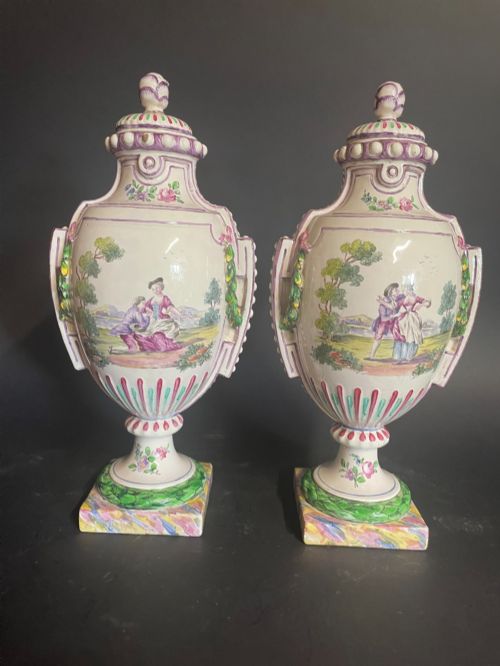
Potters and ceramists shaped these vessels using traditional methods in clay, porcelain, ironstone, faience and terracotta, frequently applying detailed hand-painted pigments and coloured glazes under or over the final surface. Japanese workshops employed techniques in cloisonné enamel alongside blue and white underglaze painting on porcelain bodies.
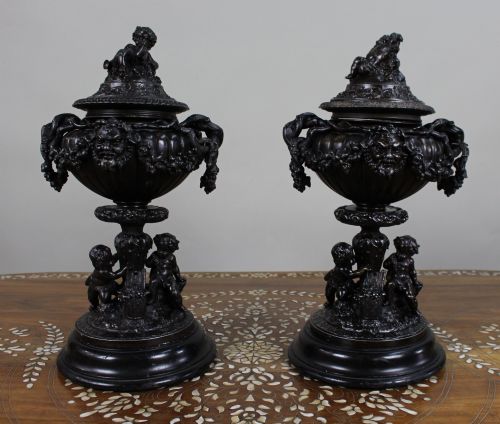
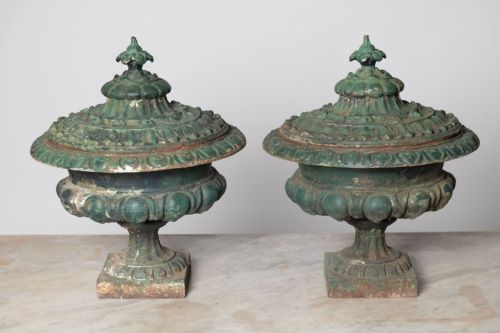
Metalworkers cast bronze, ormolu, gilt bronze, spelter and cast iron to form sculptural urns adorned with classical masks, handles and figurative details. Woodworkers turned mahogany, burr fruitwood and ivory to construct sophisticated classical vessels featuring inlaid details and metal mounts.
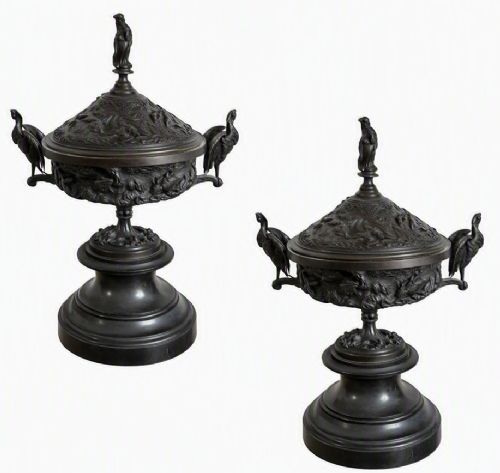
Storks grace a nineteenth-century French bronze pair, reminding us that even monumental urns appreciate a bird sighting.
What Varies in Quality
Completeness and original condition heavily influence the standing of a pair, particularly the survival of matching original lids and harmonious firing colours across both vessels. The integration of high-grade materials, such as solid marble, fire-gilded bronze or fine-paste porcelain, elevates the ambition of the piece.
Jules Moigniez·F. Koller·Mason·Richard Budd
The Pair of Lid Urns Glossary
- Campana
- A bell-shaped classical urn profile often supported on a pedestal foot. This form originates from ancient metal and stone vessels.
- Garniture
- A matched set of ornamental vases or urns designed to stand together on a mantelpiece or furniture top. These sets typically include three or more pieces, though pairs frequently occur.
- Spelter
- A zinc alloy utilised as a less costly alternative to bronze for sculptural castings. It takes metallic patination well and mimics heavier bronze work.
- Imari
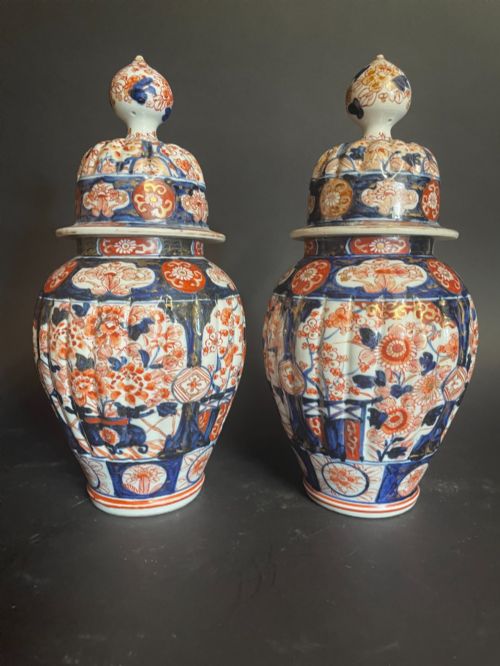
- Japanese export porcelain decorated in underglaze blue, iron red and gilt. This distinctive style gained immense popularity across European interiors during successive centuries.
- Amphora
- A tall two-handled jar used historically for storage, translated in later decorative arts into an ornamental vessel form. These pieces often feature classical figural handles.
- Faience
- Tin-glazed earthenware produced widely across France and Europe. The opaque white glaze provides a smooth ground for painted decoration.
Pair of Lid Urns: Frequently Asked Questions
What were lid urns used for originally?
These matched vessels functioned primarily as decorative garnitures to adorn mantelpieces, sideboards and architectural display spaces in wealthy interiors.
Some specialised variants, such as cutlery urns, served a practical purpose on dining room sideboards to house tableware securely.
How can I tell Japanese Imari from Chinese porcelain?
Japanese Imari typically displays a denser palette combining underglaze cobalt blue with rust red, iron red and gold leaf highlights. The paste and glaze characteristics also differ between Japanese kilns and Chinese export production.
Examining the base and the weight of the ceramic helps identify the specific regional origin.
Are these lids usually original to the urns?
Many surviving pairs retain their original matched covers, which is an important consideration for collectors and interior decorators alike. Replacement lids do occur due to accidental breakage over centuries of use.
Checking the fit, glaze consistency and wear patterns helps determine if the cover belongs to the base.
How do I style a pair of urns at home?
Place them symmetrically on a sideboard, console table or deep mantelpiece to create a balanced focal point in a room. They work well as standalone decorative objects or flanked by smaller decorative items.
Ensure the scale of the furniture suits the height and bulk of the vessels.