
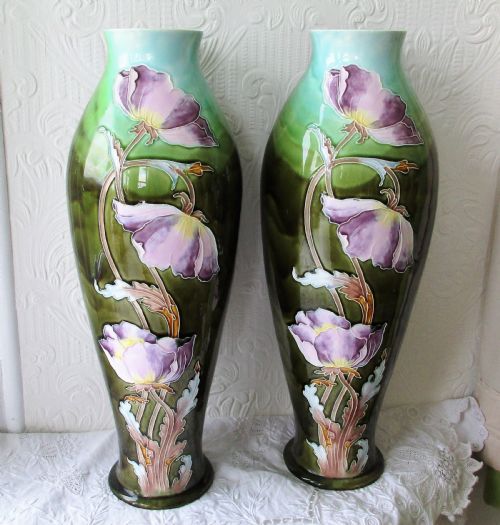


French Faience Urn
These french faience urn pieces bring tin-glazed earthenware and vibrant pottery styles straight to your mantelpiece.
French Faience Urn
When you search for a french faience urn, you are looking at ceramic vessels shaped as vases, jars, and covered urns formed in tin-glazed earthenware. The pieces on this page span several centuries, reaching from the eighteenth century through the nineteenth century and into the early twentieth century.
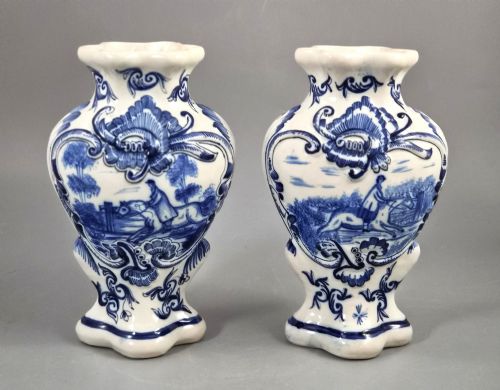
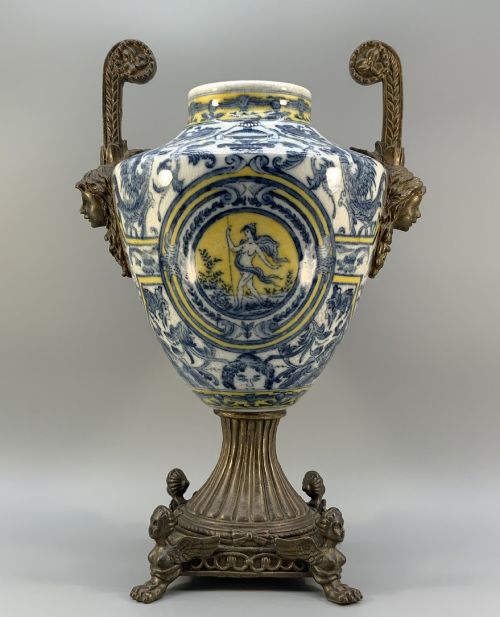
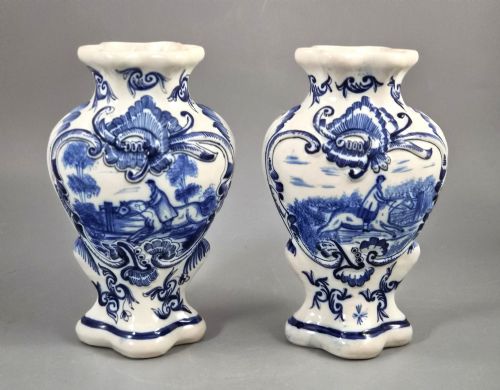
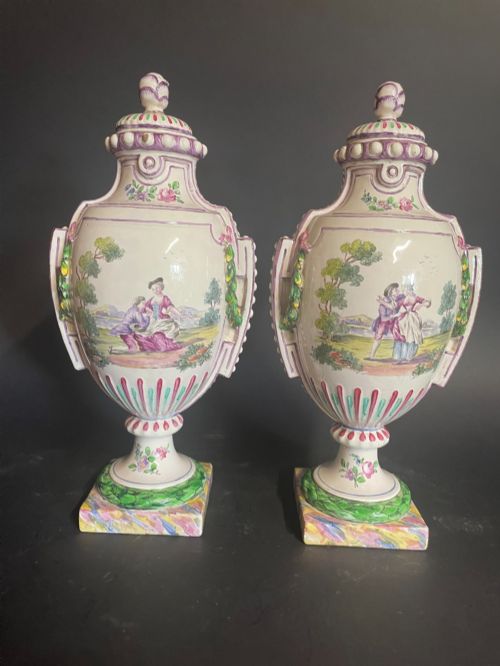
You will encounter various interpretations, including blue and white designs, manganese blue palettes, and polychrome enamelled compositions. Forms range from lidded decorative urns and posy vases to converted table lamps fitted with brass or bronze mounts.
Materials and construction methods
Makers shaped these vessels from earthenware and ceramic bodies before applying an opaque tin-glaze. Painters then decorated the tin-glazed surfaces by hand in cobalt blue, manganese, and polychrome enamels.
Many of the nineteenth-century examples incorporate cast metal elements, utilising brass or bronze mounts, handles, and fittings to elevate the decorative status of the ceramic body.
Materials recorded across the selection span ceramic, earthenware, tin-glaze, brass, and bronze mounts.
Distinguishing quality across the range
The standard of a french faience urn rests upon the crispness of the tin-glaze and the execution of the hand-painted decoration. Finer examples display precise brushwork, balanced polychrome palettes, and deeply saturated blue and white pigments.
The integration of secondary materials also alters the character of a piece. Urns fitted with heavy cast bronze mounts or intact matching covers represent a higher level of workshop output than standard bodies.
Fourmaintraux Courquin·Sceaux·Jules Vieillard
The French Faience Urn Glossary
- Tin-Glaze
- A ceramic glaze made opaque by the addition of tin oxide. This surface provides a smooth white ground for painting before firing.
- Rococo Revival
- A nineteenth-century design style drawing on eighteenth-century asymmetrical scrollwork and shell motifs. It appears frequently on decorative vases and urns from this period.
- Bronze Mounts
- Cast bronze fittings attached to ceramic bodies. They serve decorative functions on nineteenth-century ornamental pieces.
French Faience Urn: Frequently Asked Questions
What is a french faience urn?
A french faience urn is a tin-glazed ceramic vessel created for ornamental display in domestic interiors. These decorative objects take the form of lidded urns, jars, and vases.
Peculiarities in their manufacture include hand-painted cobalt or enamel decoration on a white tin-glaze, occasionally enhanced with brass or bronze mounts.
How were these urns used historically?
These ceramic vessels functioned primarily as decorative mantel ornaments or centrepieces in period drawing rooms. Some iterations served as posy vases for holding cut flowers.
Over time, certain examples underwent conversion into table lamps, integrating electrical fittings with the original ceramic and brass bodies.
How do I date a french faience urn?
Dating relies on stylistic indicators, glaze characteristics, and workshop marks. Eighteenth-century pieces often feature traditional delft-style palettes, while nineteenth-century examples frequently embrace revivalist aesthetics or Art Nouveau curves.
Factory marks and the presence of cast bronze or brass mounts also help anchor pieces to specific periods like the eighteen-eighties or nineteen-hundreds.
How should I display them at home?
These urns suit prominent placement on sideboards, mantelpieces, or designated display tables where their painted glazes can catch the light. Because tin-glazed earthenware benefits from stable indoor environments, keep them away from damp areas.
Pairing matching vases or urns together creates a balanced symmetrical display on larger pieces of furniture.