


Antique Tin Glazed Vase
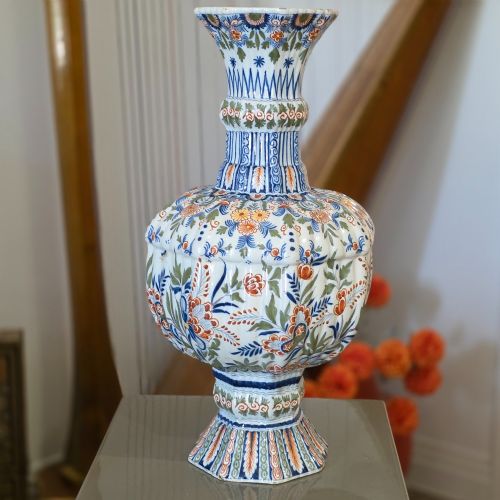
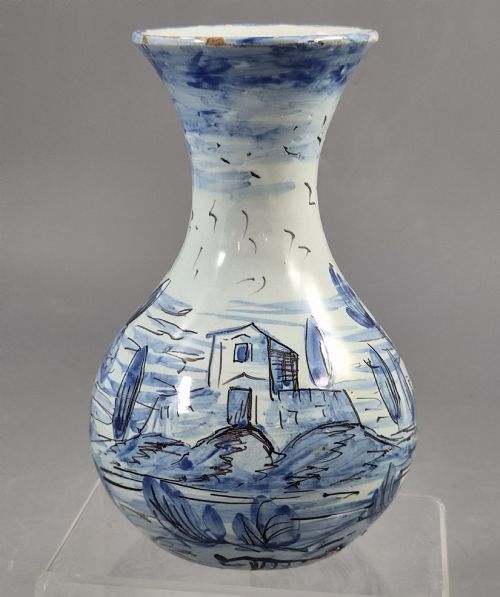
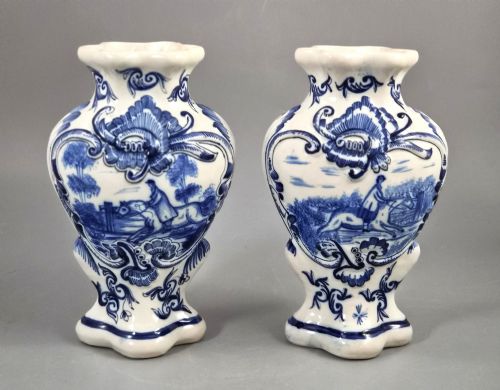
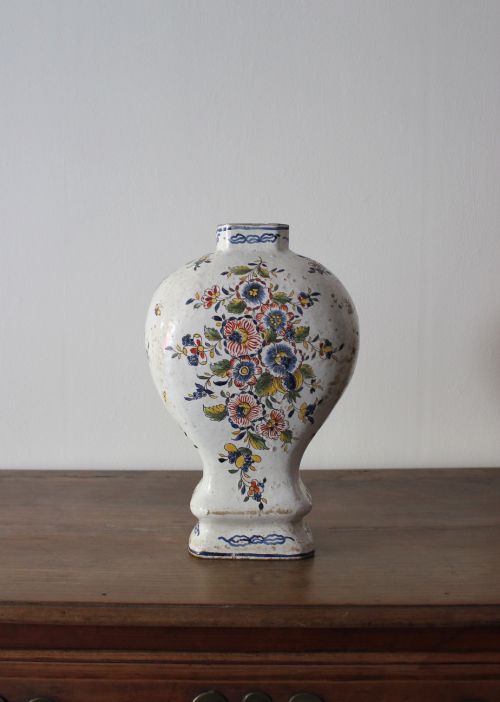
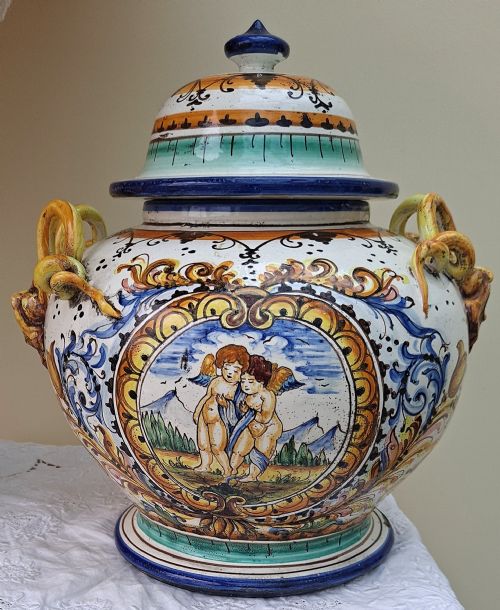
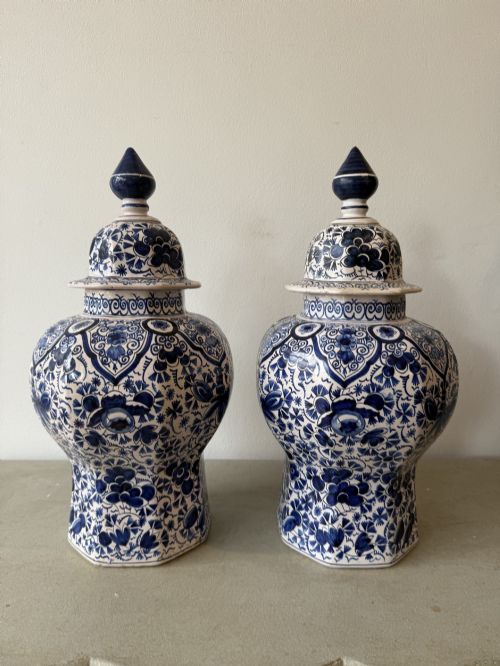
When you search for an antique tin glazed vase, you enter a world of earthen vessels coated in opaque white glaze and painted in blue or polychrome hues.
Antique Tin Glazed Vase
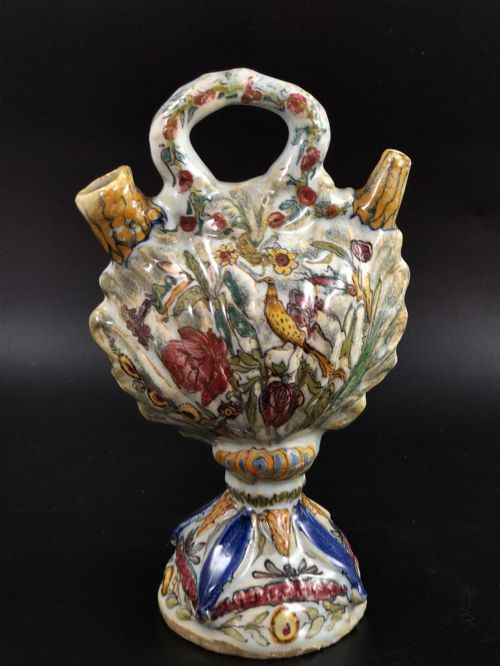
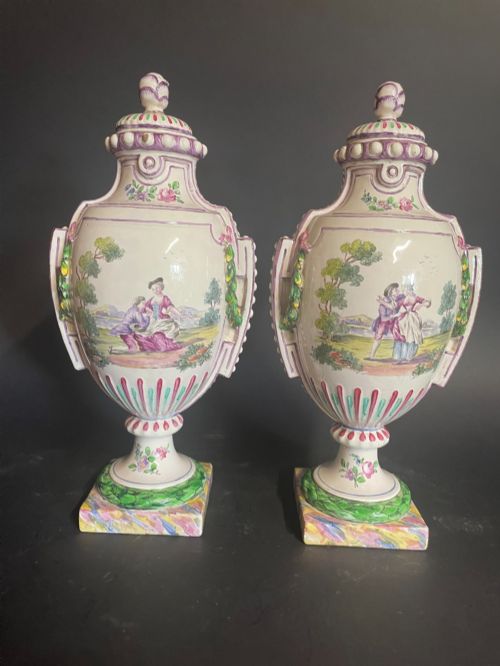
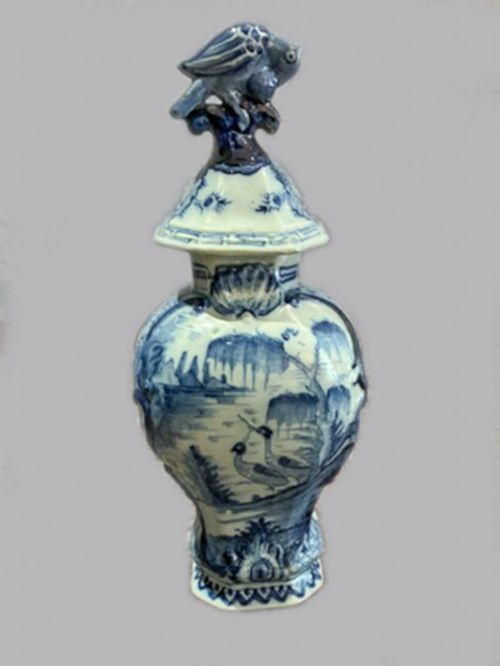
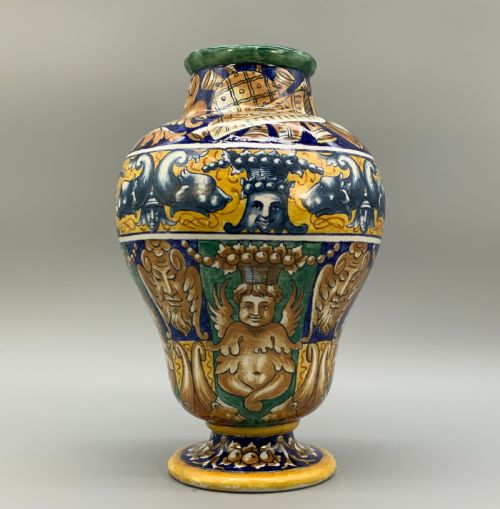
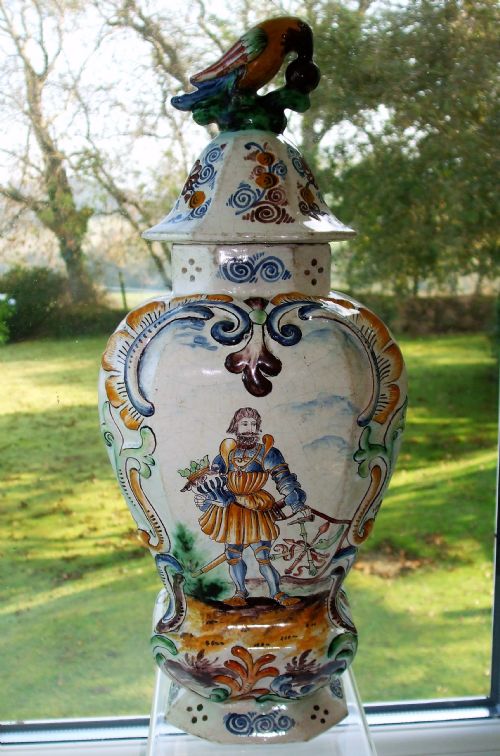
An antique tin glazed vase encompasses a rich variety of ceramic forms, including Dutch Delftware, Italian majolica, and French faience. Collectors encounter baluster shapes, lidded urns, apothecary jars, and pilgrim flasks originating from the seventeenth century onward.
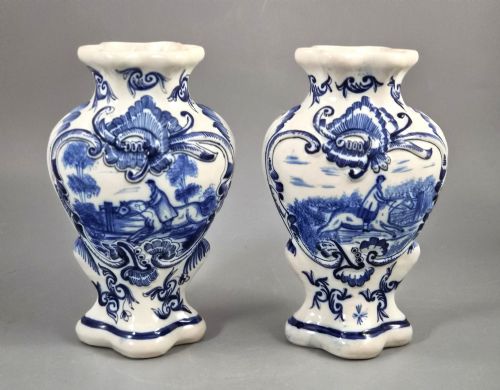
The objects on this page bridge several distinct European traditions. Pieces span from seventeenth-century Dutch Delft blue and white Chinoiserie vessels to nineteenth-century revival works produced by factories in France and Italy.
Materials and production
Potters shaped earthenware bodies and covered them in an opaque tin glaze that provided a smooth white surface for painting. Artisans applied cobalt blue pigments and polychrome mineral oxides directly onto the unfired or raw glaze.
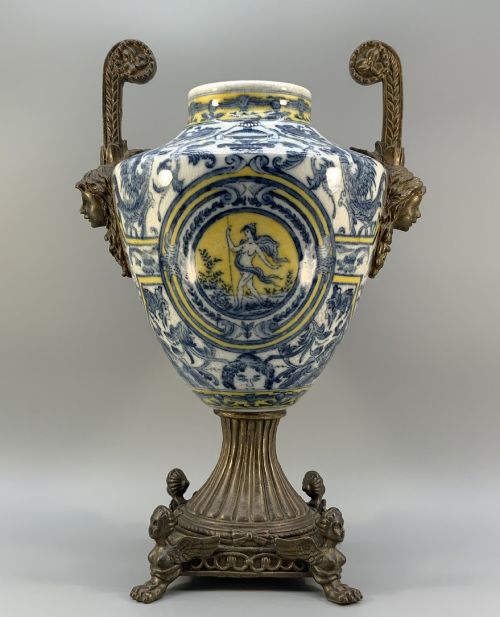
Many items incorporate auxiliary elements such as brass components or bronze mounts. Certain ceramic vessels later underwent conversion into table lamps with electrical wiring.
Listings feature earthenware materials and tin-glazed finishes spanning the seventeenth, eighteenth, and nineteenth centuries.
Judging execution and finish
Quality depends upon the crispness of the hand-painted decoration and the opacity of the tin glaze over the earthenware body. Superior examples display confident brushwork, balanced proportions, and clean kiln separation during firing.
The prestige of the workshop, such as the Three Bells factory or documented makers from Florence and Desvres, distinguishes standard decorative items from exceptional regional works.
Fourmaintraux-Courquin·Cantagalli·Ulisse Cantagalli·Sceaux
The Antique Tin Glazed Vase Glossary
- Tin-Glaze
- A pottery glaze rendered white and opaque by the addition of tin oxide. This surface serves as a ground for painted ceramic decoration.
- Majolica
- Italian tin-glazed earthenware typically adorned with colourful historic or floral motifs. The technique flourished during the Renaissance and saw revivals in the nineteenth century.
- Faience
- European tin-glazed pottery produced primarily in France. Workshops like those in Desvres utilised this method to replicate earlier styles.
- Albarello
- A cylindrical earthenware jar used by apothecaries for storing drugs and ointments. These vessels often feature a waisted profile to facilitate gripping.
- Pilgrim Flask
- A flattened flask with loops for suspension, designed originally for travel. Ceramic makers adapted the shape into ornate decorative vessels.
Antique Tin Glazed Vase: Frequently Asked Questions
What is Italian majolica?
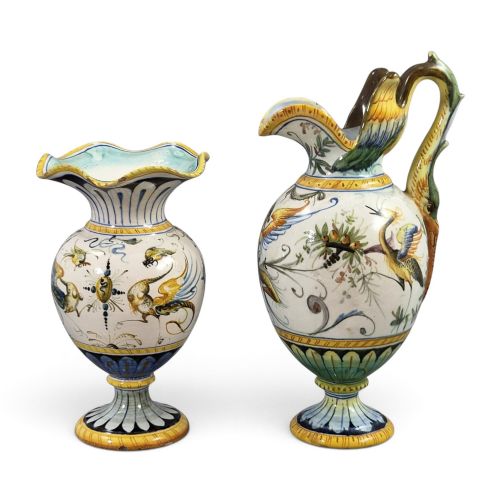
Italian majolica consists of earthenware coated with an opaque white tin glaze and decorated with vibrant mineral pigments. These items often showcase historical, mythological, or botanical narratives developed during the Renaissance.
Later nineteenth-century revival pieces emulate these historic designs with sophisticated application techniques. Collectors look at the palette depth and the precision of the tin glaze coverage across the vessel.
How were apothecary jars used?
Apothecary jars and albarelli served as storage containers for dried herbs, syrups, and pharmaceutical compounds in historical pharmacies. Their distinct waisted shape allowed apothecaries to handle the jars easily on crowded shelves.
Over time, these utilitarian drug jars transitioned into decorative display objects. Their painted labels often indicate the original medicinal contents inside.
Can these vases be used with water?
Most antique tin glazed vessels function best as dry decorative display pieces rather than functional flower holders. Porous historic earthenware and aged tin glaze can be sensitive to prolonged moisture exposure.
Displaying them on tables or within cabinets preserves the fragile glaze integrity. Converted table lamps and lidded urns especially benefit from dry interior maintenance.