





Pair of Chinese Lamps
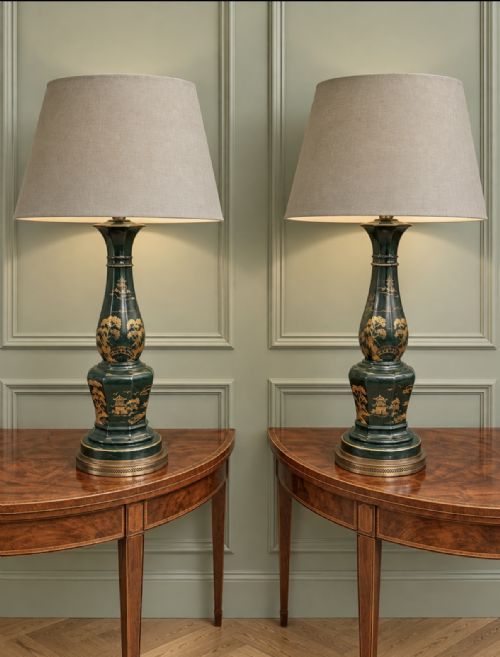
A pair of chinese lamps brings symmetry and rich hand-painted pigment to a room, turning antique ceramics and bronze vessels into practical focal points.
Pair of Chinese Lamps
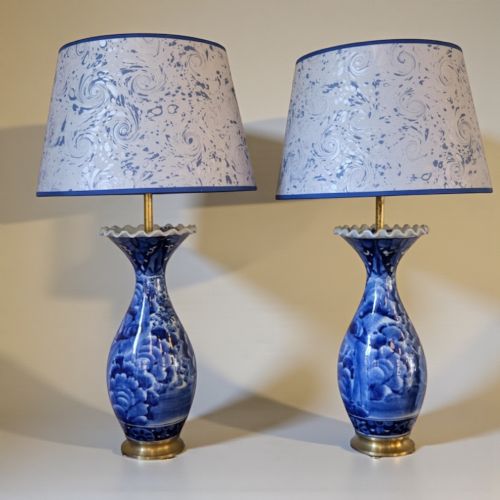
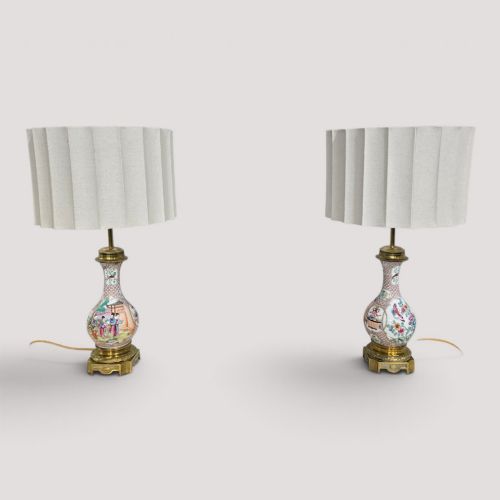
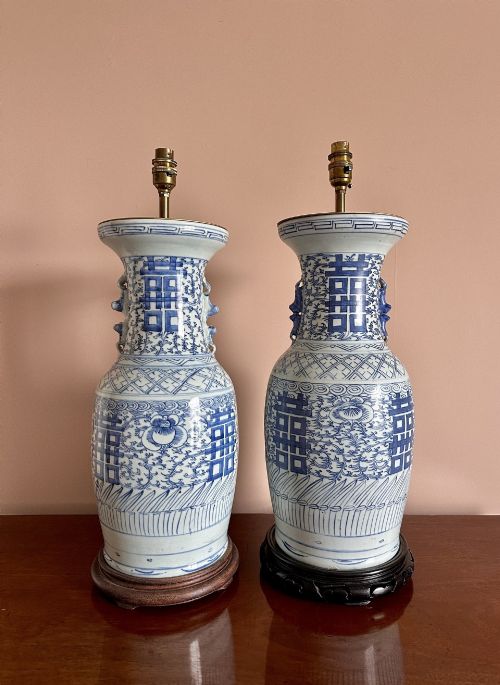
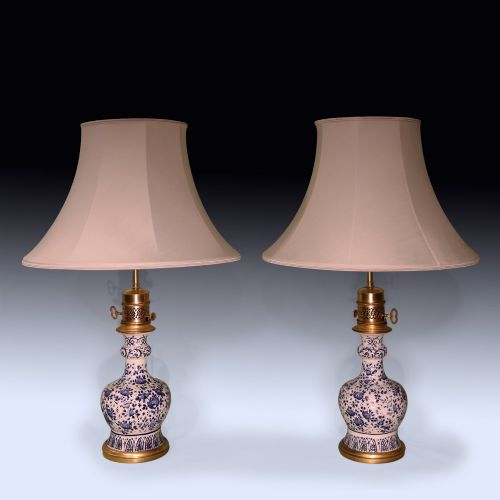
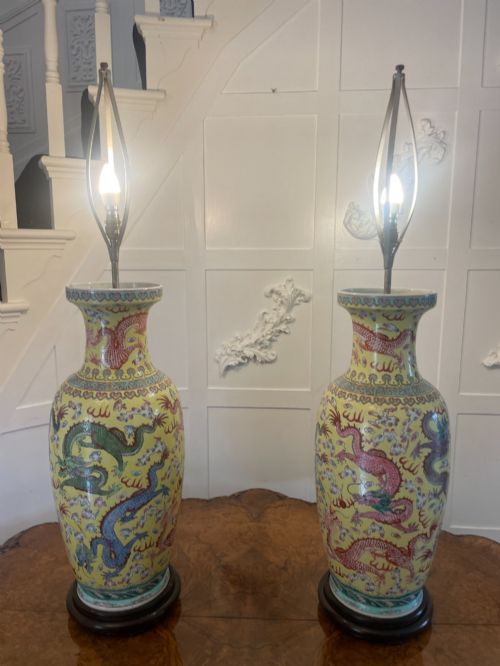
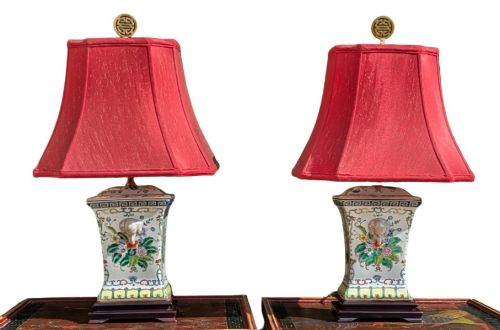
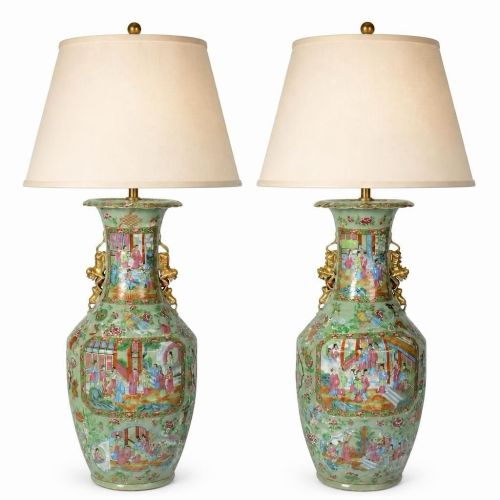
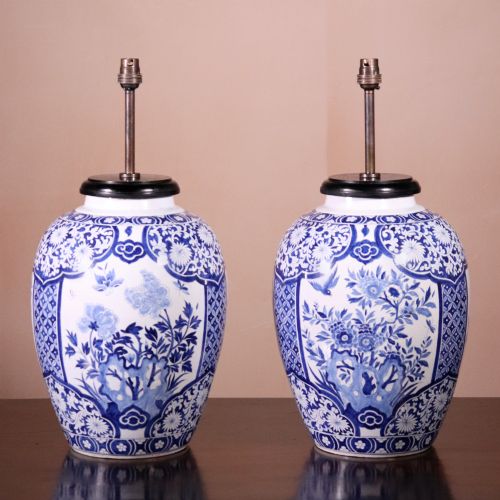
When searching for a pair of chinese lamps, collectors encounter matched pairs of lighting fixtures created by adapting antique vessels such as ginger jars, baluster vases, and rouleau shapes. The selection relies heavily upon nineteenth-century porcelain, including Famille Rose, Famille Verte, Canton, and blue and white crackleware varieties.
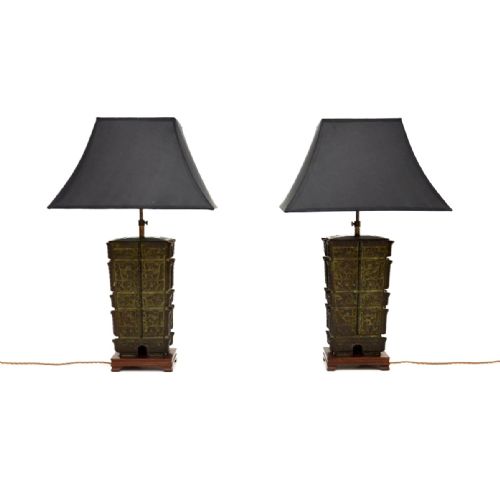
Beyond ceramic vases, these matching sets incorporate cloisonné enamel vessels, bronze works, and carved hardwood stands wired for electricity. Many date from the nineteenth and early twentieth centuries, with occasional eighteenth-century examples appearing mounted in European ormolu.
How they were made
Potters and artisans formed these bodies from hard-paste porcelain, bronze, or beaten copper wire foundations for cloisonné, applying mineral pigments and glazes before high-temperature firing. Many antique vessels spent decades or centuries as decorative objects before being carefully drilled and converted into lamps.
Metalworkers often complemented the Asian bodies with cast brass, gilt bronze, or ormolu mounts, securing the porcelain necks and bases with bespoke hardware during the electrification process.
Pair of Chinese Lamps Retail Price Guide 2026
Typical asking prices for pair of chinese lamps among the pieces listed under this phrase on Sellingantiques today, from the lower quarter to the upper quarter. They describe what is for sale here now, not the wider market.
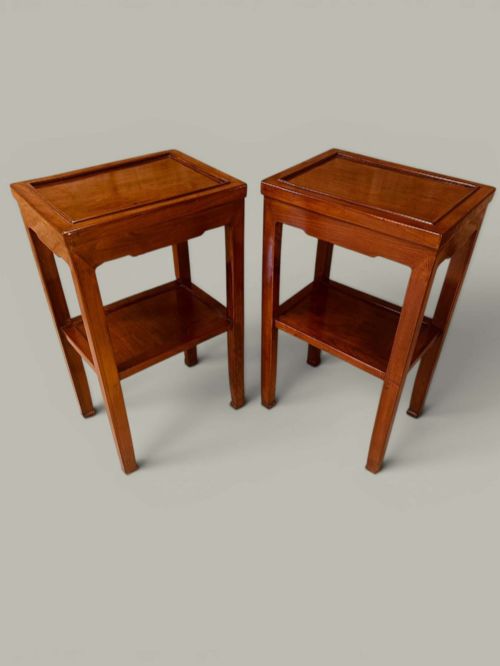
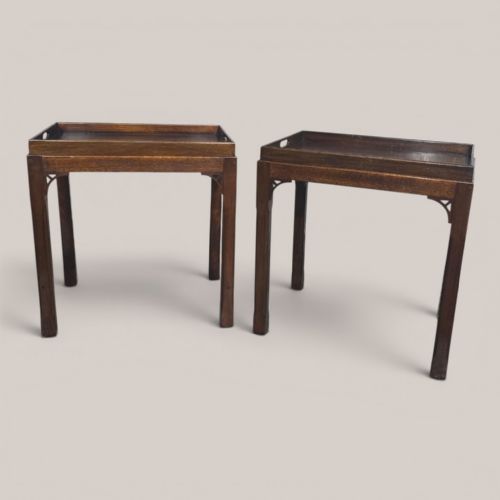
Listings feature traditional Chinese forms including ginger jars, baluster vases, and hardwood tables dating from the eighteenth to the twentieth century.
What varies in quality
Quality rests upon the crispness of the hand-painted enamel details, the depth and vibrancy of the cobalt blues or polychrome palettes, and the symmetry of the matching pair. Superior examples retain their original glaze lustre and display finely chased ormolu mounts that complement rather than overwhelm the ceramic body.
The integrity of the underlying vessel matters significantly, distinguishing professional conversions from clumsy alterations, while the weight and material of the base or mountings indicate the original workshop's standing.
The Pair of Chinese Lamps Glossary
- Famille Rose
- A palette of opaque pink and rose enamels introduced in the eighteenth century. This vibrant colour scheme dominates many nineteenth-century floral and figural jar designs.
- Cloisonné
- A metalwork technique where flat wire is soldered to a bronze or copper body to create cells, which are then filled with enamel paste and fired. Finished surfaces are polished smooth to reveal intricate metallic outlines.
- Ormolu
- Sub-gilt bronze mounts cast and chased in European workshops to adorn imported Asian porcelain. These decorative frames were frequently added to eighteenth and nineteenth-century vases.
- Crackleware
- A ceramic glaze characterised by a network of deliberate microscopic cracks. This finish appears commonly on nineteenth-century blue and white vases.
- Blanc de Chine
- A white porcelain manufactured in Dehua, featuring a milky, ivory glaze. Pieces often take the form of figures such as Shi Lions or Buddhist deities.
Pair of Chinese Lamps: Frequently Asked Questions
Were these made as lamps originally?
Almost none of these vessels were manufactured as lighting fixtures. The vast majority started life as ginger jars, temple vases, or decorative beaker vessels before undergoing later conversion into lamps.
This adaptation process typically took place in the nineteenth or twentieth century to suit Western interiors. Vases were selected as matched pairs precisely because their balanced proportions translated well to domestic lighting.
How should I clean porcelain lamps?
Dust the ceramic surfaces gently using a soft, dry microfibre cloth to protect the hand-painted enamels and glazes. Avoid chemical solvents, abrasive pads, or submerging the wired body in water.
Brass or ormolu mounts benefit from occasional light dusting with a dry brush. Professional electrical safety checks should be conducted periodically by a qualified specialist.
What does ormolu mounting indicate?
Ormolu mounts demonstrate that an Asian vessel was deemed high-status in the West, prompting fine metalwork adornment. These cast and gilded bronze collars and bases served to elevate the status of the piece.
French and British makers frequently added these mounts during the nineteenth century. Such additions help historians narrow down the period of the conversion.