
Pair of Ceramic Vases
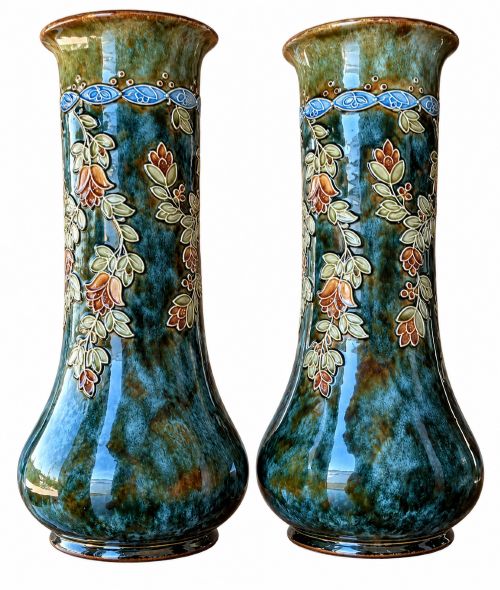
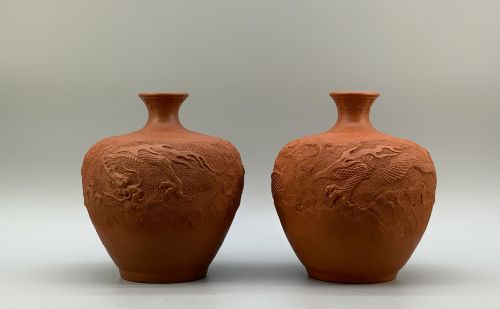
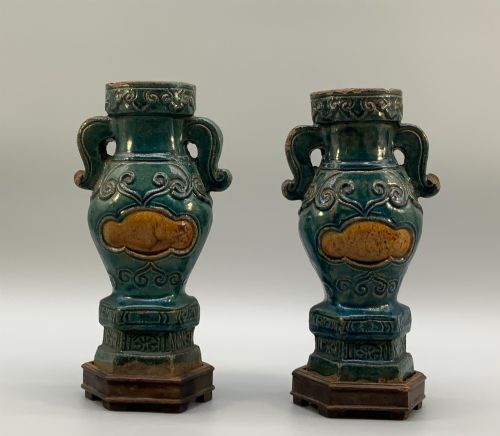
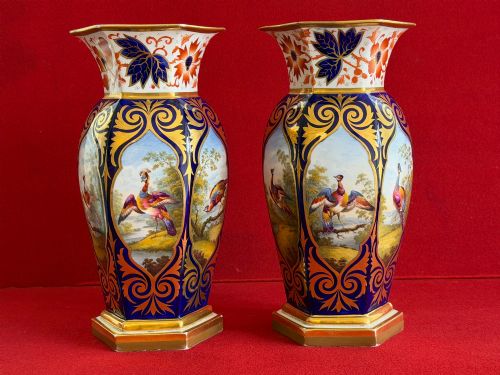
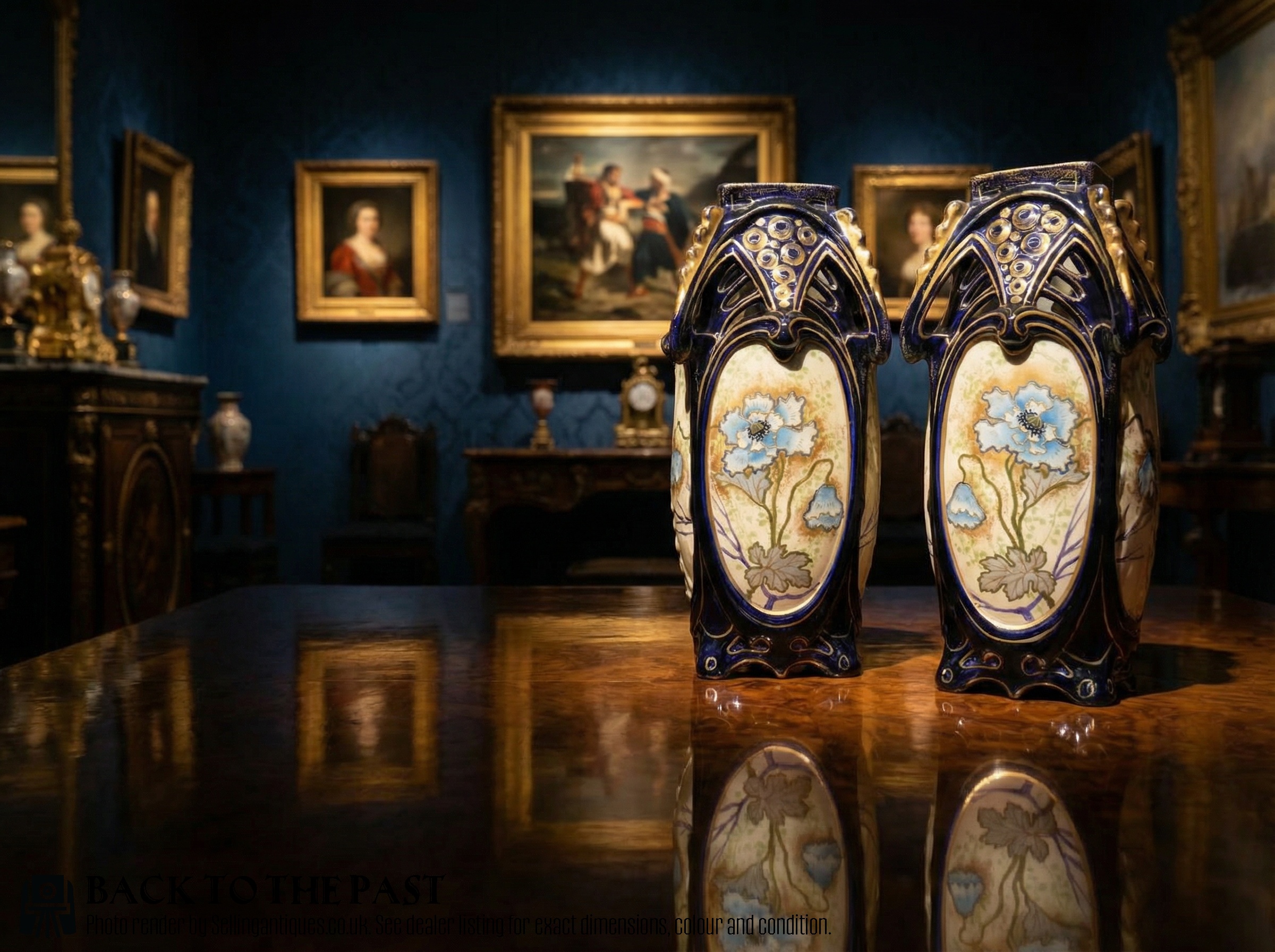
A pair of ceramic vases brings symmetry and balance to a room, offering matching forms from periods spanning the Georgian era to the twentieth century.
Pair of Ceramic Vases
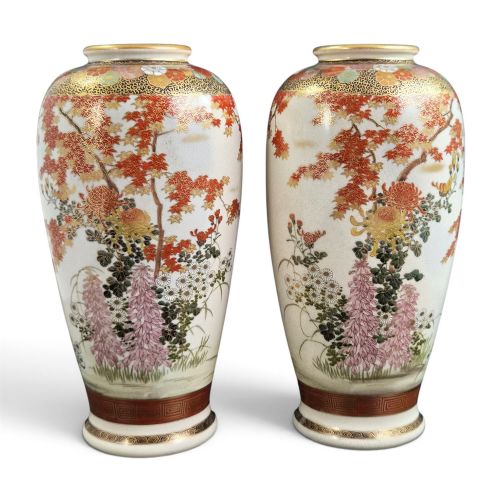
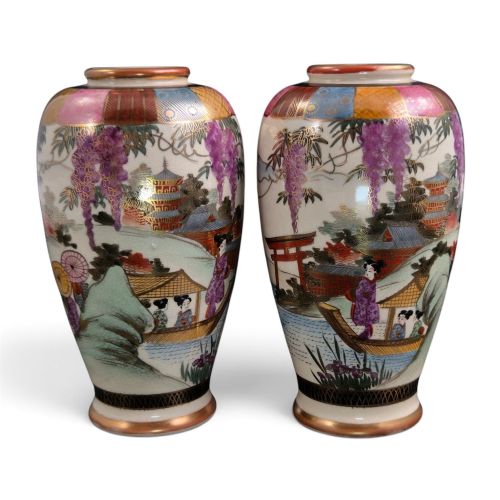
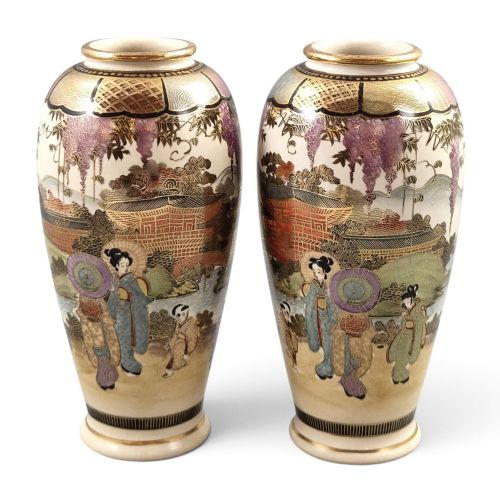
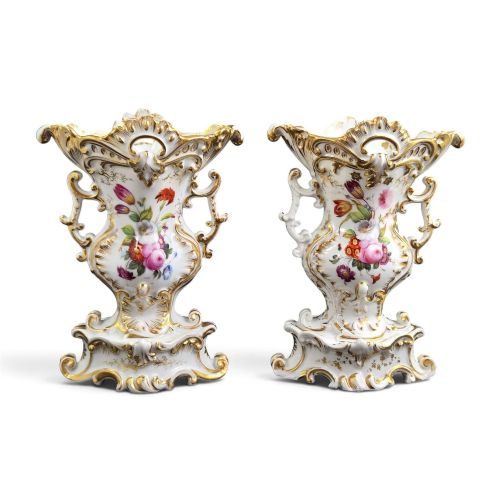
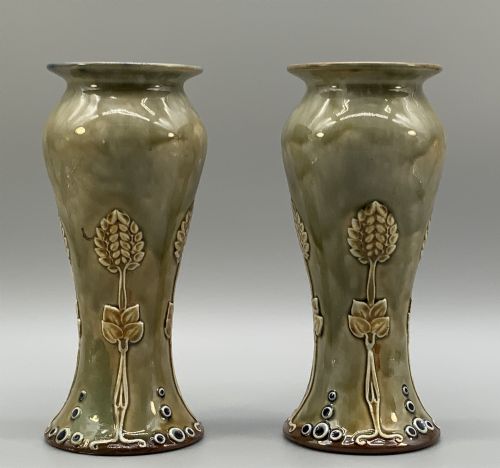
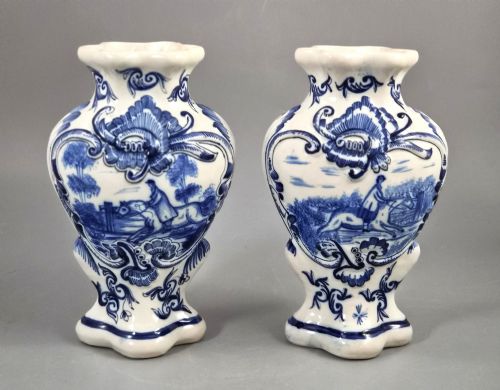
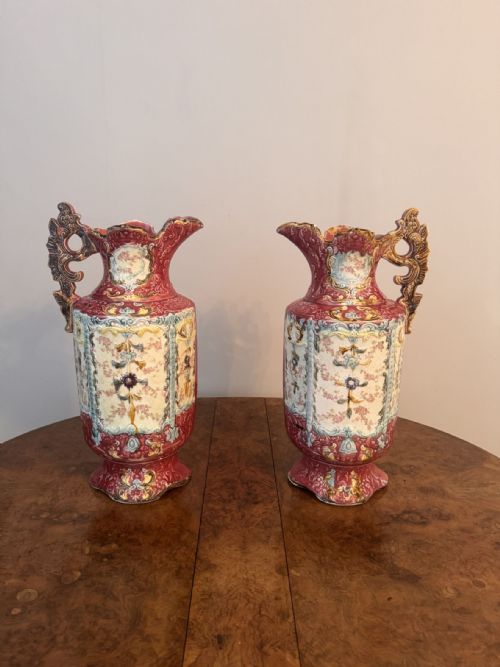
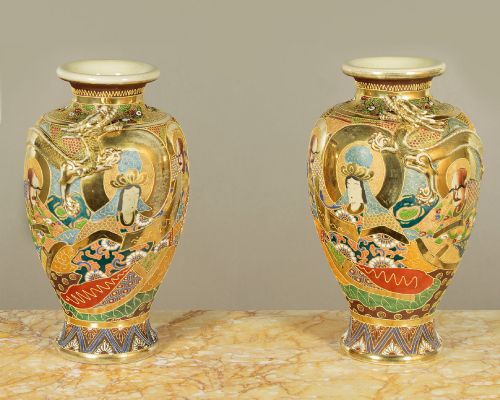
When you look for a pair of ceramic vases, you encounter balanced vessels designed to display flowers or stand alone as mantel ornaments. These objects originate from diverse traditions, including nineteenth-century English earthenware, French porcelain, and Japanese Satsuma wares.
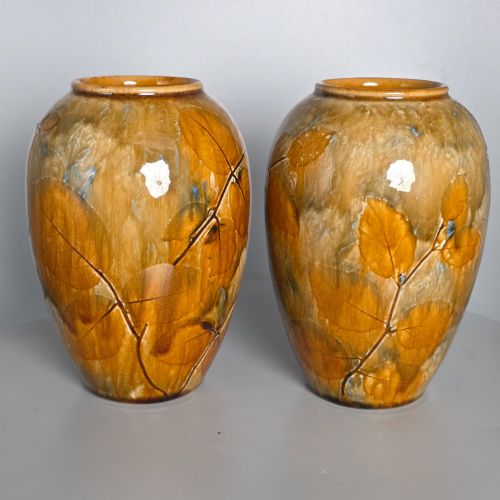
The most common versions on this page are matched pairs from the Victorian and Edwardian periods, alongside substantial continental porcelain and stoneware. Many examples take traditional baluster or urn shapes, while others function as spill vases, jugs, or converted table lamps.
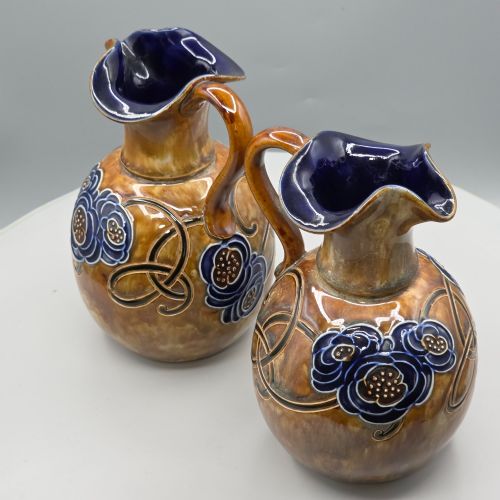
Buyers select these items to anchor room decor with historical interest and symmetrical visual weight. The range extends from delicate hand-painted floral porcelain to robust stoneware jugs reflecting Arts and Crafts or Art Nouveau aesthetics.
Distinguishing quality across the range
Quality in these items rests upon the precision of the ceramic form and the execution of the surface decoration. Hand-painted details, complex glaze effects such as fairyland lustre, and crisp moulding separate standard production pieces from finer studio or factory output.
The integration of metal mounts, handles, and covers also influences the character of the piece. Well-matched sizing and consistent pattern alignment across both vessels indicate superior manufacturing standards.
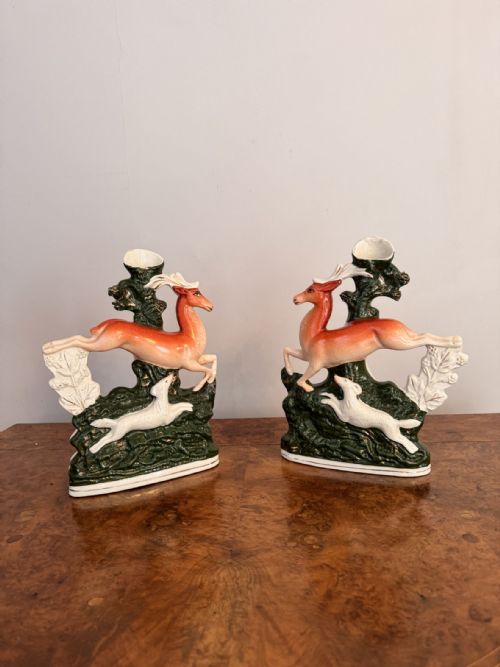
Some nineteenth-century sheep and deer patiently wait on mantelpieces, having spent their lives holding wooden spills instead of grass.
Royal Doulton Lambeth·Flight Barr And Barr·Maruni Kobe·Shozan·Jacob Petit·Fourmaintraux Courquin·Sitzendorf·Sceaux·Daisy Makeig Jones·Spode·Locke And Co·Boch Freres·Samson Paris·Walter Slater·Hicks And Meigh
The Pair of Ceramic Vases Glossary
- Baluster
- A vase form characterised by a bulbous lower portion that tapers towards a narrow neck and flared rim. This shape provides stability and visual balance.
- Spill vase
- A small upright vessel historically utilised to hold taper candles or wooden spills for lighting fires or pipes. These often feature animal or pastoral figural designs.
- Satsuma
- A type of Japanese earthenware featuring an ivory-coloured, crackle-glazed body decorated with polychrome enamels and gilt. It gained significant popularity during the Meiji period.
- Ironstone
- A heavy, durable type of earthenware patented in the nineteenth century to imitate Chinese porcelain. It resists chipping and accepts rich cobalt blue and enamel decoration.
- Jardiniere
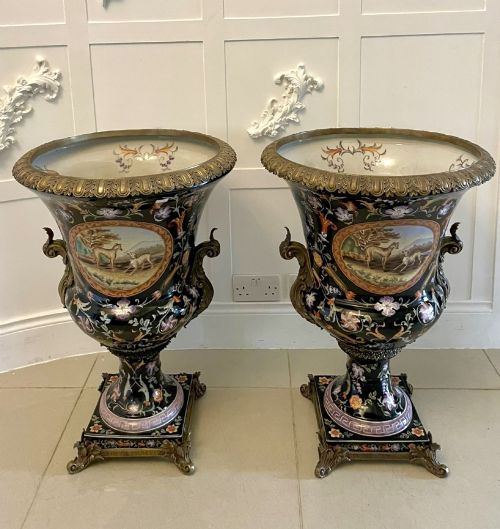
- An ornamental pot or stand designed to hold growing plants or flowers. Larger examples frequently sit on floors or heavy furniture.
Pair of Ceramic Vases: Frequently Asked Questions
How do I style a pair of ceramic vases?
Place them symmetrically on a mantelpiece, sideboard, or console table to create balanced focal points in a room.
They function effectively as standalone decorative ornaments or filled with seasonal stems depending on their height and opening width.
What is the difference between porcelain and earthenware?
Porcelain is fired at extremely high temperatures to produce a vitrified, non-porous material that often rings when struck and appears translucent in thin sections.
Earthenware uses a lower firing temperature, resulting in a heavier, opaque ceramic body that requires glaze to become waterproof.
Were these vases made for flowers?
While many were designed to hold fresh blooms, specific types such as spill vases served domestic functions like holding wooden tapers.
Larger decorative urns and palace jars were intended purely as ornamental display pieces within grand interiors.
How do I identify Satsuma ware?
Satsuma ceramics display a distinct fine crackle glaze over a warm, ivory-coloured earthenware body.
Decoration typically incorporates intricate hand-painted Japanese motifs enriched with raised enamel and gold leaf.