
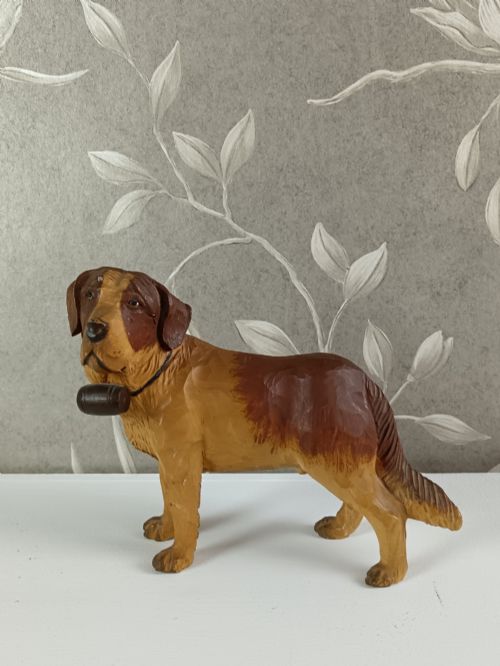
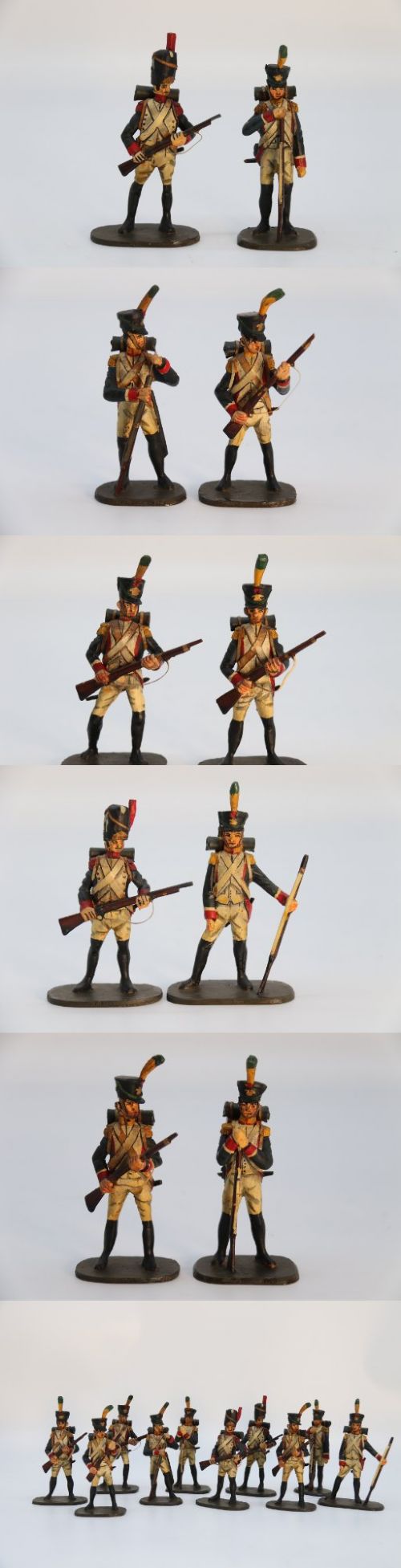


Painted Wooden Figurine
A painted wooden figurine brings character to a room through carved detail and pigment.
Painted Wooden Figurine
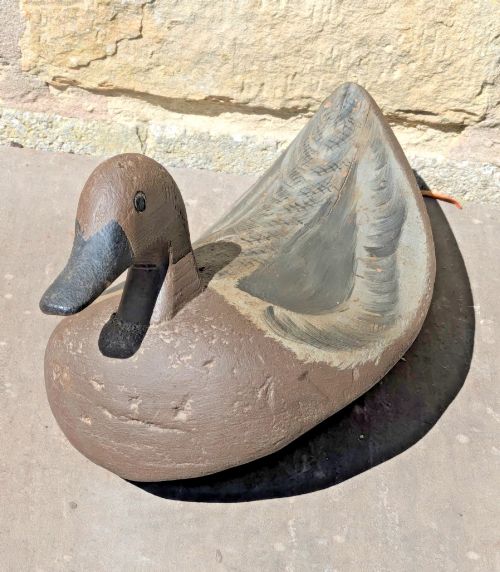
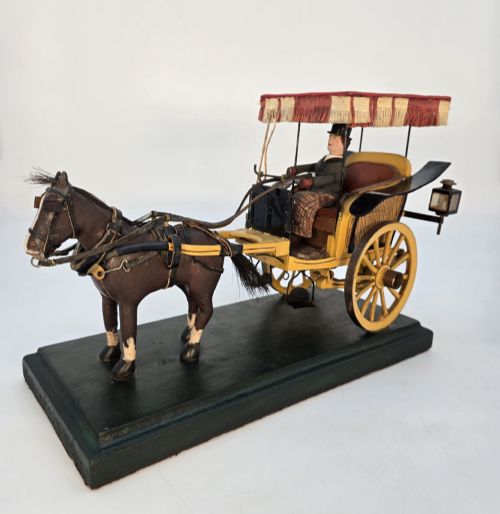
A painted wooden figurine encompasses hand-carved sculptures, folk art models, and decorative figures produced across several centuries. Buyers examining this category encounter everything from decoy ducks and military soldiers to saints and carriage models.
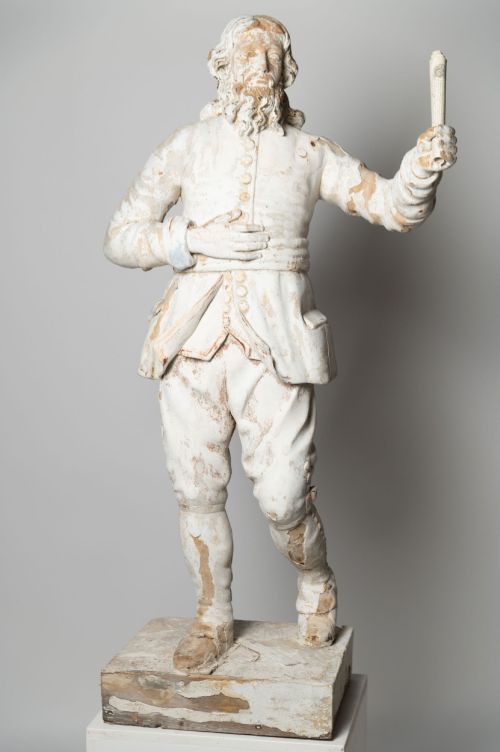
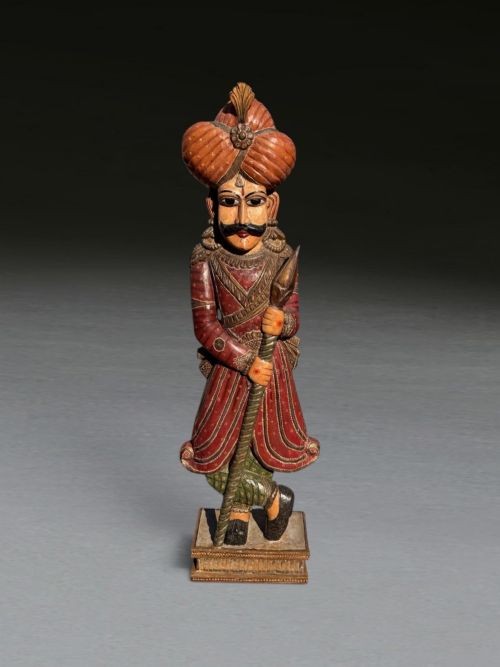
The selections span the eighteenth, nineteenth, and early twentieth centuries, drawing on traditions ranging from Alpine and Italian folk art to Anglo-Indian and Ming style influences. Figures of animals, noblemen, and tradespeople predominate among the available examples.
Makers shaped these timber subjects for domestic display, religious devotion, or practical use as decoys and whirligigs. Each object relies on carved form combined with pigment to define its subject.
How they were made
Carvers shaped these figures from timber using hand tools, producing textured surfaces that retain the marks of the knife or chisel. Applied paint, polychrome pigment, and occasional fabric elements complete the surface decoration.
Makers utilised available local woods, applying layers of paint or pigment directly to the carved timber. Many examples display applied polychromy that has aged and worn over generations of use.
Listings feature works spanning the 18th century through to the 1940s, utilising wood, paint, and fabric.
What varies in quality
The preservation of the original surface pigment dictates much of the visual appeal. Figures that retain their early or original polychrome paint without heavy modern restoration hold greater interest for collectors.
The Painted Wooden Figurine Glossary
- Folk art
- Objects created by self-taught or traditional artisans outside academic traditions. These pieces often prioritise expressive character over strict anatomical proportions.
- Decoy
- A carved wooden bird or animal constructed to attract wildlife. Makers painted these working objects with careful attention to natural plumage.
- Whirligig
- A wind-driven mechanical toy or signalman that moves in the breeze. These figures combine carving with simple kinetic elements.
- Provincial
- Originating from regional areas rather than capital cities. Such carvings frequently reflect local materials and vernacular styles.
Painted Wooden Figurine: Frequently Asked Questions
How do I date a painted wooden figurine?
Dating relies upon examining the tool marks, the type of timber, and the composition of the paint layers. Pigments and surface wear often indicate whether a piece belongs to the eighteenth, nineteenth, or early twentieth century.
Style of dress and carving conventions also provide clues to the period of origin. Comparing the construction methods to dated examples helps confirm the era.
How were these figures displayed originally?
Many smaller carvings stood on mantelpieces, shelves, or home altars for daily viewing. Others served specific domestic functions or worked outdoors as decoys and weather vanes.
Religious figures occupied places of reverence in homes, while folk art models decorated parlours. Their placement depended entirely on whether they were devotional, utilitarian, or purely decorative.
How should I care for antique painted wood?
Keep wooden figures away from direct sunlight and stable humidity environments to prevent the timber from splitting. Dust them gently with a soft, dry cloth without applying modern liquid polishes.
Moisture and heat fluctuations can cause fragile polychrome paint to flake off the carved surface. Gentle handling preserves both the wood and the pigment.
What defines folk art in wooden carvings?
Folk art carvings stem from vernacular traditions rather than formal academic training. Makers focused on direct expression, utilising local timber and straightforward painting techniques.
This independence from academic rules results in charmingly idiosyncratic proportions and lively character. Each object reflects the personal style of the individual carver.