




Hand Carved Wooden Man
These hand carved wooden man figures bring centuries of character into a room, offering everything from Black Forest musicians to folk art workers.
Hand Carved Wooden Man
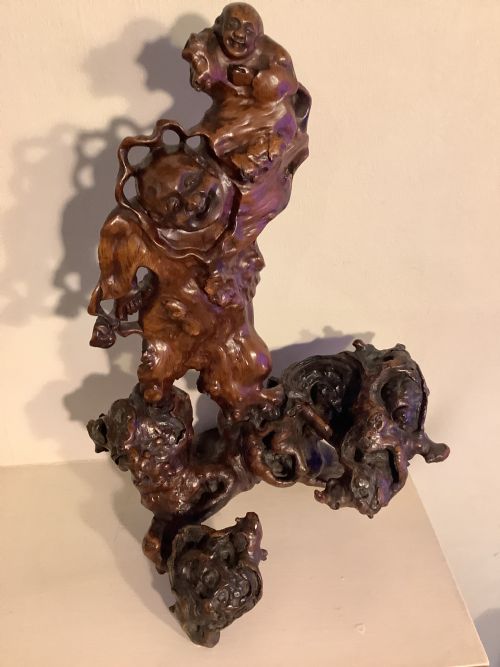
When you search for a hand carved wooden man, you are looking at figural sculptures and utilitarian objects shaped from timber across the nineteenth and early twentieth centuries. The selection spans European folk art, Black Forest carvings, Asian traditions, and American pieces.
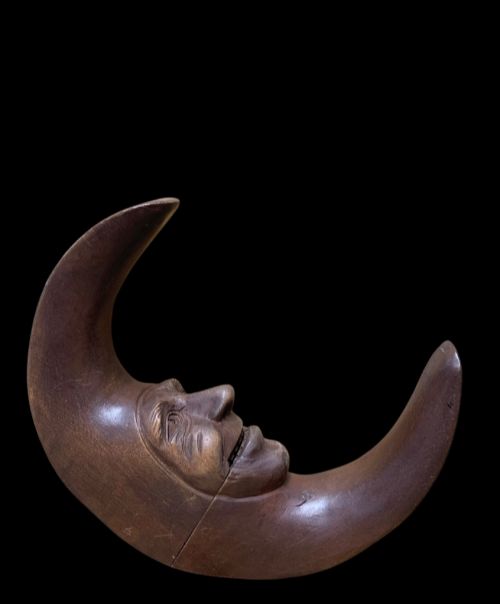
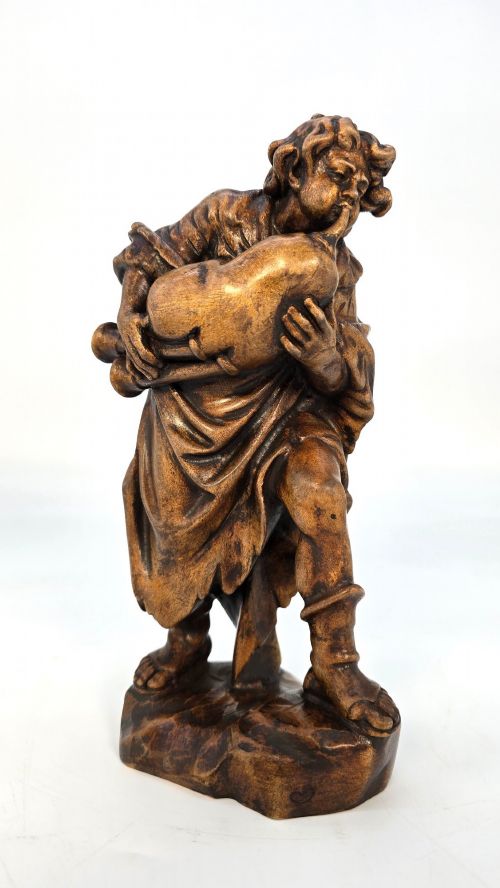
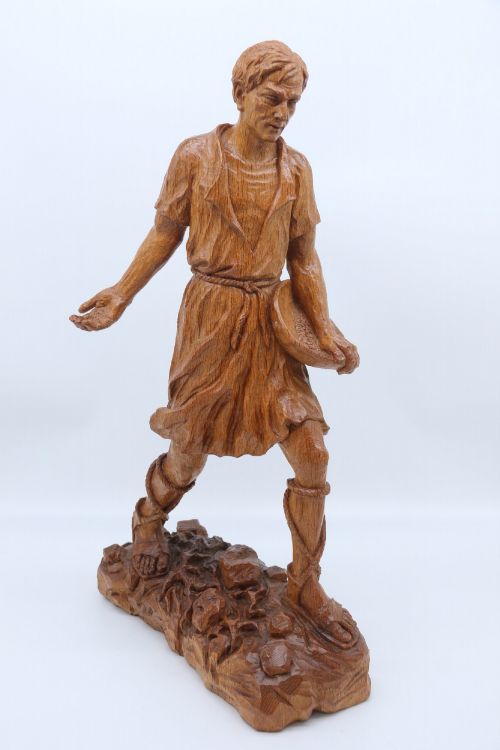
You are most likely to meet Black Forest limewood or oak figures from the late nineteenth century on this page. These take the form of peasants, musicians, farm workers, or nutcrackers carved with distinct regional character.
Materials and construction
Carvers utilised a range of timbers including limewood, oak, walnut, rosewood, pine, and bamboo. Softer woods like linden and limewood allowed for intricate detailing in European pieces, while denser hardwoods suited Asian and traditional figures.
The working methods rely entirely on hand chiselling and gouging. Artisans shaped blocks of timber to reveal figures ranging from architectural corbels and jigger dolls to functional nutcrackers.
Hand Carved Wooden Man Retail Price Guide 2026
Typical asking prices for hand carved wooden man among the pieces listed under this phrase on Sellingantiques today, from the lower quarter to the upper quarter. They describe what is for sale here now, not the wider market.
Some figures double as nutcrackers, ready to put your festive walnuts to work with a sharp snap.
Assessing quality
The choice of timber and the preservation of the original surface texture also distinguish superior pieces. A strong silhouette and thoughtful integration of the natural grain elevate a carving above standard workshop output.
The Hand Carved Wooden Man Glossary
- Black Forest carving
- Woodcarving originating from the mountainous region of central Europe during the nineteenth century. These pieces often depict animals and peasants.
- Limewood
- A pale timber traditionally favored by European carvers for its fine grain and ease of shaping. It takes sharp detail well.
- Corbel
- A structural piece of stone or wood projecting from a wall to carry a weight. Carved wooden examples often take human form.
- Folk art
- Art produced from an indigenous culture or peasant society. These works are created by self-taught individuals using traditional methods.
Hand Carved Wooden Man: Frequently Asked Questions
How old are these wooden figures?
The pieces span the nineteenth century through to the early twentieth century. Many date from the Victorian and Edwardian eras.
Specific dates depend on the style and regional origin of the carving, with several pieces originating around eighteen eighty.
Were these figures meant for display?
Some pieces served a purely decorative purpose as sculptures and figurines on mantelpieces and shelves. Others combined art with utility, such as nutcrackers and architectural corbels.
Folk art examples like jigger dolls were also used for entertainment in domestic settings.
How do I clean a wooden carving?
Dust the surface gently with a soft, dry brush to remove particles without disturbing the finish. Avoid using water or chemical polishes.
Keeping the piece away from direct sunlight and extreme temperature shifts will protect the timber over time.
What woods were commonly used?
Carvers utilised local timbers suited to their region, including limewood, oak, walnut, pine, and bamboo. Hardwoods also appear in pieces from international traditions.
The choice of wood influenced the level of detail achievable in the final sculpture.