




Vintage Indian Folk Art
Vintage indian folk art brings together hand-carved temple textiles, painted wooden figures and utilitarian vessels that carry the rich vernacular traditions of the subcontinent.
Vintage Indian Folk Art
The sculptural pieces take many forms, including carved figures of deities such as Parvati and Ganesha, processional horses, and life-size animals like goats. Textile works are represented by traditional Kalamkari temple paintings and painted wall cloths depicting mythological scenes involving figures like Krishna.
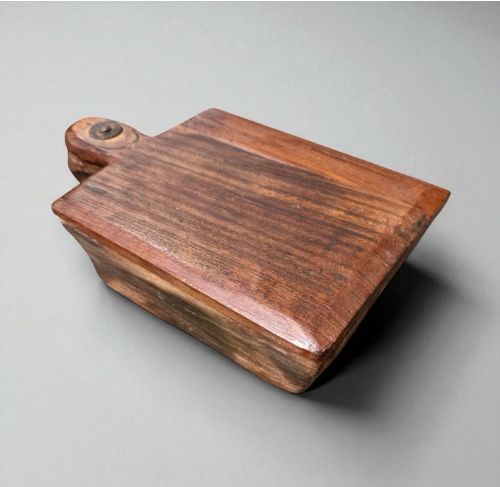
Domestic and utilitarian pieces also feature strongly, from Shisham wood platters to spinning wheels and wedding chairs. These items reflect both the daily life and the ritual practices of their periods of origin, showcasing traditional craftsmanship across different regions.
Materials and construction
The construction of these pieces relies heavily on native timbers such as teak, oak, Shisham and general hardwoods, selected for durability and carving suitability. Artisans shaped these materials using traditional hand-carving techniques to produce three-dimensional sculptures, furniture and decorative containers.
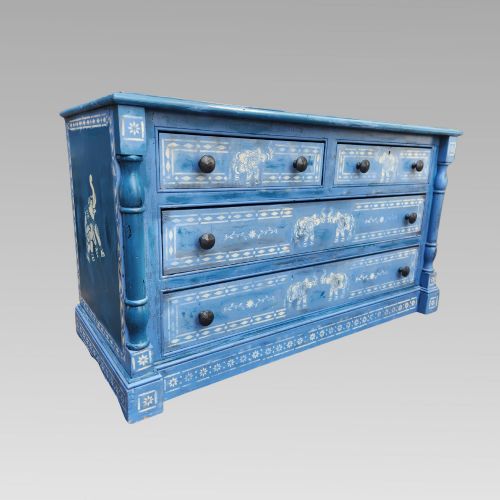
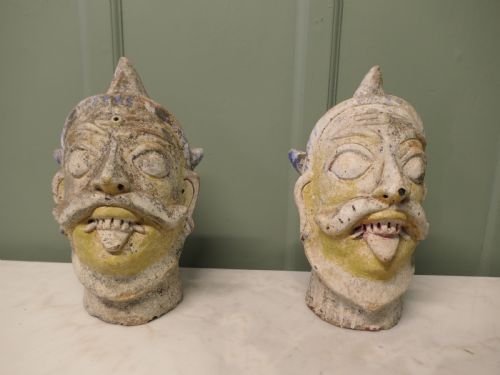
Surface decoration frequently involves the application of pigment and paint to create polychrome finishes, as seen on horses, figures and architectural elements. Textile works employ traditional cotton fabrics decorated with intricate Kalamkari painting methods and painted wall cloth techniques.
Vintage Indian Folk Art Retail Price Guide 2026
Typical asking prices for vintage indian folk art among the pieces listed under this phrase on Sellingantiques today, from the lower quarter to the upper quarter. They describe what is for sale here now, not the wider market.
Assessing quality and character
Quality in these pieces is determined by the depth and clarity of the hand-carving, particularly in figural sculptures and architectural elements where facial expressions and anatomical details must be rendered clearly. The survival of original pigment and surface paint also dictates the visual impact of painted wooden items and wall cloths.
The structural integrity of larger furniture items, such as cupboards and wedding chairs, indicates the standard of joinery and the selection of timber used by the maker. Patina accumulated through age and use provides an authenticity that separates finer vernacular items from later reproductions.
The Vintage Indian Folk Art Glossary
- Kalamkari
- A traditional type of hand-painted or block-printed cotton textile, often produced for temple use and depicting mythological narratives. These textiles use natural dyes on cotton cloths.
- Polychrome
- Describes an object decorated in multiple colours, frequently applied to carved wooden figures and architectural elements to enhance visual detail. This finish relies on traditional pigments.
- Shisham
- A durable Indian hardwood commonly utilised for furniture and decorative platters, known for its rich grain and resistance to decay. Craftsmen valued it for items subject to daily handling.
- Chakra
- A traditional spinning wheel used for the production of yarn, representing both domestic utility and cultural heritage. These items reflect early twentieth-century village life.
- Vernacular
- Architecture and art created by local makers using traditional methods and native materials, without reference to academic styles. It embodies the everyday culture of its region of origin.
Vintage Indian Folk Art: Frequently Asked Questions
What defines vintage indian folk art?
These pieces comprise hand-carved wooden sculptures, painted textiles, and utilitarian objects made by local artisans primarily during the nineteenth and early twentieth centuries.
They reflect the traditional domestic, religious, and ceremonial practices of various regions across the Indian subcontinent.
How were temple paintings used?
Large Kalamkari temple paintings and painted wall cloths served as visual narratives for Hindu stories and deities during religious observations.
They hung in sacred spaces to educate and inspire worshippers through detailed depictions of figures such as Krishna and various epics.
How do I care for wooden sculptures?
Keep carved wooden figures and painted items away from direct sunlight and sudden temperature changes to protect the pigments and timber.
Dust gently with a dry, soft cloth and avoid applying modern polishes or cleaning agents that might damage historic finishes.