



Painted Wooden Blanket Box
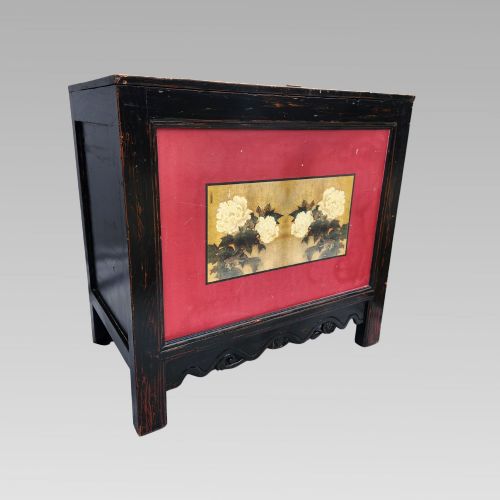
A painted wooden blanket box offers robust storage while carrying the rich visual history of European folk traditions and country workshops.
Painted Wooden Blanket Box
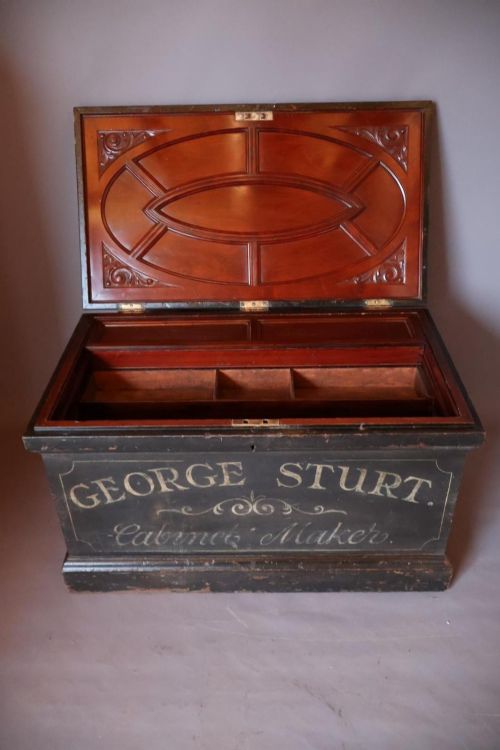
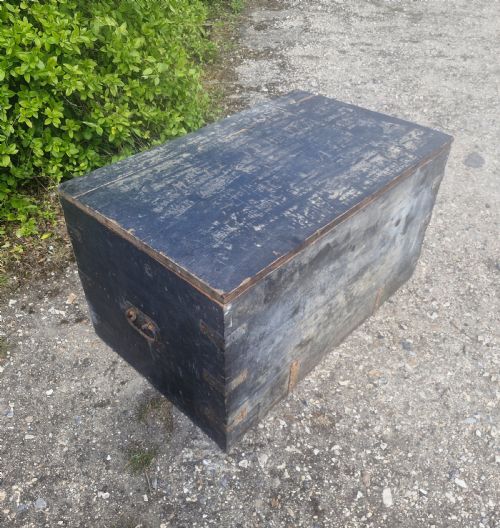
A painted wooden blanket box serves as a practical storage chest that doubles as a decorative focal point in a room. Buyers searching for a painted wooden blanket box will encounter substantial storage trunks and coffers originating from various periods, including the Georgian, Regency, and Victorian eras.
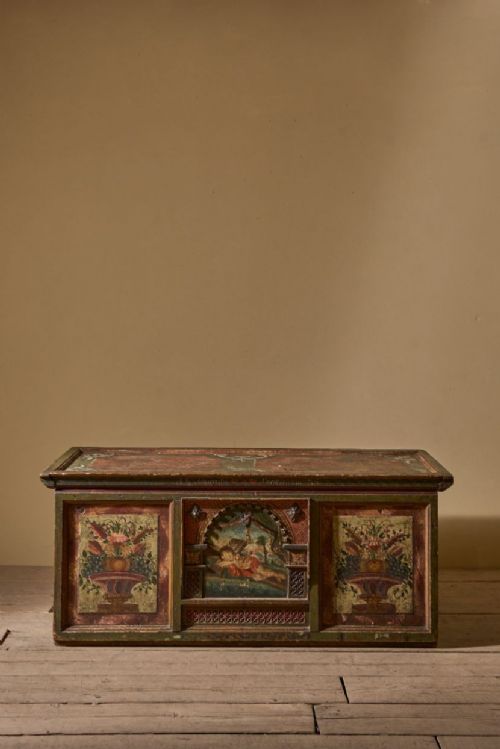
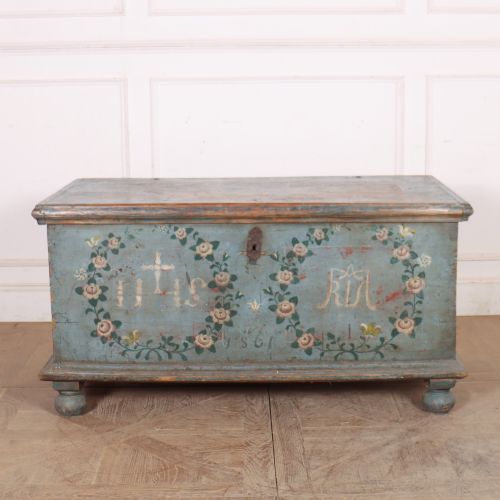
Many pieces reflect distinct regional styles such as Scandinavian country, folk art, and alpine traditions. These range from large marriage chests adorned with floral motifs to utilitarian campaign trunks and travel chests.
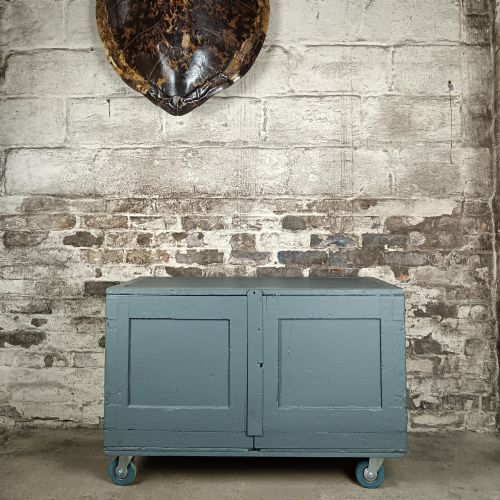
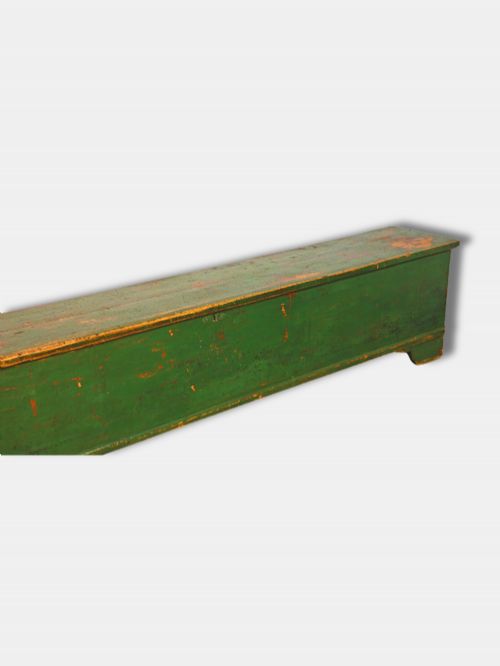
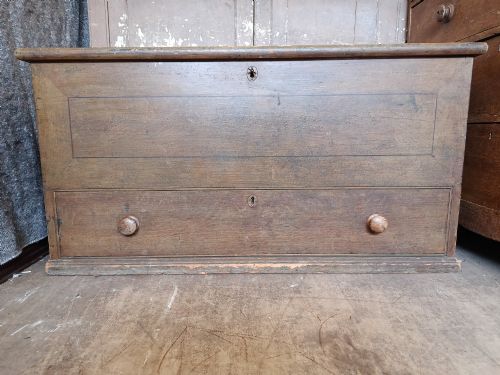
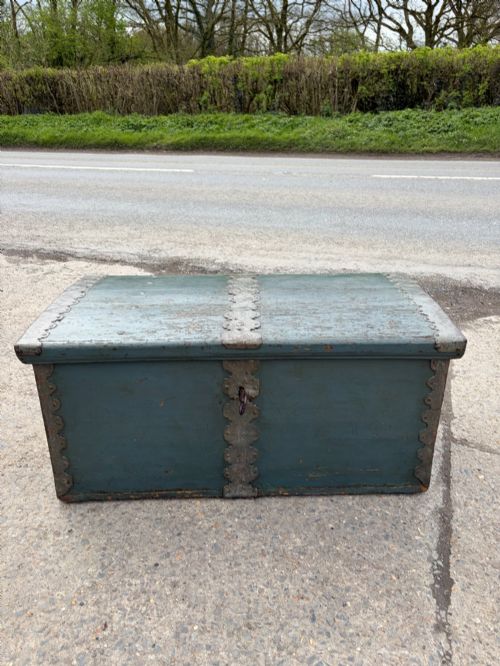
Pine serves as the primary timber across the selection, often finished with original pigments, scumble glazes, or black lacquer. The forms vary from dome-top chests and mule chests with lower drawers to simple hinged-lid boxes on stands.
Materials and construction methods
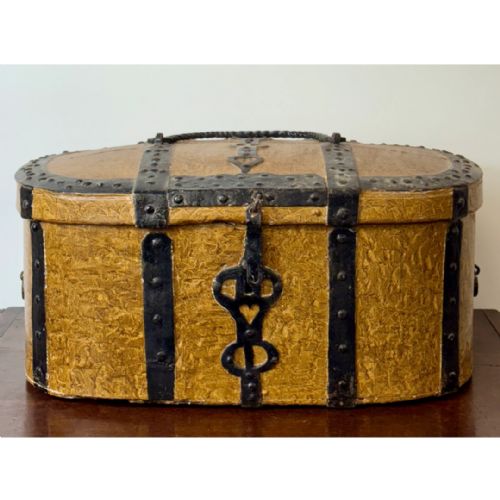
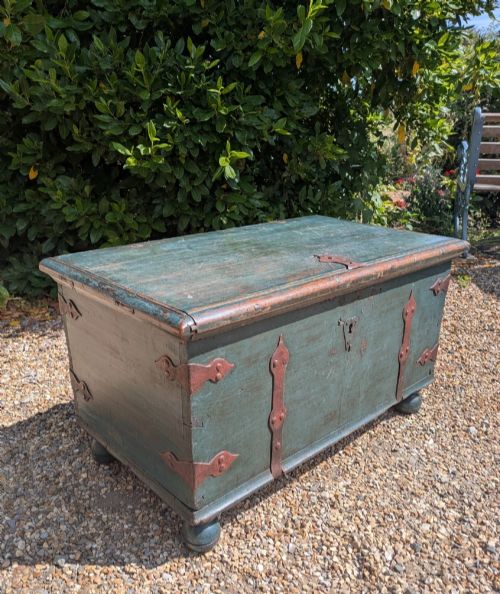
Makers utilised solid pine and occasionally oak as the foundational timber for these storage pieces, assembling them with sturdy joinery to withstand heavy travel and domestic use. Hand-forged iron strapwork, wrought iron brackets, and brass fixtures reinforce the corners and lids for structural durability.
Surfaces were prepared with ground pigments and oil paints, frequently displaying scumble glazing or layered hand-painted floral decoration. Over decades, the interaction between the wood and the original paint layers produces the distinctive patinated surfaces valued by collectors.
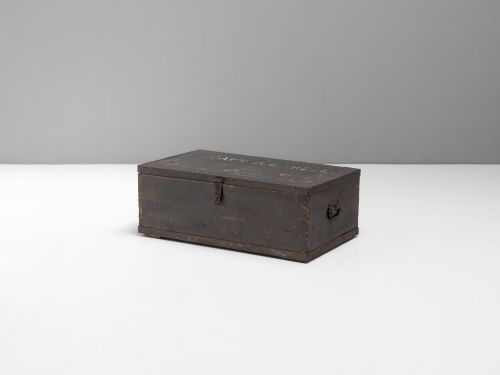
Several travel trunks preserve vivid red interiors hidden beneath their stern, dark exterior metal bindings.
Factors that distinguish the finest examples
The survival of original surface decoration dictates much of the distinction among these pieces. Examples retaining their initial hand-painted pigments, folk art motifs, or untouched scumble finishes command greater interest than those stripped or heavily repainted in later years.
Structural integrity and the retention of original hardware, including hand-forged iron strapwork and working locks with keys, separate standard utilitarian storage from superior examples. The crispness of regional folk detailing and the undisturbed patina of the pine timber further define the upper tier of the range.
The Painted Wooden Blanket Box Glossary
- Mule chest
- A storage chest fitted with one or more drawers beneath the main compartment. This form bridges the traditional blanket box and the chest of drawers.
- Scumble
- A decorative painting technique where a translucent glaze is dragged or manipulated over an opaque base coat. It creates mottled, textured wood-grain effects on pine.
- Strapwork
- Metal bands or hinges applied across the exterior of a chest to reinforce the wooden joints. These iron or brass elements often add significant visual detail.
- Coffer
- A heavy wooden chest traditionally used for storing valuables or textiles. They typically feature robust construction and secure hinged lids.
Painted Wooden Blanket Box: Frequently Asked Questions
What were painted wooden blanket boxes used for originally?
These boxes provided secure storage for household textiles, blankets, and precious clothing in domestic settings. Many regional examples served specifically as marriage chests, commissioned to hold a bride's dowry.
Over time, travel versions adapted the form for military campaigns and maritime journeys, protecting uniforms and equipment during transit.
How do I care for a painted wooden blanket box?
Keep the chest away from direct sunlight and strong heat sources to prevent the pine timber from drying out and the old paint from cracking. Dust the surface gently with a dry, soft cloth rather than using liquid polishes or modern chemical cleaners.
Maintain stable indoor humidity levels to protect both the underlying wood and any fragile historic pigments.
How can I tell if the paint is original?
Examine the surface under natural light to look for consistent wear patterns, underlying craquelure, and natural fading that matches the age of the timber. Original paint layers often show integrated oxidation and microscopic accumulation of dirt within the brushstrokes.
Inspect corners and edges where later coats tend to chip away or reveal contrasting primer layers underneath.
Where do most of these painted chests come from?
The selection includes significant numbers of pieces originating from Sweden, Hungary, and the wider alpine regions. These European folk art traditions favoured bright pigments, floral motifs, and distinctive regional carpentry.
Other examples originate from British workshops, reflecting Victorian domestic tastes and campaign requirements.