




Painted Wood Stool
These painted wood stool examples bring character to a room through centuries of varied European and global traditions.
Painted Wood Stool
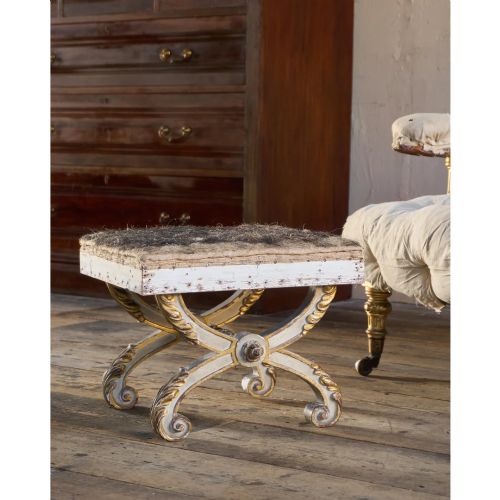
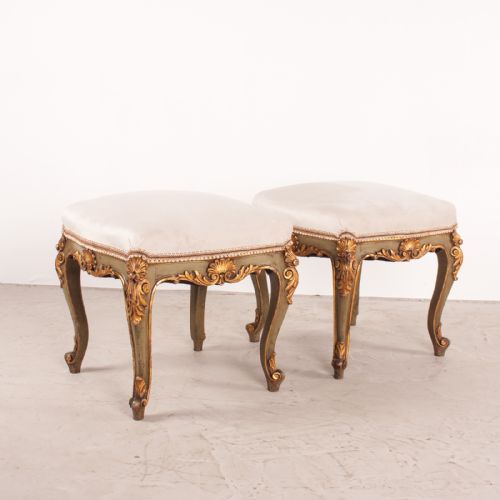
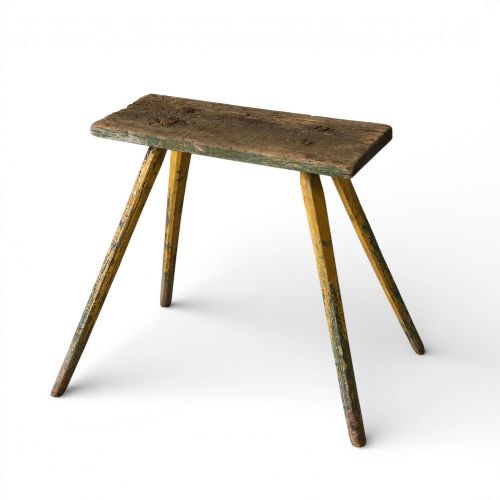
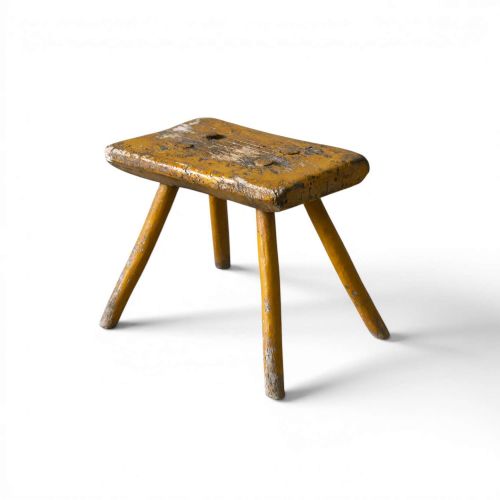
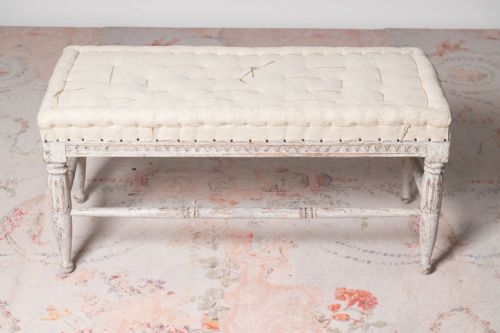
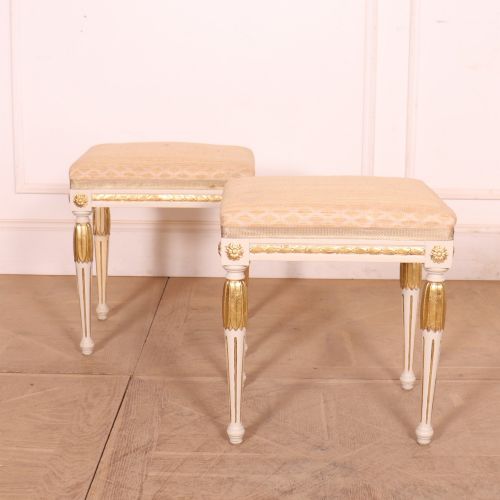
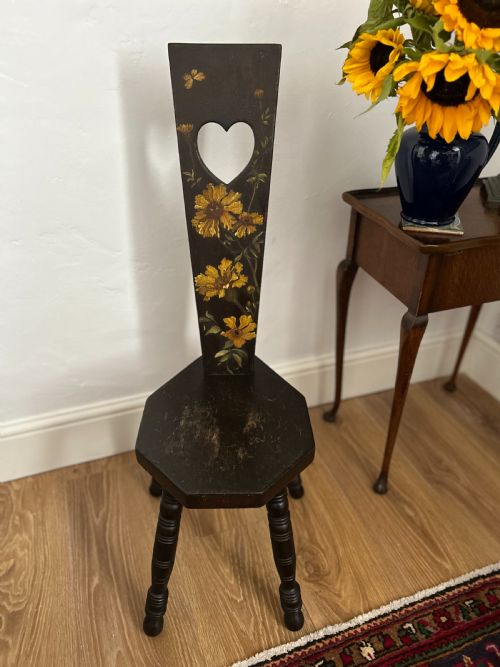
A painted wood stool encompasses a broad range of domestic seating forms, from rustic milking stools and piano seats to elegant French and Swedish neoclassical designs. Buyers seeking a painted wood stool find pieces that range from simple three-legged country versions to finely carved and gilded creations.
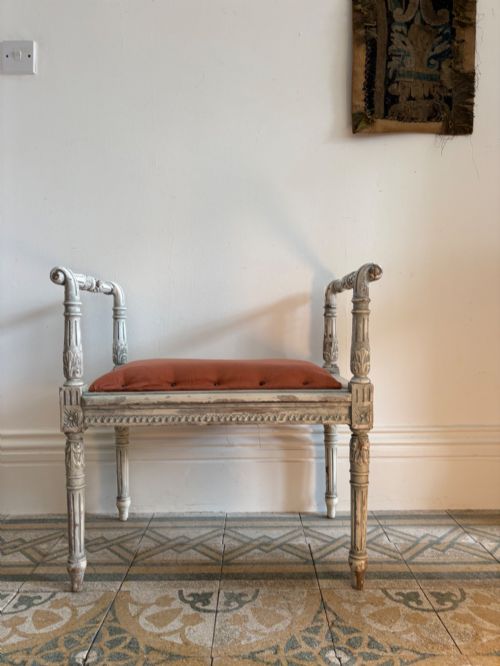
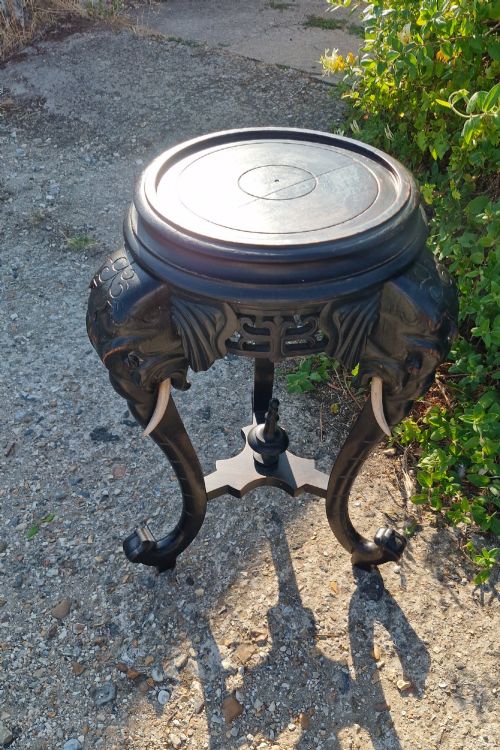
The selections span the nineteenth and early twentieth centuries, drawing on styles such as Gustavian, Louis XV, Regency, and Anglo-Indian. Many items retain original paint surfaces or surface decoration, highlighting the varied regional tastes of their makers.
Materials and construction methods
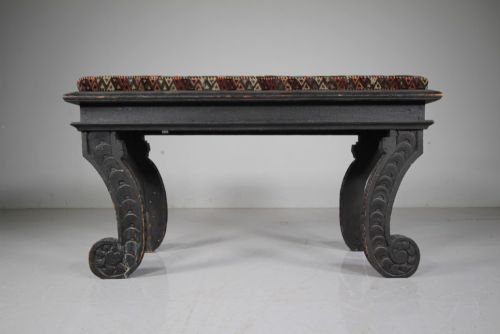
Construction relies heavily on timber such as pine, satinwood, and general wood substrates shaped into sturdy frames, benches, and seats. Artisans applied coats of paint, gold leaf, and lacquer directly to the wood, sometimes combining the painted finish with applied gilt details.
Upholstered elements often feature fabric or linen coverings over silk or traditional stuffing, while other examples showcase exposed carved wooden structures, painted tusks, or intricate needlework tops.
Listings feature timber variants including pine and satinwood alongside decorative applications of gold leaf and linen upholstery.
Qualities that distinguish the range
The distinction between standard examples and finer pieces rests upon the integrity of the original paint surface and the sophistication of the carving. Original undisturbed pigment layers and nuanced decorative motifs elevate a piece significantly.
Maker attribution and stylistic purity also shape the standing of an item, distinguishing straightforward utility seating from high-style decorative workshop creations.
Miles and Edwards·Whytock and Reid·Druce and Co
The Painted Wood Stool Glossary
- Gustavian
- A Swedish neoclassical design style characterised by restrained classical carving and pale painted finishes. It reflects Scandinavian interpretations of French court aesthetics.
- Curule
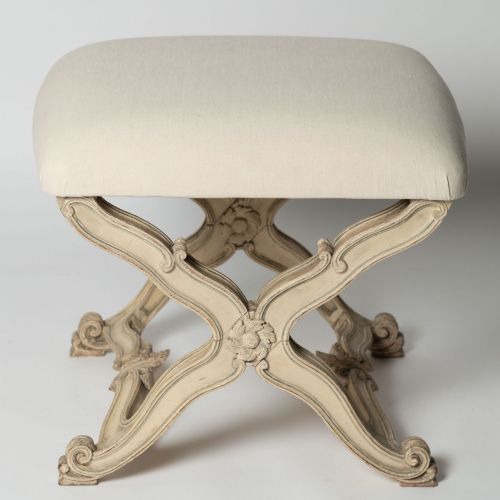
- An ancient Roman shape of magistrate's chair featuring X-shaped intersecting legs. This form appears in nineteenth-century revival seating.
- Duet stool
- An elongated piano stool designed to seat two players side by side. These often feature upholstered hinged seats concealing music storage compartments.
- Satinwood
- A durable, lustrous timber native to India and Sri Lanka used extensively for fine furniture. It provides a smooth golden surface suited for delicate painted decoration.
Painted Wood Stool: Frequently Asked Questions
How do I identify original paint?
Look for natural wear patterns, craquelure, and multiple underlying layers visible beneath surface chips. Original paint adheres closely to the wood grain without modern synthetic primers.
Examine edges and high-contact areas where handling naturally removes pigment over decades of domestic use. Modern touch-ups often sit heavily on top of accumulated dirt and aged timber.
Where should I place a piano stool?
Piano stools serve well as flexible low seating in living rooms or bedrooms alongside dressing tables. Their adjustable heights and compact footprints make them practical for secondary seating.
They also function effectively as small display surfaces or footstools when paired with larger armchairs and sofas.
Are milking stools stable for daily use?
Most rustic milking stools feature three splayed legs designed to remain steady on uneven stone or earth floors. This tripod construction prevents rocking on irregular surfaces.
Users should check leg tenons and joints periodically to ensure the wedged construction remains firm under regular daily sitting loads.
What defines Gustavian style?
Gustavian pieces display pale grey or white paint, fluted legs, and subtle neoclassical carved details inspired by French design. King Gustav III introduced this pared-back Scandinavian aesthetic in the late eighteenth century.
The style prioritises light-reflecting surfaces and simple geometric lines over heavy ornamentation.