




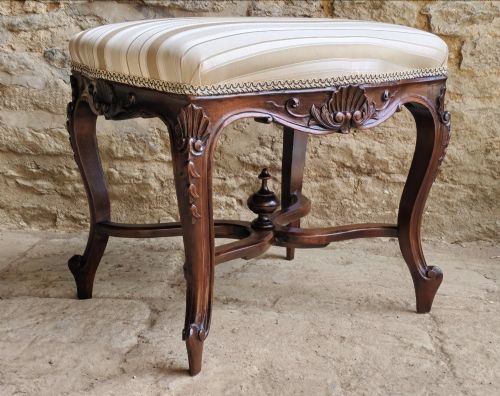


French Rococo Stool
These French rococo stool examples bring theatrical carved timber and sweeping cabriole lines directly into a modern interior.
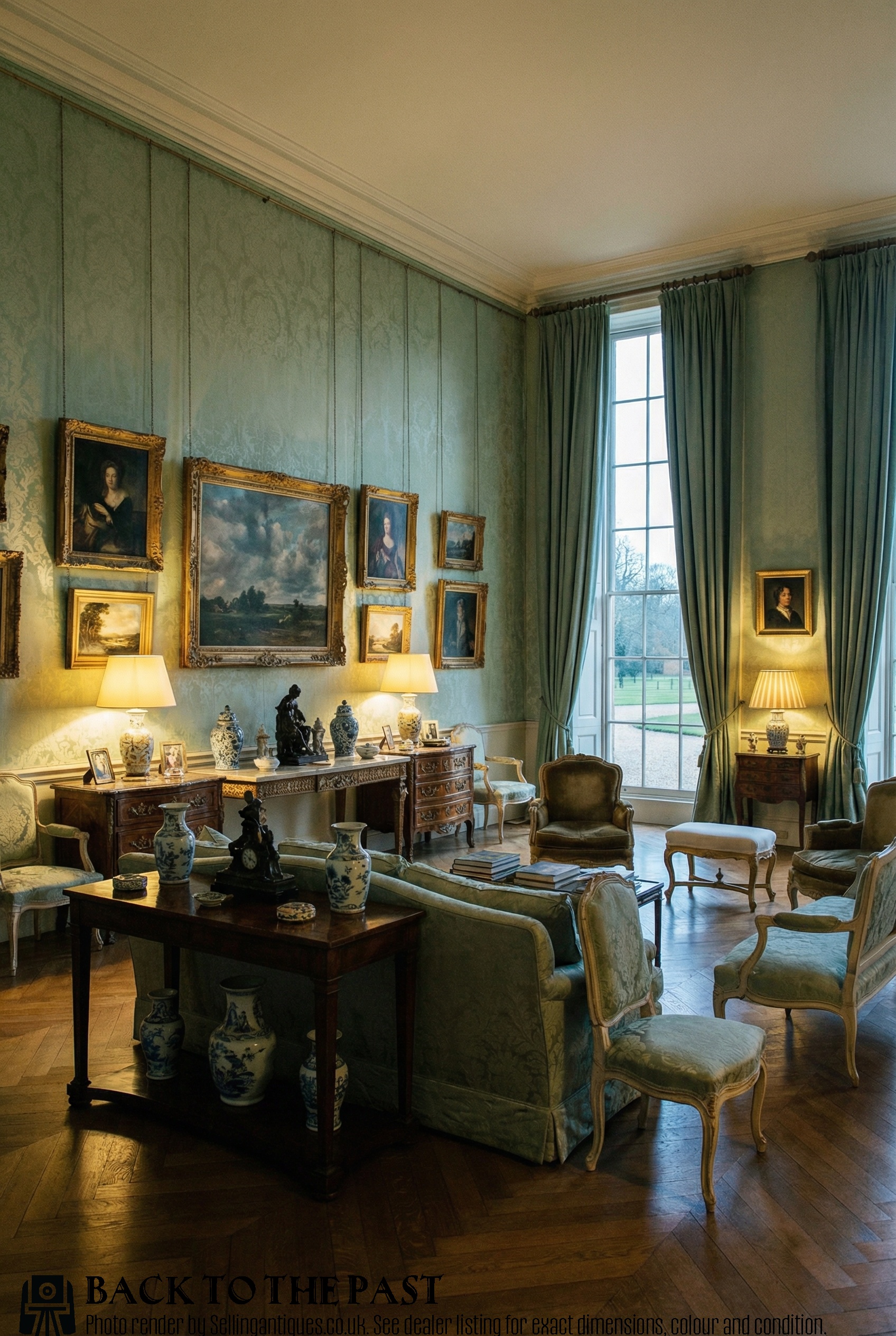
French Rococo Stool
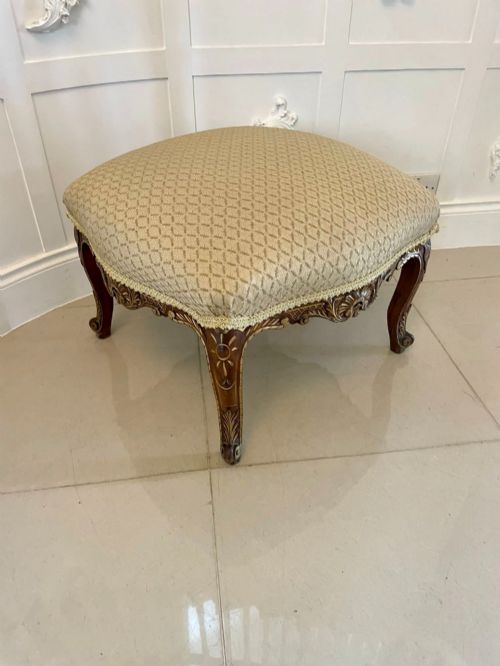
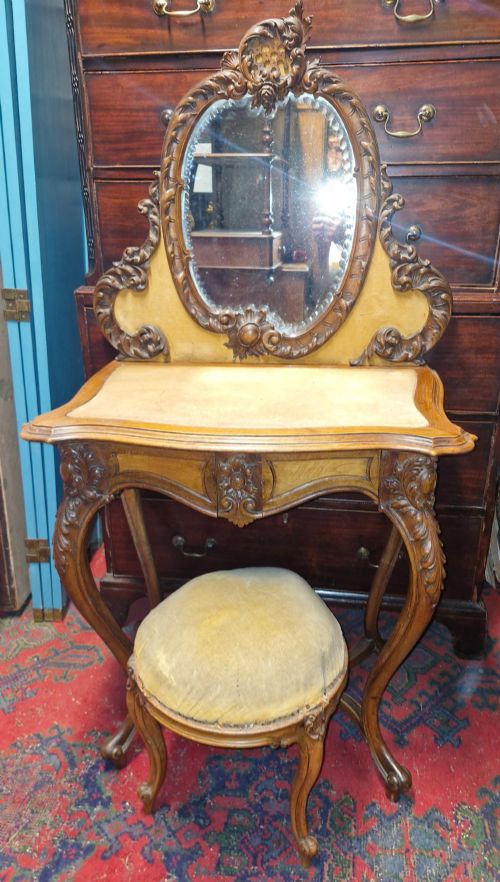
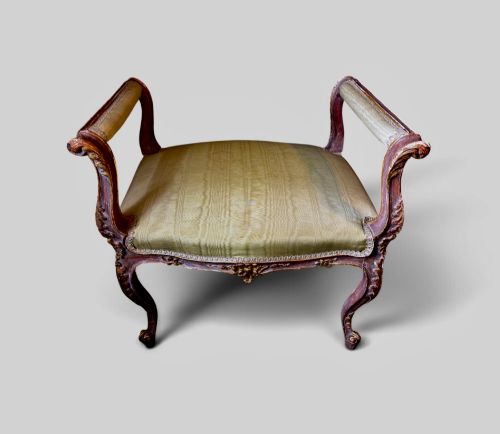
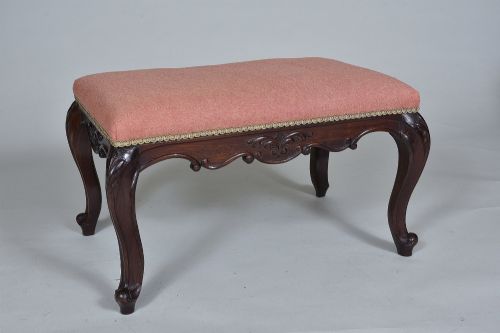
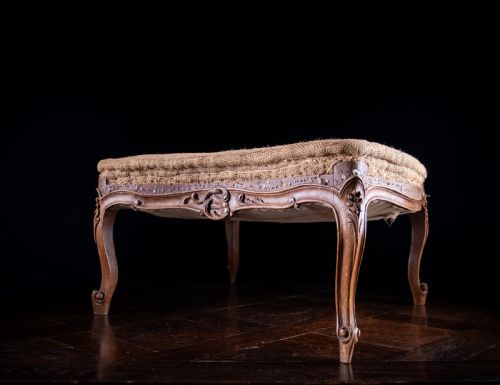
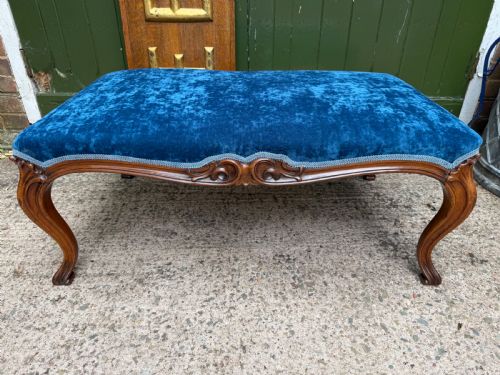
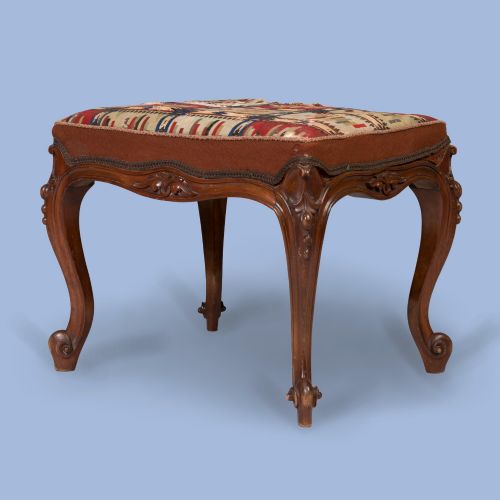
A french rococo stool combines organic asymmetric ornamentation with compact seating forms designed for nineteenth-century salons and drawing rooms. Buyers encounter diverse manifestations spanning the Victorian era through to nineteen thirty, including window seats, footstools, and long dressing table benches.
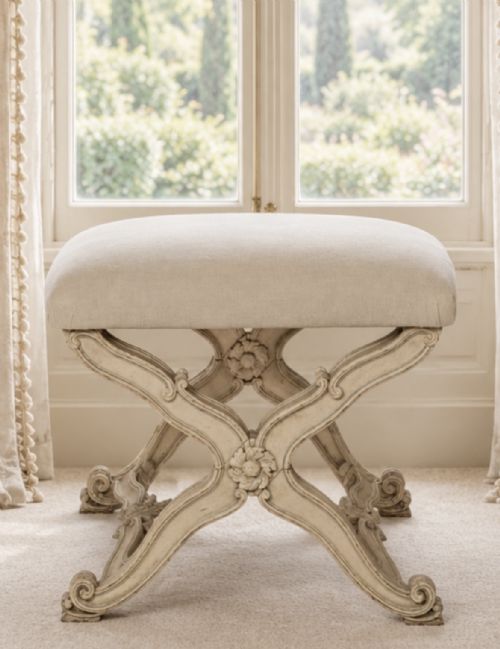
The selection ranges from robust nineteenth-century walnut pieces featuring cabriole legs to lighter twentieth-century painted and gilded frames. Many examples display strong stylistic links to Louis XV revivals and French chateau aesthetics.
Materials and construction
Makers shaped these frames primarily from solid timbers like walnut, mahogany, and beech, alongside softer woods selected for decorative painted finishes. Giltwood and parcel gilt treatments frequently highlight the intricate carved scrollwork characteristic of the revival styles.
Upholstery forms an integral part of the construction, utilising textiles such as velvet and traditional fabric coverings. Skilled hands executed the deep relief carving on the wooden frames before applying final decorative gilding or paint.
French Rococo Stool Retail Price Guide 2026
Typical asking prices for french rococo stool among the pieces listed under this phrase on Sellingantiques today, from the lower quarter to the upper quarter. They describe what is for sale here now, not the wider market.
Some nineteenth-century makers incorporated rocking mechanisms into low footstools, ensuring your feet could sway while you sat.
Judging the work
Quality rests heavily upon the crispness and depth of the hand carving on the wooden frame, where sharper execution distinguishes superior pieces from softer commercial reproductions. The natural flow of the cabriole legs and the seamless integration of joints indicate higher standards of period craftsmanship.
The choice of primary timber and the execution of the surface gilding or painted finish determine the visual weight of the object. Superior examples maintain balanced proportions and retaining original structural integrity within the wooden joinery.
The French Rococo Stool Glossary
- Cabriole leg
- A furniture leg that curves outward at the knee and tapers inward toward the foot, mimicking animal limbs. This form appears frequently on eighteenth-century revival seating.
- Giltwood
- Timber that has been coated with a thin layer of gold leaf or gold paint. It provides the characteristic bright metallic finish seen on many formal French seats.
- Prie-Dieu
- A devotional chair or stool equipped with a low shelf for kneeling during prayer. Victorian variations often incorporate ornate wood carving and upholstered rests.
- Rococo Revival
- A nineteenth-century design movement that revived the ornate, asymmetrical ornamentation of the French eighteenth century. It utilises shell motifs and C-scrolls.
- Window seat
- A long, narrow form of seating designed specifically for placement beneath a window recess. These pieces often feature decorative upholstered tops and carved wooden frames.
French Rococo Stool: Frequently Asked Questions
Where should I place a french rococo stool?
These compact pieces fit naturally at the foot of a bed, beneath a dressing table, or as occasional seating in a drawing room. Their decorative frames also suit placement in hallways and beneath window recesses.
Because they occupy a small footprint, they add ornate character to tight spaces without dominating the room layout. Many collectors utilise long variants as low coffee tables or decorative display surfaces.
How do I clean the carved wooden frame?
Dust the intricate carved details regularly using a soft, dry brush to prevent dirt accumulation in the recesses. Avoid harsh chemical cleaners that might strip delicate painted surfaces or historical gilding.
For giltwood and painted timber, a gentle wipe with a barely damp cloth suffices for maintenance. Preserving the original surface patina remains paramount for maintaining historical integrity.
Are these stools comfortable for daily seating?
Most period examples were designed for formal sitting, dressing, or resting feet rather than prolonged lounging. Their primary function historically combined utility with decorative opulence in reception rooms.
Modern buyers often update the internal padding and fabric upholstery to improve comfort for daily use. The underlying wooden frames remain sturdy enough for regular domestic seating when properly maintained.
How do I distinguish revival periods from older work?
Nineteenth-century revival pieces often display machine-assisted elements alongside hand carving, whereas eighteenth-century originals rely entirely on manual joinery tools. Examining the timber shrinkage, nail types, and tool marks helps determine the precise age of the frame.
Stylistic markers such as exaggerated cabriole legs and heavier proportions typically point toward Victorian interpretation rather than authentic mid-eighteenth-century production.