


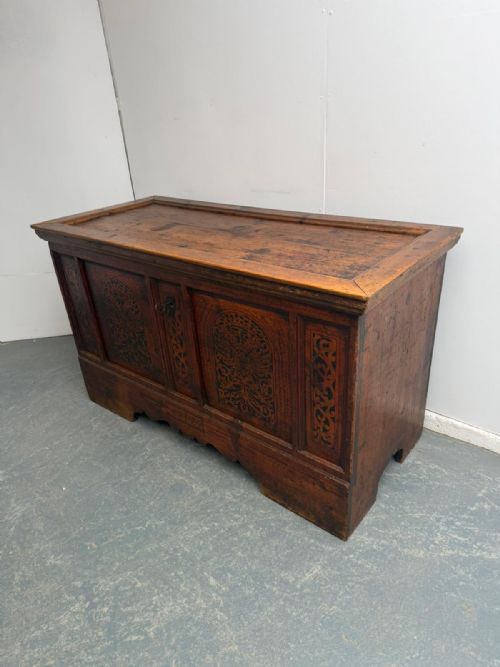


Painted Wood Coffer
A painted wood coffer brings robust utility and vibrant folk tradition into a room, offering practical storage disguised in rich pigments and historic ornament.
Painted Wood Coffer
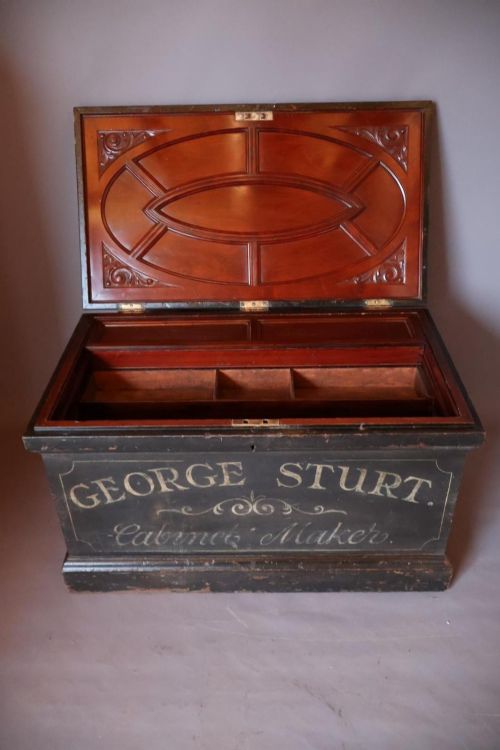
A painted wood coffer functions primarily as a sturdy storage box, blanket chest, or travel trunk designed to hold household goods or personal belongings. These items range from simple pine blanket boxes to elaborate marriage chests and strong boxes.
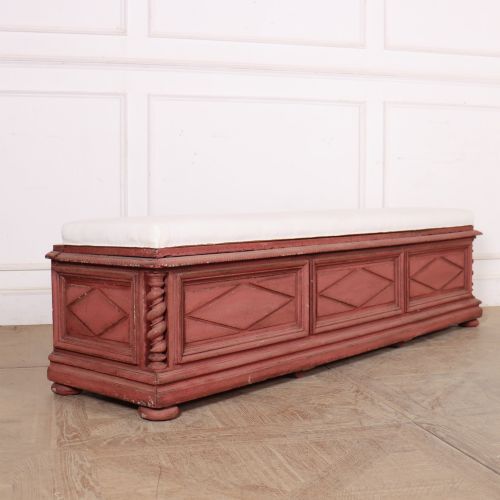
The pieces on this page span several centuries, with a strong representation of nineteenth-century Scandinavian pine boxes alongside items from Chinese, Italian, Spanish, and Indian traditions. Form follows function closely, resulting in rectangular bodies intended to withstand transport or heavy daily use.
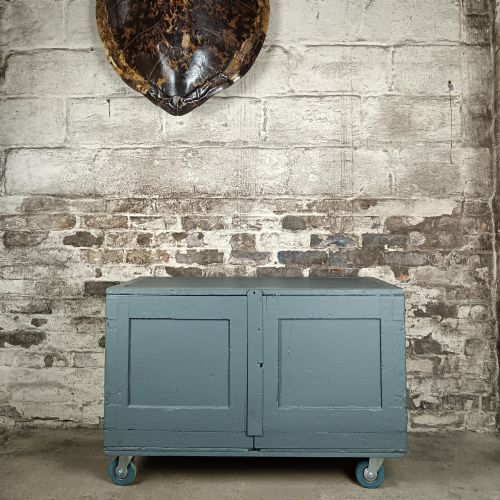
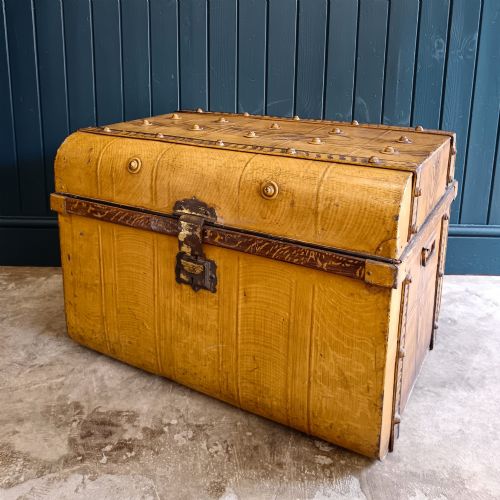
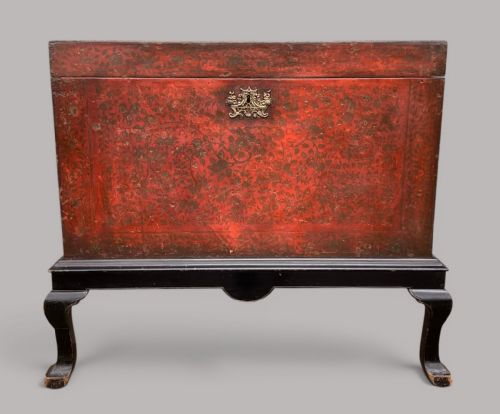
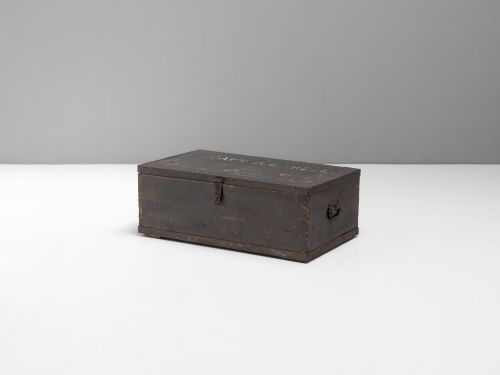
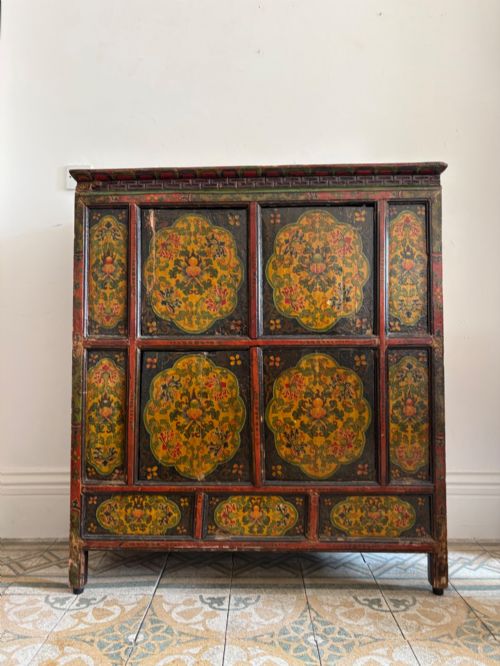
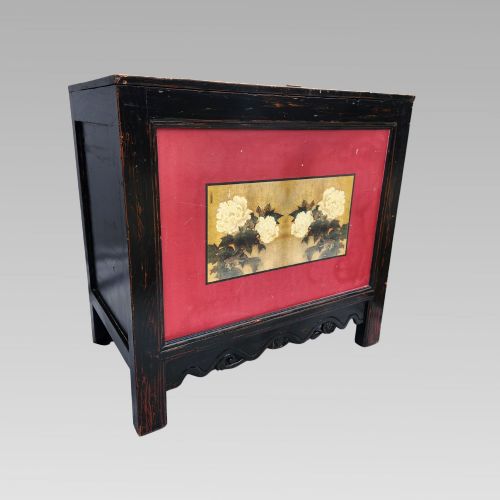
Buyers seeking a painted wood coffer encounter variations from rustic folk art pieces featuring floral decoration and labyrinth motifs to utilitarian campaign cases and lacquered export chests. Each regional tradition applies surface colour and pigment differently to transform plain timber into a decorative focal point.
What varies in quality
The distinction between standard utility items and finer examples rests largely in the preservation of the original paint surface and the sophistication of the decoration. Pieces retaining untouched folk art motifs, complex floral brushwork, or genuine regional ornament command greater interest than later repainted surfaces.
Structural honesty and the retention of original hardware, such as wrought iron locks, brass escutcheons, and transport handles, separate authentic travel trunks from heavily restored alternatives. The quality of the underlying joinery, particularly in larger camphor wood or pine chests, determines how well the timber endures without excessive warping.
Painted Wood Coffer Retail Price Guide 2026
Typical asking prices for painted wood coffer among the pieces listed under this phrase on Sellingantiques today, from the lower quarter to the upper quarter. They describe what is for sale here now, not the wider market.
Several Swedish pine chests hide intricate labyrinth motifs beneath their lids, presumably painted to amuse the owner while selecting a blanket.
The Painted Wood Coffer Glossary
- Coffer
- A heavy wooden chest traditionally used for storing valuables or documents. These sturdy containers often featured flat lids suitable for seating.
- Cassone
- A traditional Italian marriage chest or large storage trunk, frequently decorated with elaborate painted panels or gilt work. These pieces served a central role in wedding processions and domestic furnishing.
- Scumbling
- A painting technique involving the application of a thin, translucent layer of colour over a different base coat to create mottled texture and depth. This method was often employed on Victorian pine to simulate more expensive grain patterns.
- Campaign case
- A portable chest or trunk built for military officers on the move, typically fitted with recessed brass handles and reinforced corners. These items prioritized rugged transportability alongside orderly internal compartments.
- Folk art
- Artistic work produced from an indigenous culture or peasant tradition, characterised by naive styling and local materials. In these listings, it frequently manifests as hand-painted floral or geometric motifs on Scandinavian pine.
Painted Wood Coffer: Frequently Asked Questions
What is a painted wood coffer?
A painted wood coffer is a lidded storage box finished with decorative pigments, ranging from folk art pine chests to lacquered export trunks.
Historically utilised for securing textiles, documents, or valuables, these boxes double as functional furniture pieces in contemporary spaces.
How were these trunks used historically?
These pieces served multiple functions, acting as travel luggage for military officers, dowry chests for brides, and domestic storage for blankets or logs.
Their robust construction allowed them to endure long journeys by sea and land before settling into domestic interiors.
How do I style a coffer at home?
A painted coffer works well at the foot of a bed for extra linen storage, as a coffee table in a living room, or as an entryway bench.
The decorative surface adds an element of historic pattern and colour to neutral interiors without overwhelming the room.
How can I tell regional styles apart?
Regional differences appear primarily in the choice of wood and the style of decoration, such as Scandinavian pine featuring geometric motifs alongside Chinese chests displaying lacquer and floral designs.
Hardware details and structural proportions also offer clues to whether a piece originated in European folk workshops or international trade routes.