

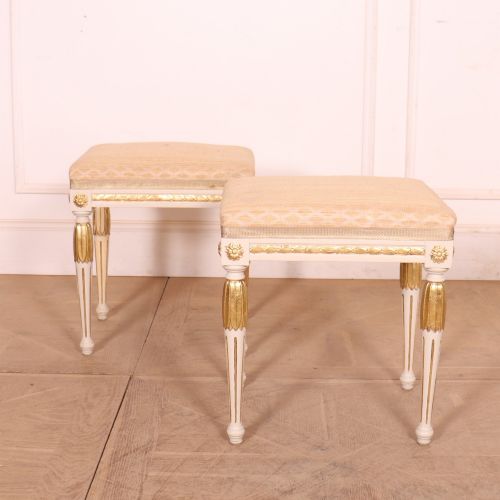


Painted Vanity Bench
These painted vanity bench pieces bring continental style and upholstered comfort to a dressing room or bedroom.
Painted Vanity Bench
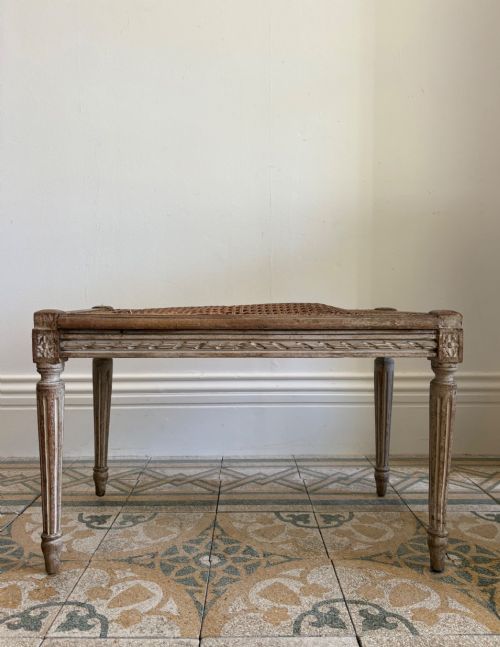
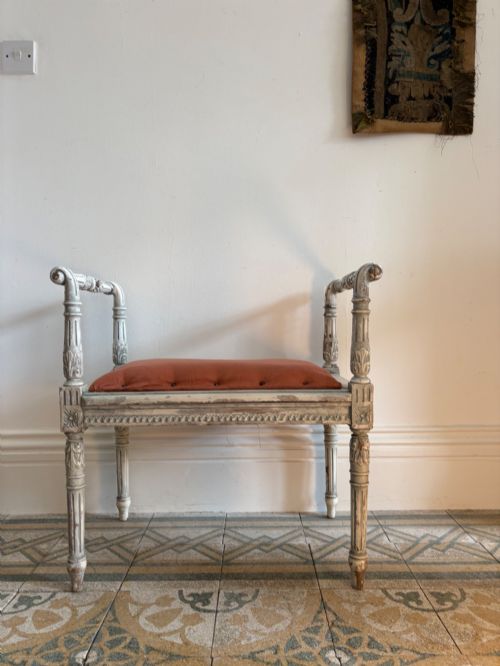
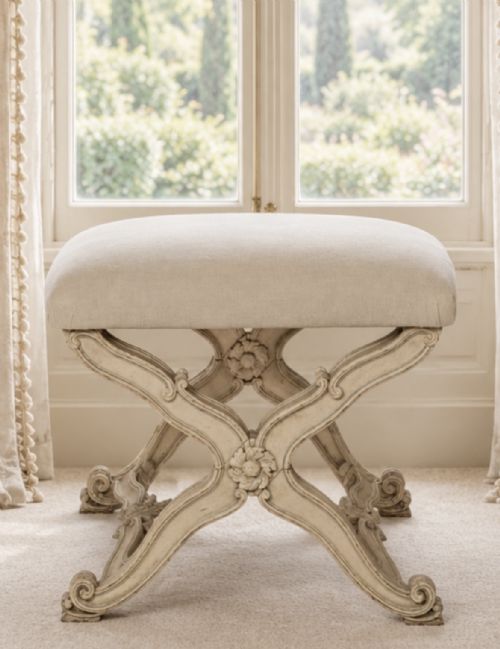
A painted vanity bench is typically encountered as a stool, footstool, or piano stool originating from European workshops across the nineteenth and early twentieth centuries. These seating forms range from compact individual stools to longer decorative examples designed for dressing tables and salons.
How they were made
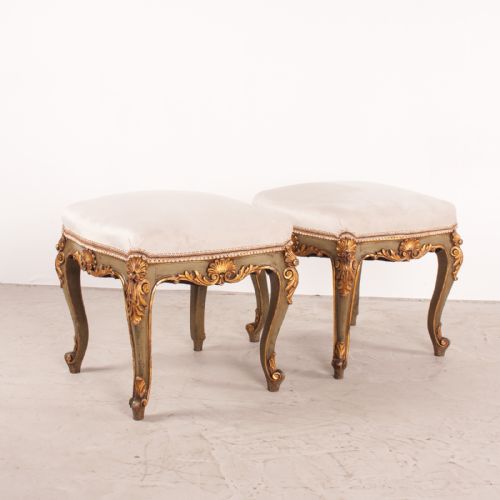
Construction relies on wood carcasses, frequently hand-carved and treated with painted and gilded surface finishes including gold leaf. Workshops applied white or decorative painted coats over timber frames, sometimes augmenting the aesthetic with carved detailing.
Upholstery forms an essential component of these pieces, utilising materials such as silk, linen, velvet, and fabric to finish the seats. Needlework also appears on select Italian and continental stools, completing the upholstered surface.
Painted Vanity Bench Retail Price Guide 2026
Typical asking prices for painted vanity bench among the pieces listed under this phrase on Sellingantiques today, from the lower quarter to the upper quarter. They describe what is for sale here now, not the wider market.
Piano stools rub shoulders with chateau seating, proving that nineteenth-century bottoms were universally catered for.
What varies in quality
Quality rests in the precision of the hand-carved woodwork and the integrity of the painted and gilded surfaces applied to the frame. Superior examples demonstrate refined proportions and crisp decorative detail rather than purely utilitarian construction.
The execution of the upholstery and the choice of covering material, from plain linen to bespoke silk and velvet, dictate the tactile and visual refinement of the piece. Matching pairs and integrated needlework further distinguish the upper tier of these furnishings.
The Painted Vanity Bench Glossary
- Gustavian Neoclassical
- A Swedish aesthetic characterised by restrained classical symmetry, light colour palettes, and elegant, simplified carved motifs. It draws inspiration from French royal styles adapted to Nordic interiors.
- Continental Rococo
- A decorative style defined by asymmetrical C-scrolls, floral ornamentation, and fluid, curving lines found across eighteenth-century Europe and later nineteenth-century revivals. This movement favoured theatricality and elaborate surface decoration over rigid geometry.
- Gold Leaf
- Extremely thin sheets of beaten gold applied to wooden frames and carved details to create a luminous metallic finish. It was extensively utilised in continental furniture to highlight ornamental carvings.
- Needlework
- Hand-stitched textile work, often executed in wool or silk threads upon a canvas ground, used historically for durable and decorative seat covers. These covers frequently display floral or geometric patterns.
Painted Vanity Bench: Frequently Asked Questions
Where do painted vanity benches fit best?
These compact seats suit dressing rooms, bedrooms, and hallways where a small, decorative stool is required.
Their varied heights and narrow profiles allow them to sit neatly beneath dressing tables or function as movable footstools.
How do I identify a Gustavian style piece?
Gustavian pieces typically feature pale painted finishes, often white or soft grey, combined with subtle neoclassical carved details.
Swedish makers of the nineteenth century favoured this restrained aesthetic over the heavier ornamentation seen in other continental regions.
What fabrics are used on these stools?
Upholstery materials range from simple linen and woven fabrics to luxurious silk and velvet seat covers.
Some continental examples also incorporate detailed needlework panels stitched directly onto the seat.
Are pairs common for these stools?
Matched pairs appear frequently among nineteenth-century French and Swedish listings, intended for symmetrical placement in grand interiors.
Single stools are equally prevalent, serving as individual accents near dressing areas or pianos.