




Hand Painted Stool
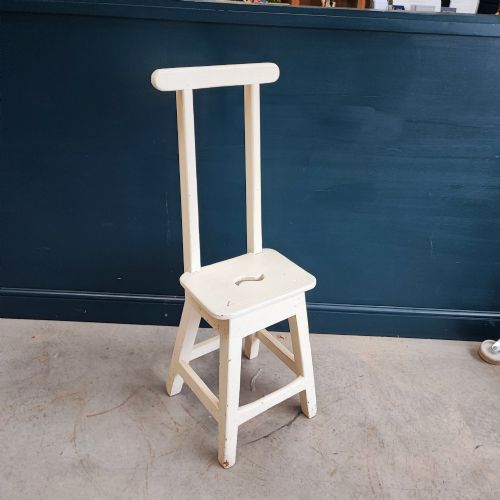
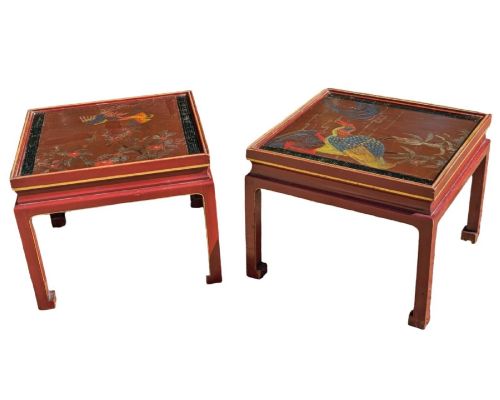
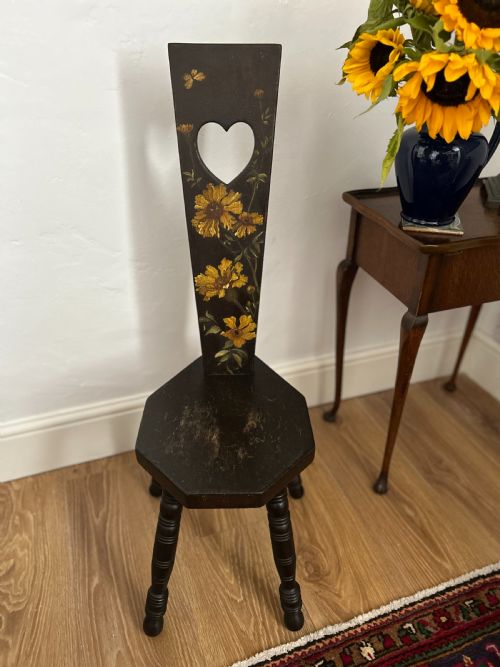
These hand painted stool examples range from Welsh folk art to Chinese garden seats, bringing vibrant colour and character into your home.
Hand Painted Stool
When you search for a hand painted stool, you encounter a remarkably diverse group of seating and display furniture spanning the nineteenth and early twentieth centuries. These pieces cross various cultural traditions, from Welsh spinning chairs and French low stools to intricate Asian garden seats.
The version you are most likely to meet on this page is the ceramic or porcelain garden seat, often decorated with floral or figurative motifs from the Chinese Qing Dynasty and Republic periods. Alongside these, wooden folk art stools and plant stands appear frequently, each bearing distinct painted surfaces.
The forms extend beyond conventional domestic seating to include barrel-shaped garden seats, low accent pieces, and piano stools. Originating from diverse regions such as China, India, the Middle East, and Europe, these items serve functional roles and decorative purposes alike.
How they were made
Makers utilised traditional woodworking techniques for wooden examples, shaping hardwoods and softwoods into spinning chairs, plant stands, and rustic seats before applying decorative pigments. French and Welsh pieces often display hand carving on the wooden frames prior to the paint application.
Ceramic garden seats were shaped in clay, fired, and finished with detailed glazes, enamel, and occasionally gold leaf. Chinese rose medallion and blue and white pieces required precise brushwork on porcelain surfaces before final firing.
Hand Painted Stool Retail Price Guide 2026
Typical asking prices for hand painted stool among the pieces listed under this phrase on Sellingantiques today, from the lower quarter to the upper quarter. They describe what is for sale here now, not the wider market.
Listings feature periods spanning from the nineteenth century through the early twentieth century, utilising wood, porcelain, paint, gold leaf, enamel, and glaze.
What varies in quality
The distinction between standard examples and superior pieces rests on the execution of the hand-painted decoration and the integrity of the material. Finer ceramic garden seats exhibit crisp enamel work and well-preserved gilt details, while better wooden stools showcase refined carving and stable joinery.
Age and regional authenticity heavily influence the standing of each piece, with nineteenth-century examples generally demonstrating more intricate craftsmanship than later reproductions. The preservation of the original painted surface remains paramount in determining the overall character.
The Hand Painted Stool Glossary
- Rose Medallion
- A nineteenth-century Chinese porcelain style characterised by segmented panels filled with figures, birds, and flowers, typically picked out in pink enamel and gold leaf. This vibrant palette defines many garden seats from the period.
- Garden Seat
- A barrel-shaped or drum-like stool, usually made from ceramic or porcelain, designed for indoor or outdoor use. These items often feature pierced coin motifs on the sides.
- Qing Dynasty
- The final imperial dynasty of China, lasting from the mid-seventeenth century to the early twentieth century. Pieces from this era often feature traditional hand-painted motifs and rich glazes.
- Spinning Chair
- A traditional low wooden seat, frequently originating from Wales, featuring a carved and painted backrest and seat. These were historically used for domestic crafts.
- Chinoiserie
- European artistic style reflecting Chinese artistic influences, seen in decorative painted furniture and objects. It mimics Asian design traditions through Western interpretations.
Hand Painted Stool: Frequently Asked Questions
Where should I put a garden seat?
These ceramic pieces function well as accent seating in living rooms, conservatories, or hallways, or as small side tables next to a chair. Their durable glazed surfaces also suit sheltered outdoor spaces.
Because they take up minimal floor space, you can easily move them around to provide an extra seat or a stable surface for plants and books.
How do I clean painted wood?
Dust wooden stools gently with a soft, dry cloth to protect the painted and carved surfaces from moisture damage. Avoid modern chemical sprays that might lift older finishes.
For stubborn marks, a slightly damp cloth used sparingly is usually sufficient, followed immediately by drying with a clean towel.
Are ceramic garden seats heavy?
Ceramic and porcelain garden seats are substantial items, often weighing considerably more than wooden stools of a similar size. Their solid fired construction provides stability when used as seats or stands.
When repositioning them, lift from the base rather than any decorative pierced sections to avoid putting stress on the glaze or porcelain body.
How do I identify a nineteenth-century piece?
Nineteenth-century items typically display the weight, wear patterns, and material characteristics consistent with the period, such as craquelure in porcelain glazes or hand-tool marks on hardwoods. Examine the underside and interior surfaces for signs of age.
Comparing the decorative motifs against documented styles from the Qing Dynasty or European folk traditions helps confirm the era of manufacture.