


Painted Timber Cupboard
A painted timber cupboard brings practical storage and surface colour into a room, spanning rustic pine kitchen pieces to formal glazed bookcases.
Painted Timber Cupboard
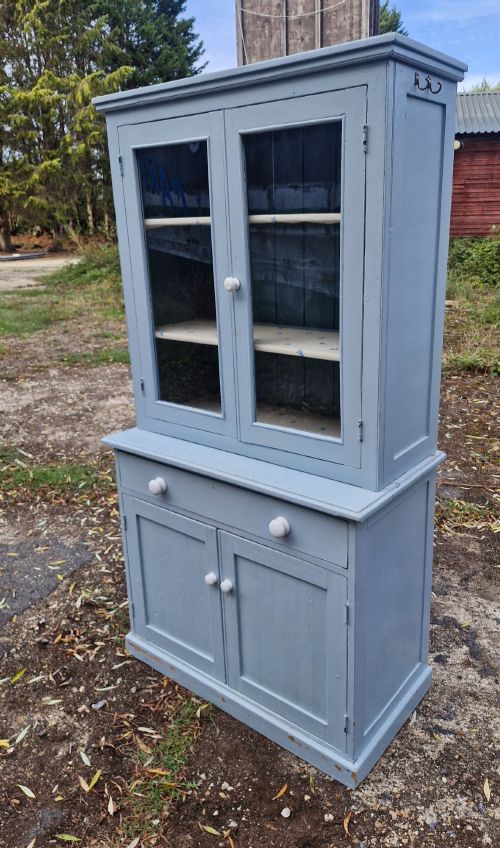
A painted timber cupboard provides essential household storage across styles from English country house utility to continental provincial elegance. When searching for a painted timber cupboard, buyers encounter everything from modest kitchen dressers and corner units to large breakfront bookcases and wardrobes.
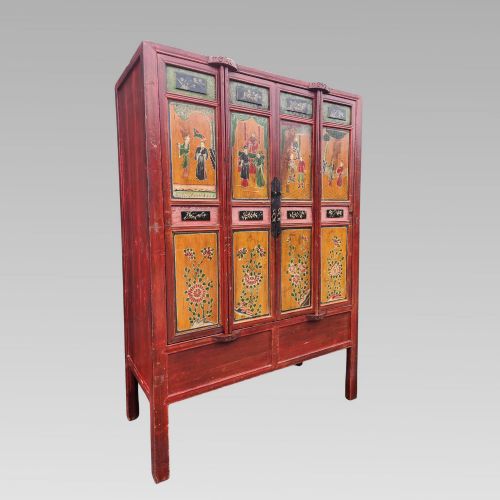
The pieces on this page originate from diverse traditions spanning the eighteenth and nineteenth centuries into the nineteen-thirties. Examples include Swedish Gustavian cabinets, Italian polychrome wardrobes, Chinese marriage storage, and scumble-painted housekeeper larders.
How they were made
Makers constructed these storage pieces primarily from pine, cedar, and other solid timbers, assembling doors, shelving, and frames with traditional joinery. Iron and brass hardware such as hinges, handles, and latches secure the heavy wooden doors and drawers.
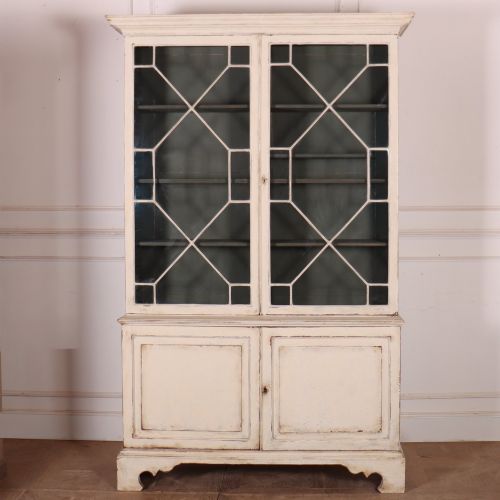
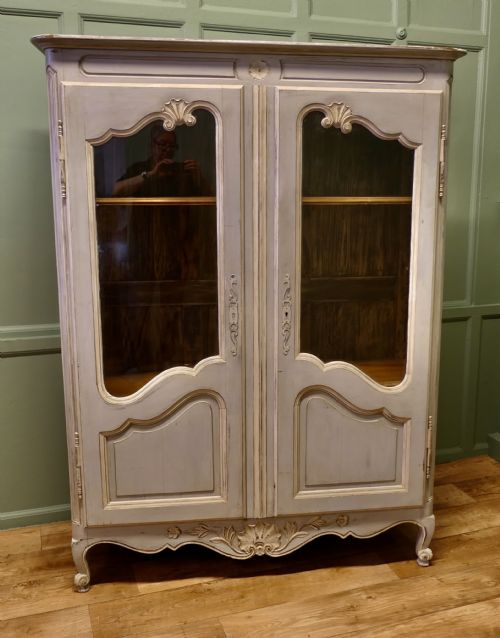
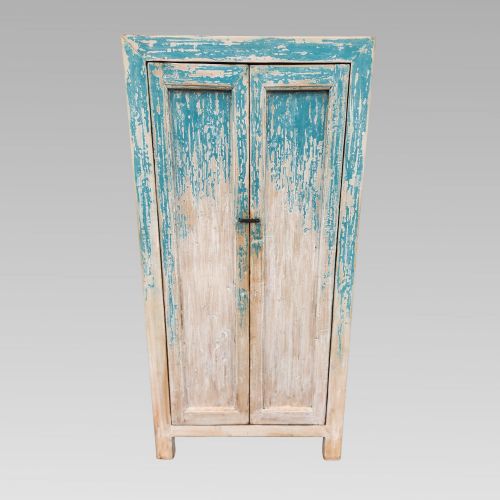
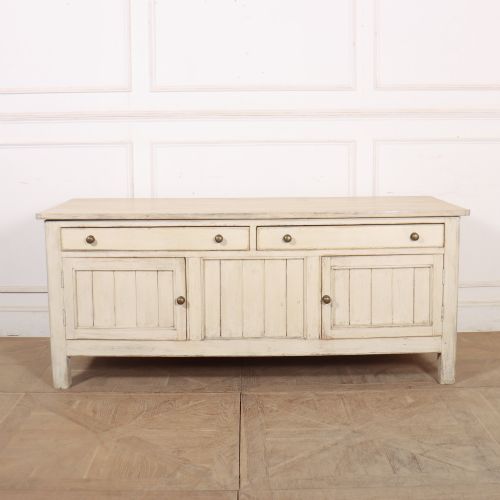
Surface decoration relies on layers of paint, scumble effects simulating oak grain, polychrome pigments, and hand-painted motifs in regional styles. Glass panels appear in glazed bookcase doors and vitrines, while hand-carved details accent French and Gothic designs.
Listings feature pieces spanning the eighteenth century through to nineteen-thirty, built from pine, cedar, and satinwood with painted, scumbled, and polychrome finishes.
What varies in quality
Quality rests upon the integrity of the original timber frame and the preservation of historic paint surfaces rather than modern restoration. Pieces retaining their initial pigment or scumble decoration hold greater character than those with later repainting.
Construction methods distinguish everyday vernacular items from grander architectural cabinets, with finer pieces showing careful proportions, integrated shelving, and robust brass or iron fittings.
The Painted Timber Cupboard Glossary
- Scumble paint
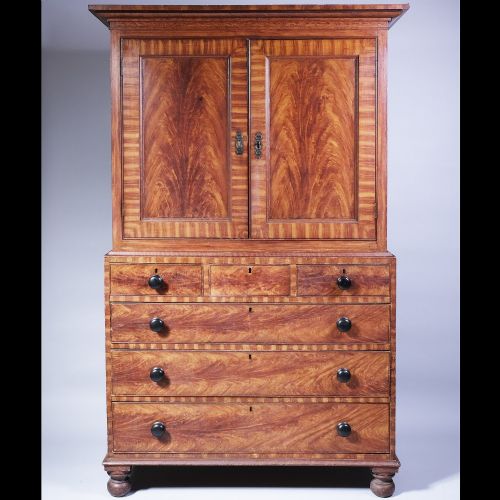
- A decorative technique where translucent glaze is manipulated over a lighter base coat to imitate wood grain or create textured depth. This finish appears frequently on nineteenth-century pantry and housekeepers' cupboards.
- Breakfront
- A piece of furniture whose central section projects forward from the flanking wings. This architectural form provides visual rhythm to large bookcases and dressers.
- Polychrome
- Decorated in multiple colours. This vibrant surface treatment distinguishes certain continental wardrobes and storage cabinets.
- Vitrine
- A glass-fronted cabinet used for displaying books or precious objects. These pieces combine secure wooden storage with visible display space.
- Gustavian
- The Swedish interpretation of French neoclassical design, characterised by pale painted finishes and restrained classical carving. These cabinets bring a bright, orderly aesthetic to domestic interiors.
Painted Timber Cupboard: Frequently Asked Questions
Where should I put a painted timber cupboard?
These storage units suit kitchens, hallways, and living spaces where they provide functional shelving alongside decorative colour. Taller bookcases and wardrobes work well against generous walls, while corner cupboards utilise neglected angles.
Positioning pieces away from direct heat sources protects the historic timber and maintains the integrity of the original painted surface.
How do I clean a painted timber cupboard?
Dust surfaces gently with a soft, dry cloth to prevent accumulation of grit without disturbing delicate historic finishes. Avoid modern chemical sprays and abrasive cleaners that can strip old paint or scumble glazes.
For stubborn marks, use a slightly damp cloth with mild soap, drying the area immediately to protect the underlying wood.
Are painted timber cupboards suitable for modern clothing storage?
Many larger wardrobes and kitchen cupboards offer deep interior space and adjustable shelving suitable for contemporary garments and linens. Freestanding storage cabinets provide flexible wardrobe alternatives in bedrooms without fitted closets.
Check internal dimensions and shelf configurations to ensure compatibility with modern hangers and folded items.
How do I distinguish eighteenth-century pieces from nineteenth-century ones?
Earlier eighteenth-century cabinets often feature hand-carved details, pegged joinery, and specific regional proportions associated with country workshops. Nineteenth-century examples frequently introduce mass-produced hardware and varied revival styles like Gothic or Rococo.
Examining the nail types, saw marks, and wear patterns inside the carcass helps reveal the age of construction.