
Antique Lacquered Cabinet
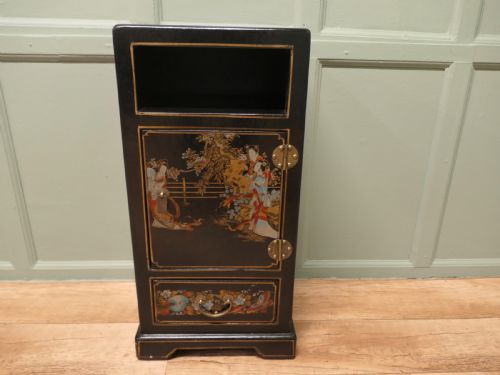
When looking for an antique lacquered cabinet, you enter a rich tradition of Asian and European decorative arts designed to hold precious objects.
Antique Lacquered Cabinet
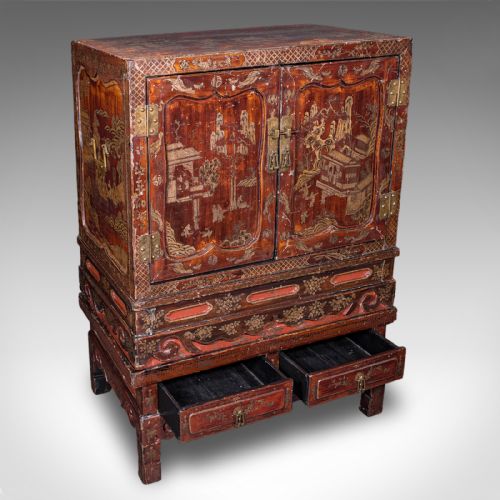
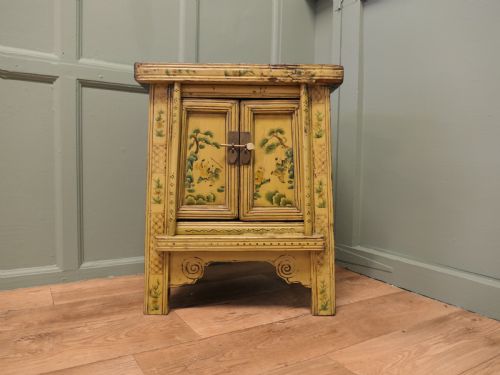
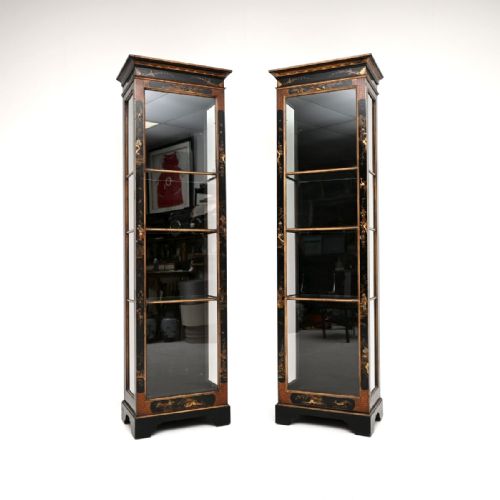
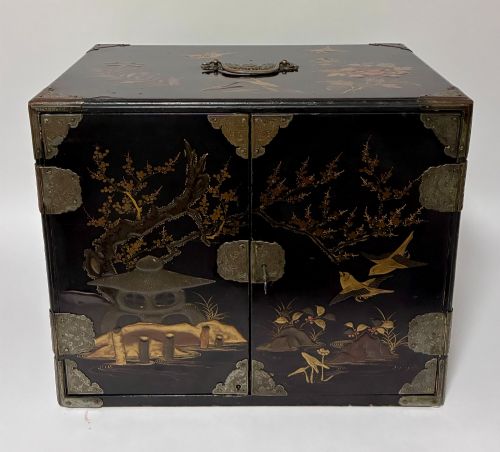
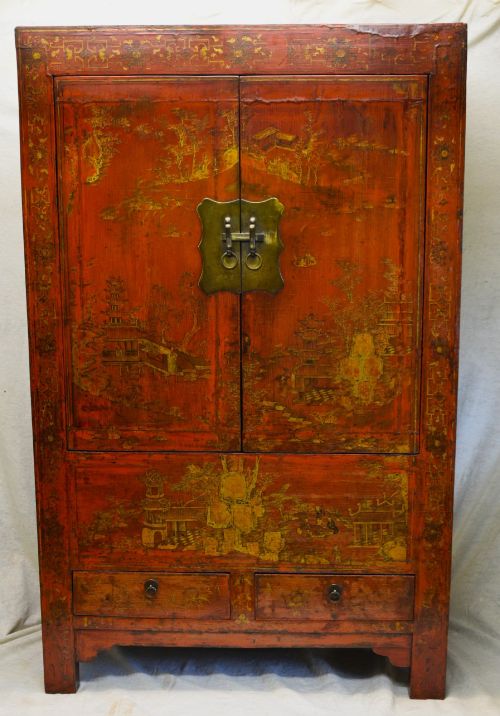
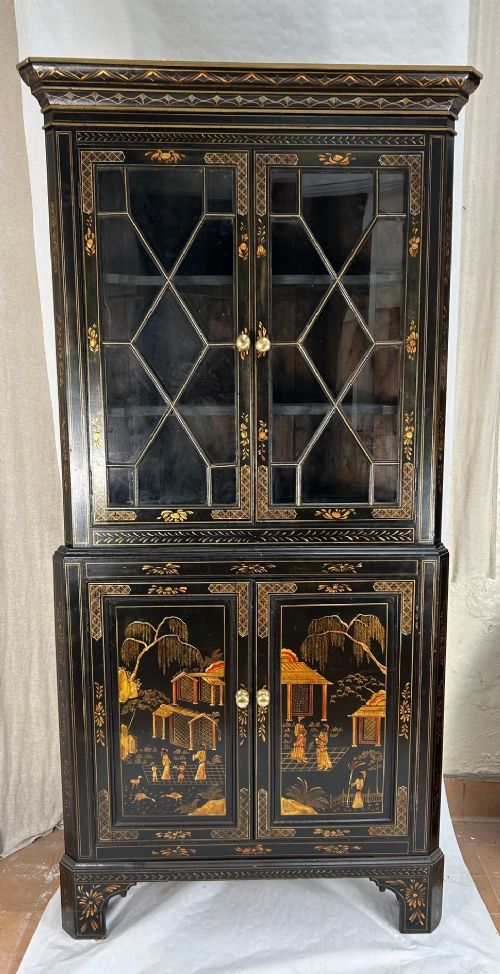
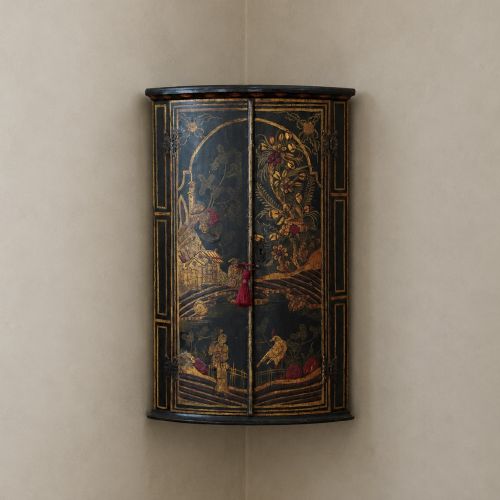
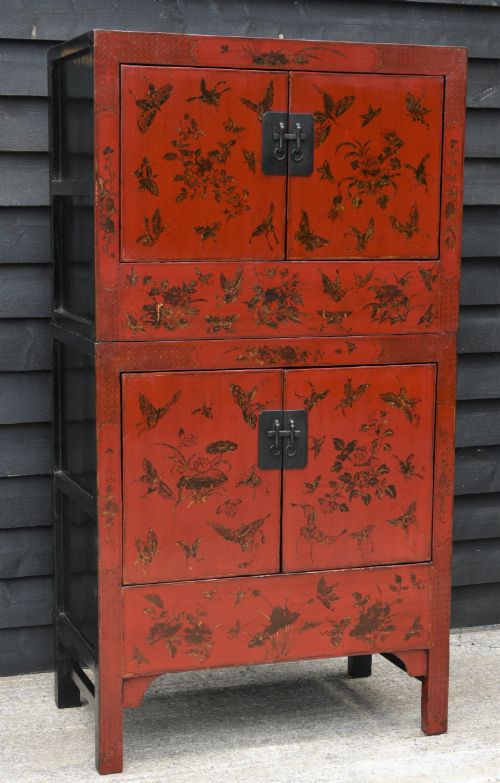
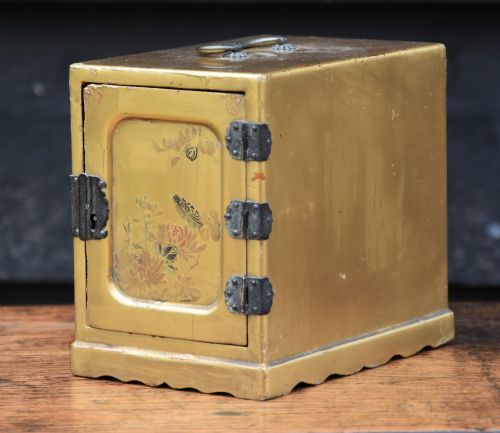
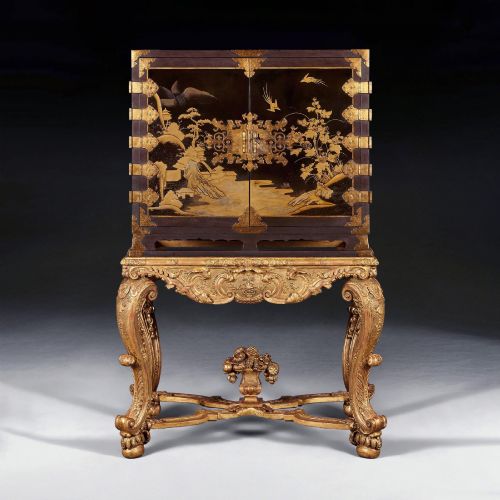
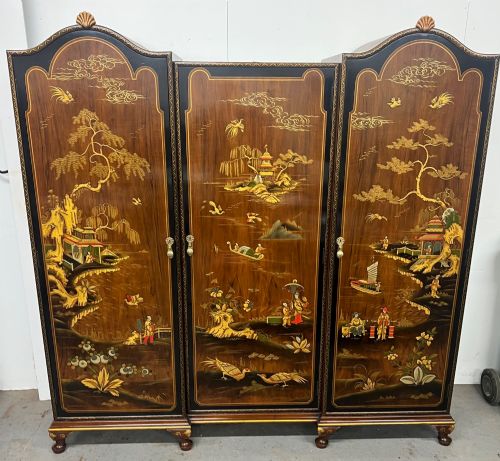
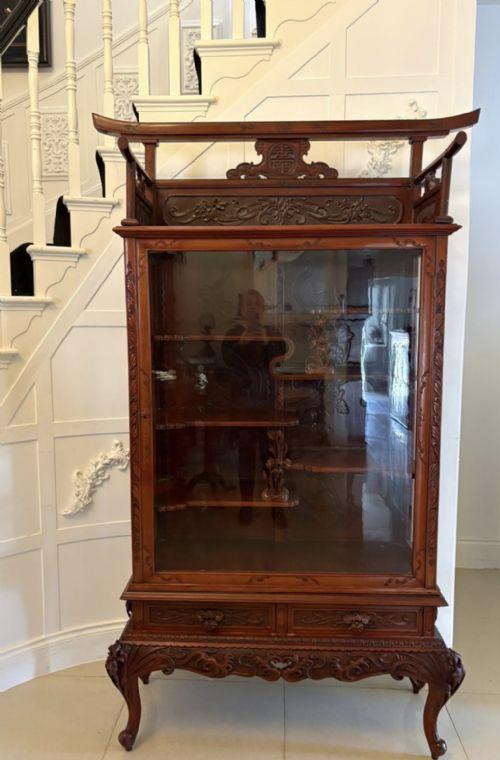
An antique lacquered cabinet encompasses diverse forms ranging from large Chinese wedding chests and marriage cabinets to Japanese tabletop kodansu boxes, shodana display shelves, and European Chinoiserie corner cupboards.
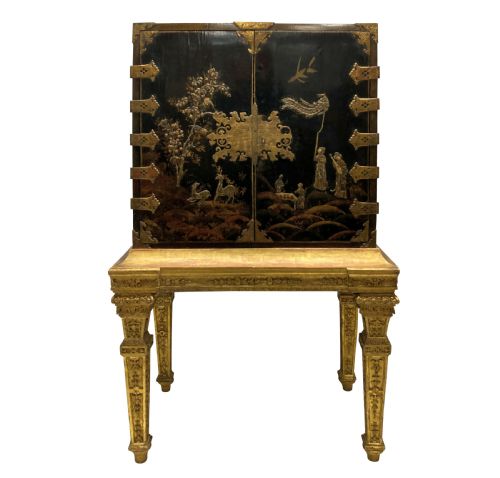
The pieces on this page span several centuries, including 17th-century craftsmanship on stands, 18th-century Japanned storage, Victorian interpretations, and 20th-century cocktail cabinets.
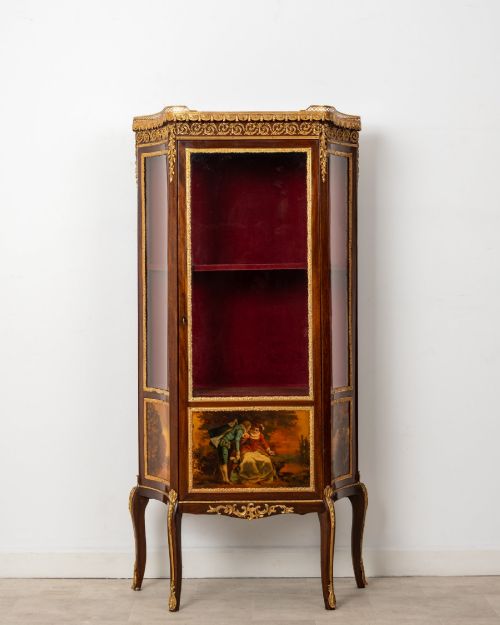
Chinese elm and hardwood storage pieces sit alongside delicate French Vernis Martin secretary desks and Japanese export pieces featuring intricate gilt decoration.
How They Were Made
Artisans applied multiple layers of lacquer to wooden substrates such as elm, mahogany, or kingwood, often finishing the surfaces with hand-painted scenes or carved relief details.
Gilt bronze, brass or ormolu mounts, and gold leaf highlights frequently accent the rich black, red, or cream lacquer grounds.
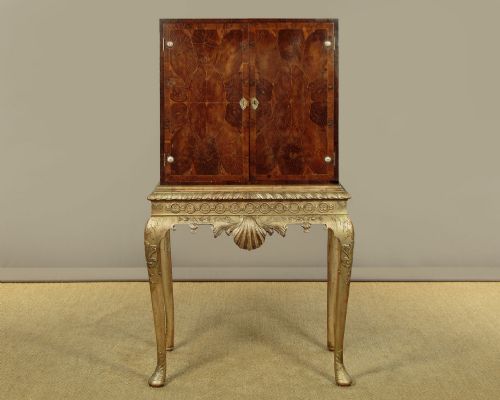
Many elevated forms combine the main body with a separate carved wooden stand, sometimes utilising French giltwood or silvered frames.
Some apothecary chests listed here contain up to eighty tiny drawers originally designed for sorting traditional dried herbs and medicinal remedies.
What Varies in Quality
The depth of the lacquer finish and the complexity of the painted or carved outdoor and floral scenes distinguish standard production from exceptional examples.
Hardware integrity, such as original brass hinges, handles, and internal fittings, plays a substantial role in maintaining the integrity of the piece.
The cohesion between the cabinet body and its supporting stand, particularly on pieces from the 17th and 18th centuries, indicates the authenticity of the pairing.
Maples and Co·Hille and Co
The Antique Lacquered Cabinet Glossary
- Japanned
- European imitation of Japanese lacquerwork popular during the 17th and 18th centuries. Craftsmen built up layers of varnish and applied metallic dust or painted decorations.
- Shodana
- Traditional Japanese tiered display cabinet featuring staggered shelves and small cupboards. These pieces were utilised for showing small treasures and scholar's objects.
- Vernis Martin
- 18th-century French imitation lacquer perfected by the Martin brothers. This technique produced glossy, translucent finishes on furniture such as secretaires and cabinets.
Antique Lacquered Cabinet: Frequently Asked Questions
What is a Chinese marriage cabinet?
A Chinese marriage cabinet is a large wooden storage piece traditionally given as a wedding gift to hold the bride's clothing and valuables. These items often feature striking red lacquer and auspicious brass hardware.
Many examples incorporate removable internal shelves or clothes hanging spaces suited for modern residential use. Their vibrant finishes make them natural focal points in contemporary interiors.
How do I style a lacquered corner cupboard?
A lacquered corner cupboard transforms unused room angles by introducing reflective surfaces and decorative colour. They work well in dining spaces or hallways where floor space is limited.
Glass-fronted display versions allow you to showcase ceramics or glassware, while solid door cupboards conceal everyday storage. The dark or brightly painted finishes complement both neutral walls and bolder colour schemes.
What is the difference between Japanese and Chinese cabinets?
Chinese cabinets frequently emphasise architectural symmetry, large brass faceplates, and red or black elm construction. Japanese examples often prioritize asymmetrical shelving, delicate gold leaf painting, and portable tabletop formats.
Both traditions rely on meticulous surface preparation and layered lacquer, but their decorative motifs and joinery reflect distinct regional aesthetics and historical periods.
How do I care for antique lacquer?
Antique lacquer requires gentle dusting with a soft, dry cloth and protection from direct sunlight and extreme humidity fluctuations. Avoid commercial liquid polishes or abrasive cleaners.
Keeping the environment stable preserves the underlying wood and prevents the delicate surface decoration from cracking or lifting over time.