
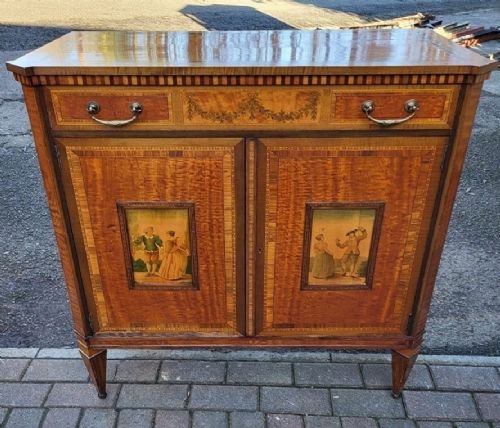


Small Painted Sideboard
A small painted sideboard brings character to a room while offering practical storage, spanning styles from French provincial to English country.
Small Painted Sideboard
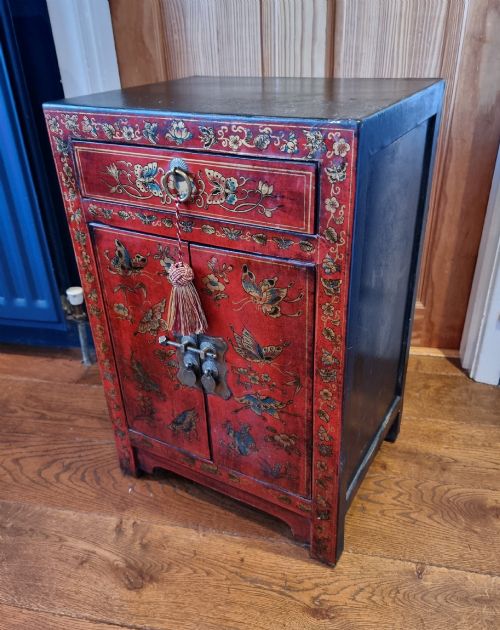
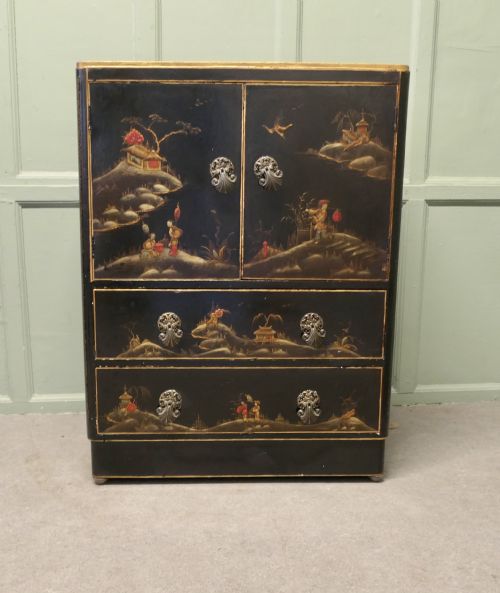
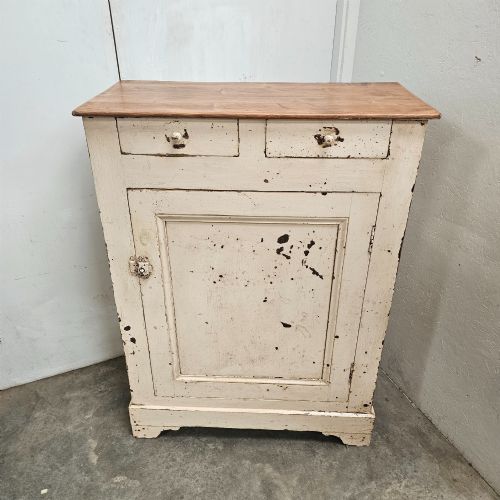
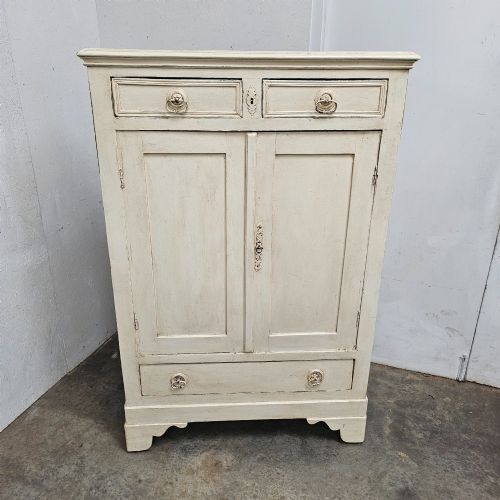
A small painted sideboard encompasses compact cabinets, cupboards, and dresser bases designed for storage in kitchens, halls, and dining spaces. When searching for a small painted sideboard, buyers encounter items ranging from nineteenth century French confituriers and miniature dressers to twentieth century Chinoiserie lacquer cupboards.
The selection includes pieces spanning the eighteenth century, the Victorian era, and the nineteen thirties. Forms vary from Welsh pine dresser bases and shallow side cabinets to specific regional pieces like French pine linen cupboards.
Makers and specific styles shape the inventory, including Adam Revival satinwood side cabinets and hand-painted cupboards created in the Pre-Raphaelite style or by contemporary artists like Melissa White. Buyers frequently meet painted pine, lacquered wood, and mahogany constructions decorated with colour, gilt, or intricate motifs.
Materials and construction methods
Makers built these pieces using traditional timber foundations such as pine, maple, and mahogany, often applying layers of paint, lacquer, or gilt to the exterior surfaces. Pine serves as the primary structural wood for regional pieces like Welsh dresser bases and French confituriers, whilst finer decorative examples utilise satinwood or maple.
Surface decoration involves hand-painting, lacquering, and inlay work, seen clearly in black and red Chinoiserie cupboards and Adam Revival side cabinets. Metal elements, including brass handles, iron hinges, and structural fastenings, provide functional and decorative details across nineteenth and twentieth century examples.
Miniature dressers offer all the charm of a full-size Welsh dresser in a scale small enough to sit comfortably on a table.
Distinctions in quality and execution
Quality rests in the precision of the cabinet work, the integrity of the timber joints, and the skill evident in the hand-applied painted or lacquered decoration. Finer pieces demonstrate careful proportion and sophisticated surface finish, such as authentic Chinoiserie detailing or intricate satinwood inlay.
The character of the paint surface distinguishes simpler country furniture from high style revival pieces. Original or well-preserved decorative schemes, whether French provincial finishes or Pre-Raphaelite hand-painting, elevate the execution of the piece.
Maple and Co·Melissa White
The Small Painted Sideboard Glossary
- Confiturier
- A French jam cupboard designed for storing preserves and small provisions. These compact cabinets typically feature a single door above a small drawer.
- Chinoiserie
- European decorative style reflecting Chinese artistic traditions. This technique employs lacquer, gilt, and painted motifs depicting figures, landscapes, and floral patterns.
- Gustavian
- Swedish neoclassical style characterised by pale paint finishes and restrained classical ornamentation. This aesthetic emerged during the reign of Gustav III and influences light, functional furniture.
- Dresser Base
- The lower section of a traditional Welsh or country dresser, featuring surface top space with cupboards and drawers underneath. These sturdy pieces serve as functional sideboards in modern interiors.
- Adam Revival
- Nineteenth century architectural and furniture style inspired by the neoclassical designs of the Adam brothers. Pieces often incorporate satinwood, fine inlay, and classical motifs.
Small Painted Sideboard: Frequently Asked Questions
What rooms suit a small painted sideboard?
These compact cupboards and dresser bases fit comfortably into dining rooms, hallways, and kitchens where floor space is limited. Their modest proportions allow them to serve as practical side storage without overwhelming the surrounding interior.
They function well against plain walls or beneath artwork, offering surface display space alongside enclosed storage for tableware, linens, or household items.
How do I identify a French confiturier?
A confiturier is a traditional French jam cupboard, typically built with a single door enclosing shelving and a small drawer above. These pieces originated as functional kitchen storage for preserves.
Their narrow footprint and painted pine construction distinguish them from larger armoires and sideboards found in French provincial interiors.
Are Chinoiserie cupboards difficult to live with?
Chinoiserie cupboards featuring lacquered surfaces and painted decoration require standard care suited to antique wooden furniture. Keeping them away from direct sunlight preserves the richness of the red or black lacquer and gilt details.
Regular dusting with a dry cloth protects the painted finish while maintaining the decorative impact of these nineteenth and twentieth century pieces.
How do I tell an 18th century pine dresser base apart from later pieces?
Eighteenth century pine dresser bases display hand- cut joinery, timber patination, and construction methods characteristic of earlier Welsh and English country craftsmanship. The timber shows the marks of age and use accumulated over generations.
Later Victorian and revival pieces utilise similar pine materials but often exhibit different interior linings, hardware, and manufacturing tolerances consistent with nineteenth century workshop practices.