





Painted Porcelain Wall Display
A painted porcelain wall display brings vibrant colour, intricate motifs and historical craftsmanship straight to your interior walls.
Painted Porcelain Wall Display
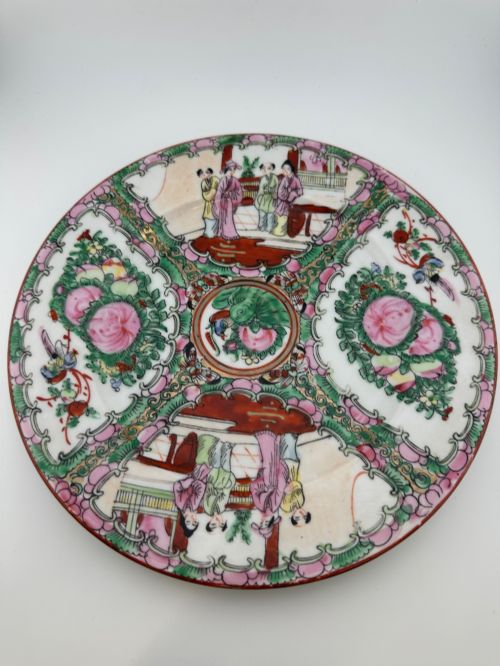
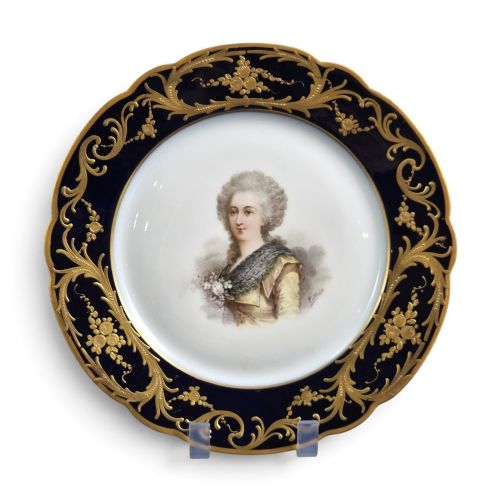
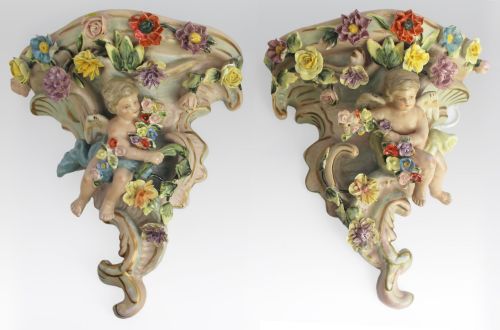
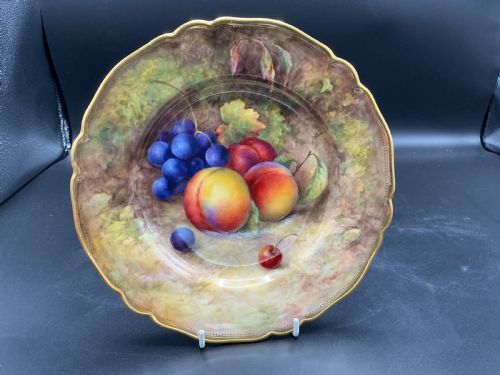
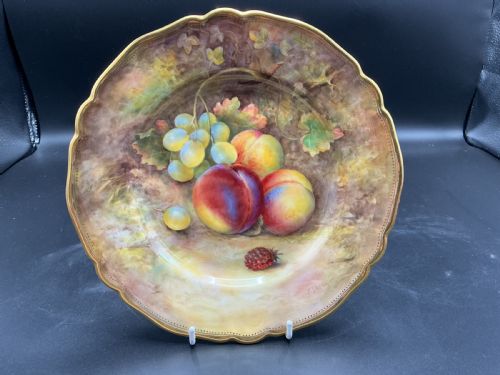
A painted porcelain wall display uses decorative ceramic pieces, predominantly circular plates, chargers and wall corbels, designed to be mounted directly onto vertical surfaces. When you search for a painted porcelain wall display, you encounter a diverse array of items originating from eighteenth-century Chinese export workshops, nineteenth-century European factories and Japanese Meiji period kilns.
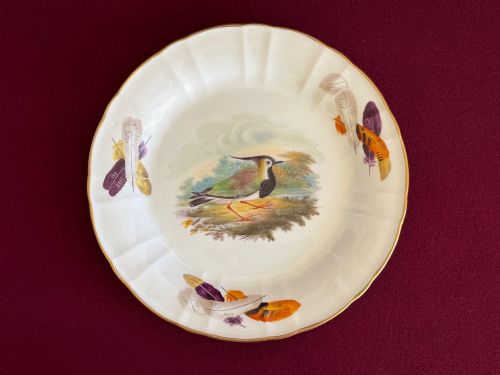
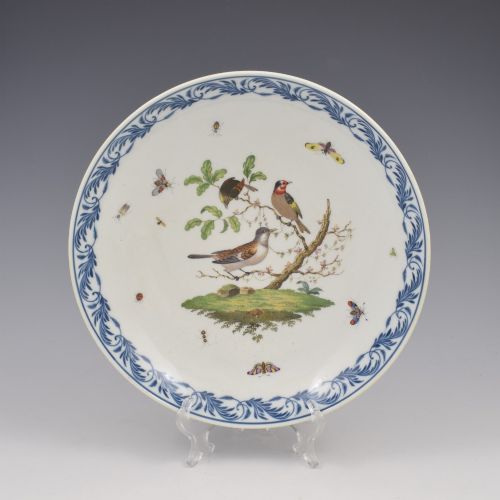
The selections span distinct aesthetic traditions, from traditional English bird and fruit studies to elaborate Japanese Imari patterns and French portrait plates. You find single cabinet plates alongside matched pairs and larger sets, offering versatile options for interior arrangement.
Materials and manufacture
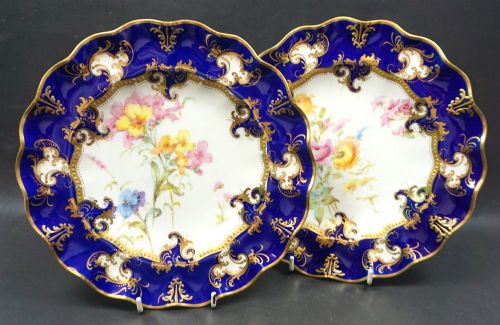
These pieces utilise fine ceramic bodies, including traditional porcelain, bone china and ironstone, shaped into plates, dishes and wall brackets before firing. Artisans then applied coloured enamels, detailed glazes and metallic elements such as gold leaf and standard gilding to create rich pictorial surfaces.
Painting techniques combined hand-brushing with fired pigments, capturing birds, botanical studies, heraldic crests and portraits with lasting durability. Many items incorporate reticulated or moulded borders that required specialist shaping prior to the final glazing stages.
Listings feature porcelain pieces spanning the eighteenth century through to the 1960s, incorporating bone china, enamel, and gold leaf.
Assessing quality and execution
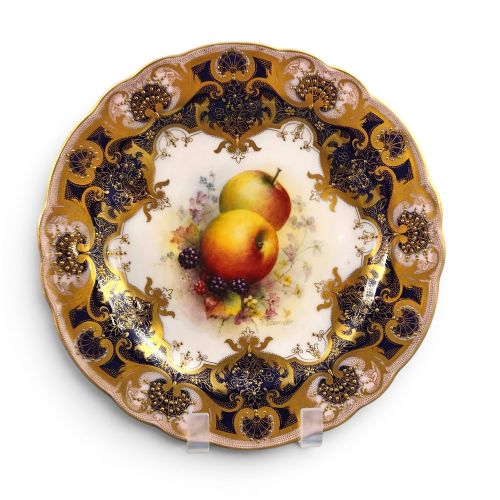
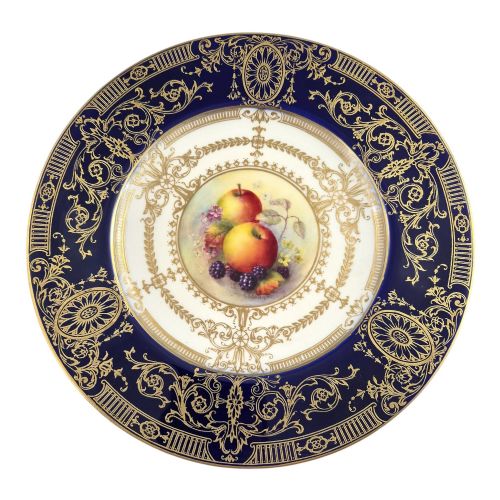
Quality rests primarily on the skill of the brushwork and the precision of the painted detail, separating standard production wares from master-painted cabinet pieces. Hand-painted fruit studies by known artists or intricate ornithological renderings display a depth of tone and execution that elevates the piece.
The clarity of the glaze, the richness of the applied gilding and the crispness of moulded porcelain elements further distinguish superior examples. Pieces bearing factory marks or legible artist signatures demonstrate established provenance and finer craftsmanship.
Royal Worcester·Royal Crown Derby·Meissen·Copeland·Coalport
The Painted Porcelain Wall Display Glossary
- Cabinet plate
- A decorative ceramic plate intended for display in a cabinet or on a wall rather than for everyday dining. These items frequently feature elaborate hand-painted scenes, gilt borders and fine porcelain bodies.
- Charger
- A large decorative plate used historically for formal service or prominently mounted for display. In these listings, chargers provide a wider canvas for complex Imari patterns and pictorial compositions.
- Imari
- A traditional Japanese style of porcelain decoration characterised by a palette of cobalt blue, iron red and supplementary gold. The style influenced European ceramic production during the eighteenth and nineteenth centuries.
- Reticulated
- Having an openwork or netted pattern formed by cutting through the clay before firing. This technique creates delicate, lace-like borders on decorative plates and dessert dishes.
- Armorial
- Decorated with a coat of arms or family crest. These bespoke porcelain pieces were commissioned by notable families to display lineage and status.
Painted Porcelain Wall Display: Frequently Asked Questions
How do I hang a painted porcelain wall display safely?
Secure mounting requires specialised spring-loaded plate hangers designed to grip the rim without damaging the ceramic body. Ensure the wall fixing supports the weight of heavier chargers and wall corbels.
Position displays away from high-traffic zones or doors where accidental knocks might dislodge the piece. Check the tension of the hanger periodically to maintain a secure hold.
What is the difference between an Imari plate and standard porcelain?
Imari refers to a specific decorative palette and origin, traditionally featuring underglaze cobalt blue combined with iron red and gilt highlights. Standard porcelain describes the white ceramic material itself, which can carry any style of painted decoration.
Japanese Imari pieces from the Meiji period display distinct asymmetrical motifs and dense patterning compared to European interpretations of the style.
How should I clean antique painted porcelain?
Dust the surface gently with a soft, dry artist's brush or microfiber cloth to remove everyday particles. Avoid using water or chemical cleaners on antique enamel and gilt surfaces, as moisture can damage degraded pigments.
Professional restoration is recommended if deeper cleaning is required to preserve delicate gilding and historical glaze.
How can I identify the age of these pieces?
Age is determined by examining factory marks, the composition of the ceramic body, and the painting style characteristic of specific periods such as the Victorian era or the eighteenth century. Signatures or dated inscriptions on the reverse offer direct chronological evidence.
Stylistic cues, including Rococo revival moulding or Aesthetic movement motifs, help narrow the production window when factory marks are absent.