

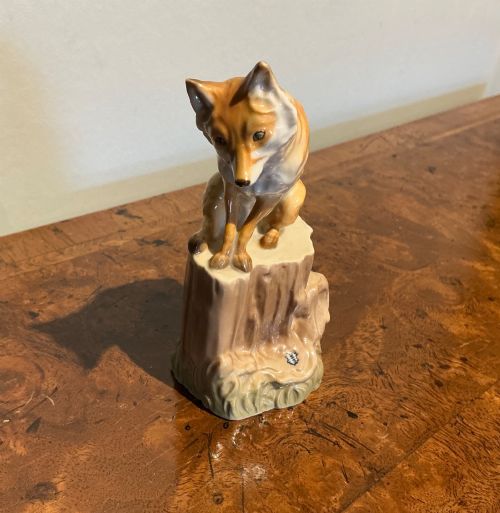
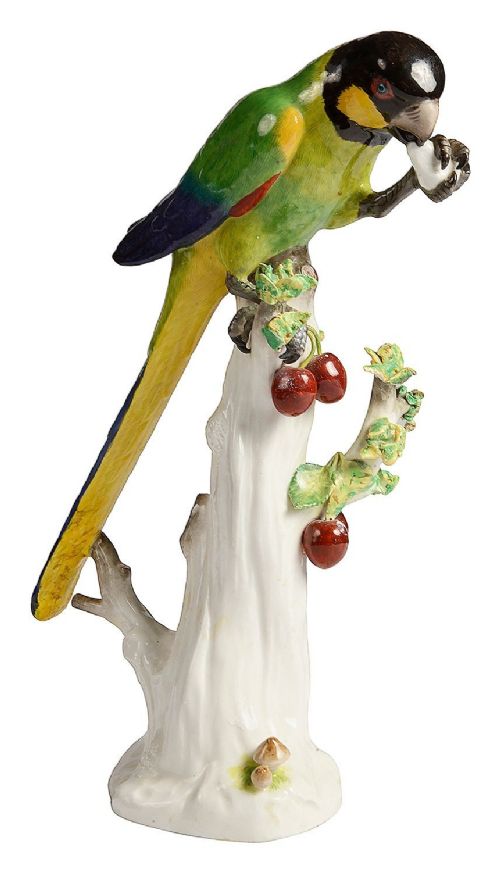
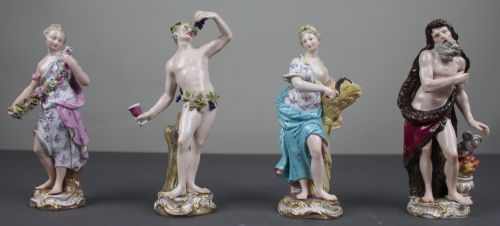
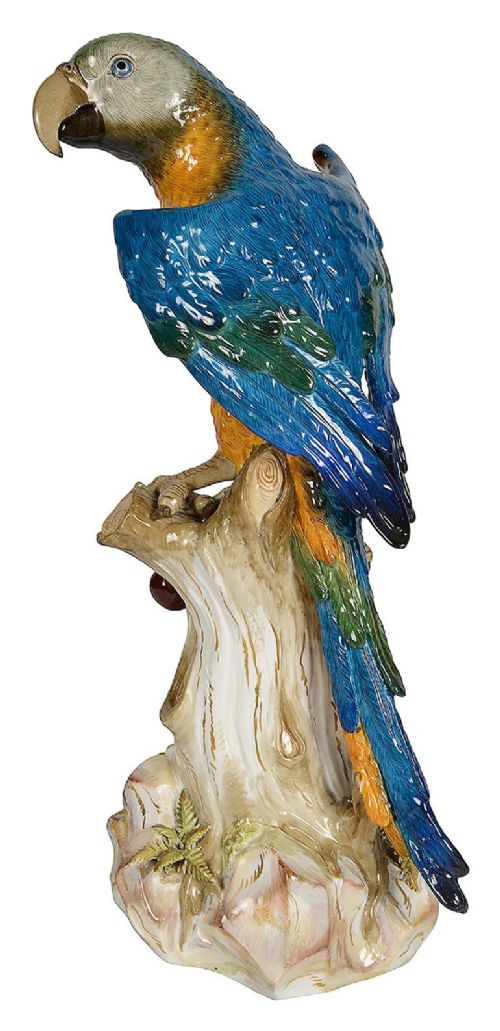

Painted Porcelain Statues
These painted porcelain statues span domestic figures, birds, and mythological subjects shaped across European and Asian workshops.
Painted Porcelain Statues
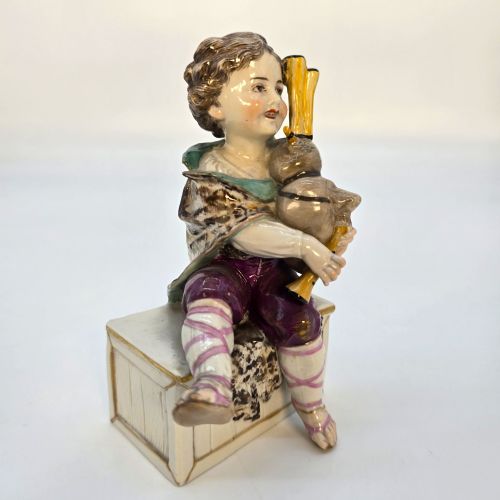
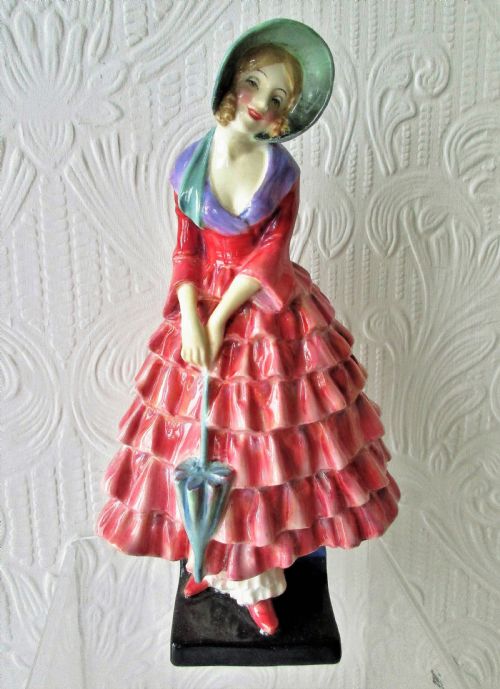
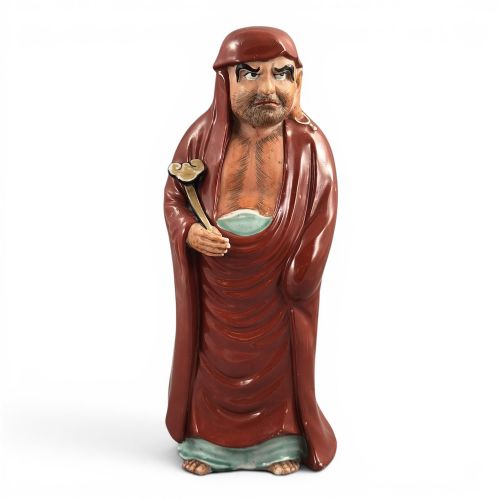
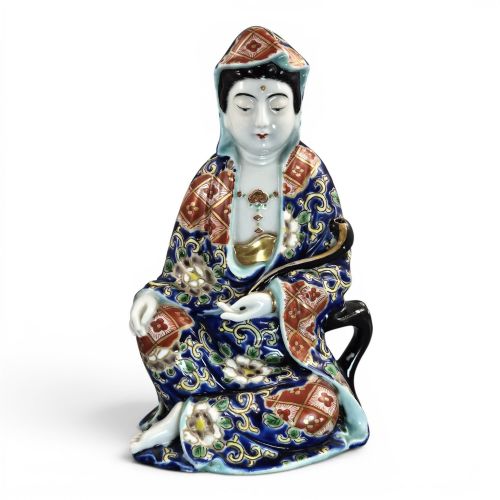
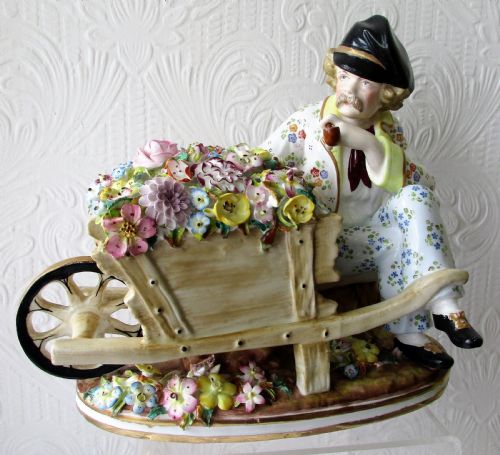
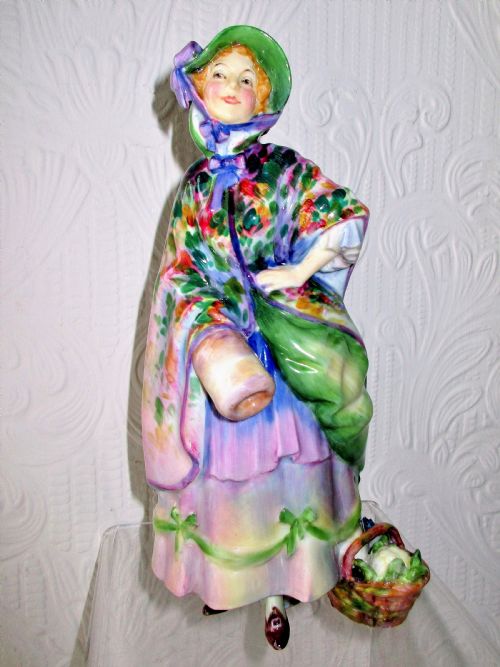
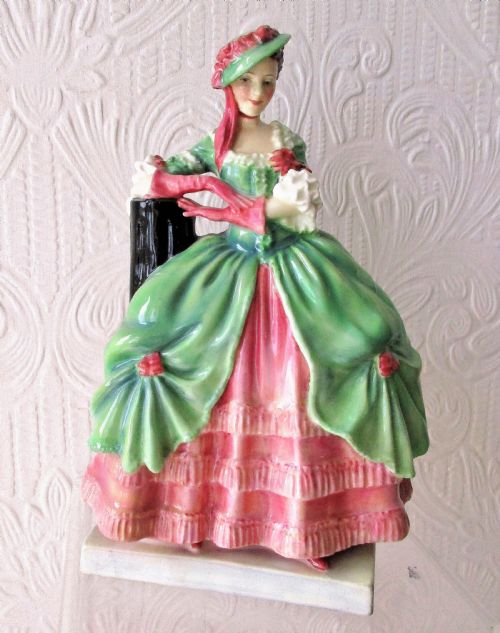
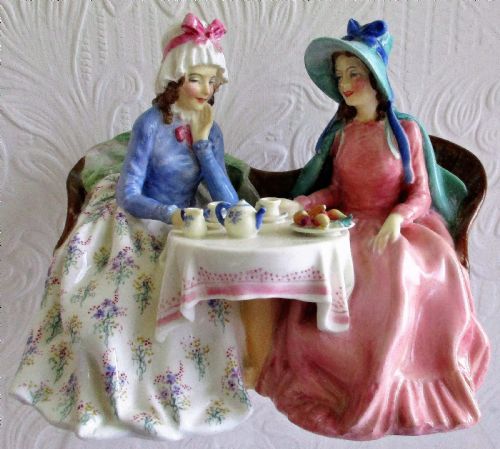
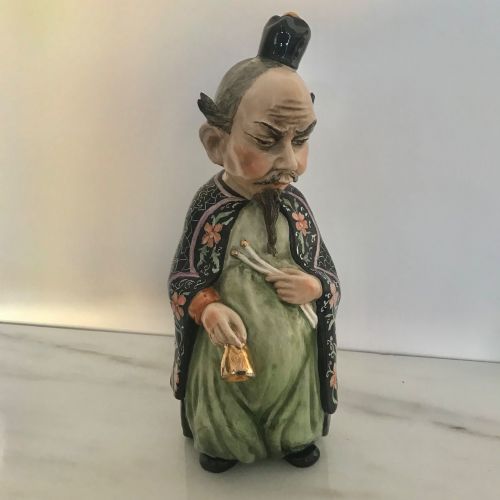
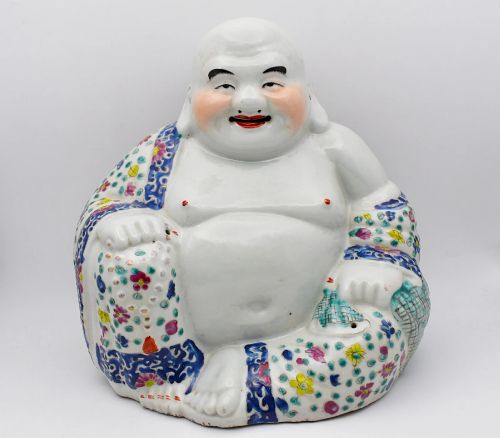
The objects take many shapes, from Meissen parrots and human figures to mythological subjects, pairs of harvesters, and detailed deities. Pieces span the Victorian period, Edwardian era, and earlier centuries, reflecting shifting tastes in domestic ornamentation.
Materials and Techniques
Makers utilised porcelain, bone china, and hard-paste porcelain as the primary base materials, shaping them into detailed figures and decorative groups. Surface decoration relies on hand enamel, glaze, and sancai glaze applied before or during firing.
Object forms include decorative figurines, sculptural groups, and detailed animal statues utilising enamel and gold leaf.
Assessing Quality
The quality of a piece rests on the precision of the modeling and the delicacy of the hand-painted enamel work. Superior examples display crisp facial expressions, subtle colour gradients, and clean application of gold leaf.
Condition and originality play significant parts, particularly where intricate elements such as lace or applied floral details are involved. The reputation of the manufacturing factory and the clarity of factory marks further distinguish finer works from standard production pieces.
Royal Doulton·Nymphenburg·Meissen·Volkstedt Rudolstadt Factory·Royal Worcester·Derby·Samson of Paris·C. G. Schierholz
The Painted Porcelain Statues Glossary
- Hard-paste porcelain
- A dense, durable ceramic material fired at high temperatures using kaolin and petuntse. It provides a robust body suitable for intricate sculptural figures.
- Biscuit porcelain
- Unglazed porcelain fired once to produce a matte, white surface resembling marble. It became popular for neoclassical figures and romantic groups.
- Gilt
- Application of gold or a gold-coloured substance to the surface of the porcelain. It highlights garments, bases, and decorative accents.
- Okimono
- A Japanese decorative figurine intended for display in an alcove or room. These pieces often depict deities, historical figures, or traditional subjects in porcelain or ceramic.
Painted Porcelain Statues: Frequently Asked Questions
How do I care for painted porcelain statues?
Dust the figures gently using a soft, dry brush to prevent accumulation in crevices and painted details. Avoid harsh chemical cleaners or submersion in water, especially on pieces with exposed enamel or gold leaf.
Keep the statues away from direct sunlight and areas subject to sudden temperature shifts to protect the ceramic body and glaze. Proper placement on stable surfaces safeguards delicate projections from accidental knocks.
Where were these porcelain figures made?
The pieces originate from major European porcelain centres such as Germany, France, and England, alongside historic kilns in Japan and China. Each region developed distinct styles, modeling techniques, and glaze formulas over centuries.
European factories like Meissen and various Parisian workshops focused on Rococo Revival forms and romantic subjects. Asian works, including Kutani and Chinese ceramic pieces, often represented traditional deities and cultural figures.
How can I tell the age of a figure?
Dating relies on examining factory marks, the type of porcelain body, and the style of the hand-painted decoration. Reference books and factory records help match specific stamps and model numbers to operational periods.
Stylistic cues such as Victorian costume details or Meissen period forms offer further chronological context. Comparing the wear on the base and the composition of the glaze assists in confirming the era of production.
What subjects do these statues commonly depict?
Common subjects include human figures ranging from pastoral shepherds and romantic couples to literary characters and historical personalities. Animals, birds, and mythological deities also appear frequently across different periods.
Many figures served purely decorative purposes in domestic interiors, reflecting contemporary artistic trends. Others drew on traditional folklore and religious iconography, particularly within Asian ceramic traditions.