


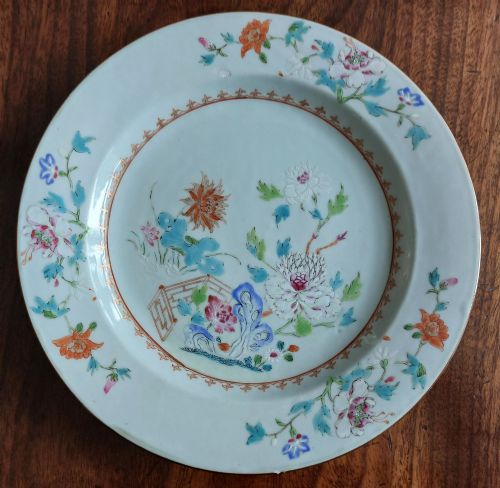

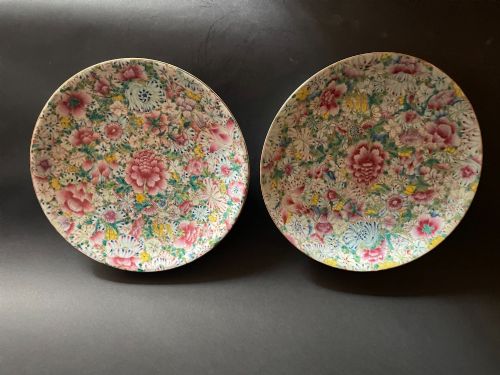
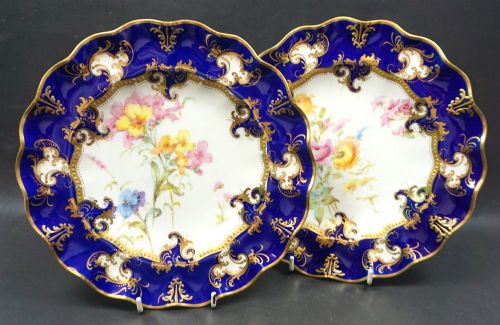

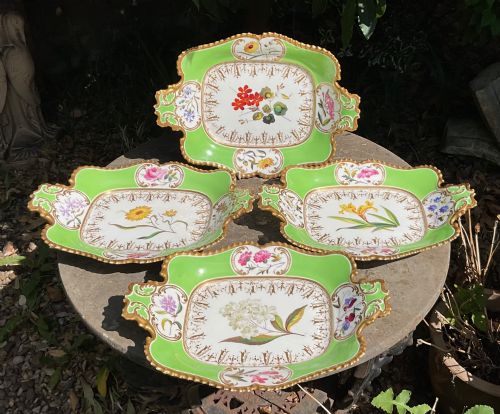
Painted Porcelain Floral Dish
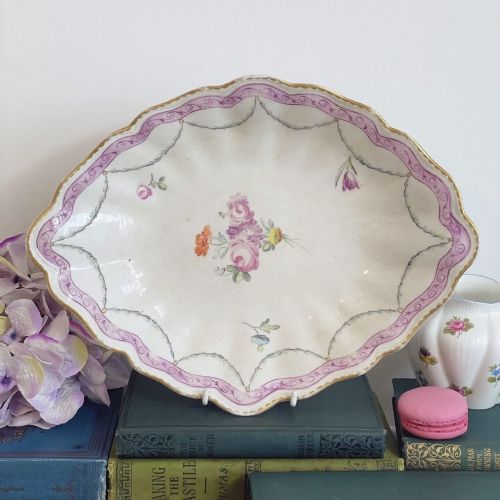
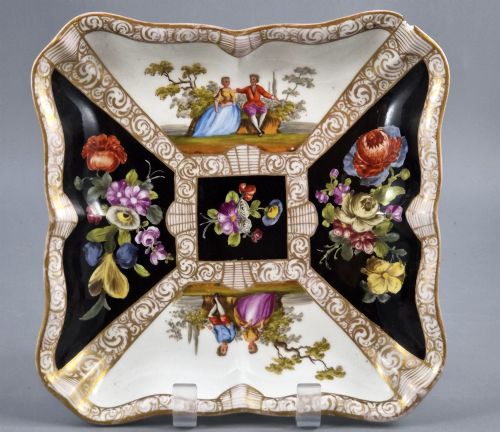
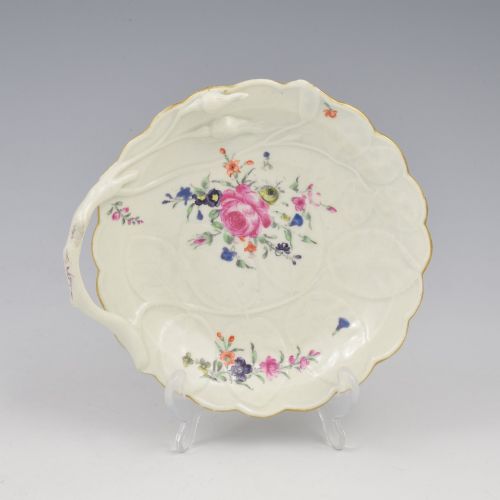
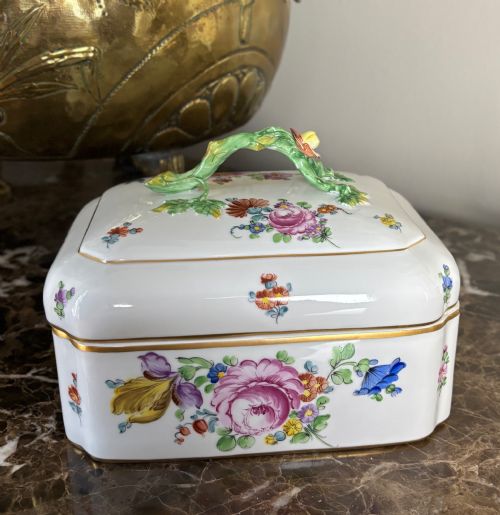
A painted porcelain floral dish brings botanical detail to the table, uniting ceramic form with delicate brushwork.
Painted Porcelain Floral Dish
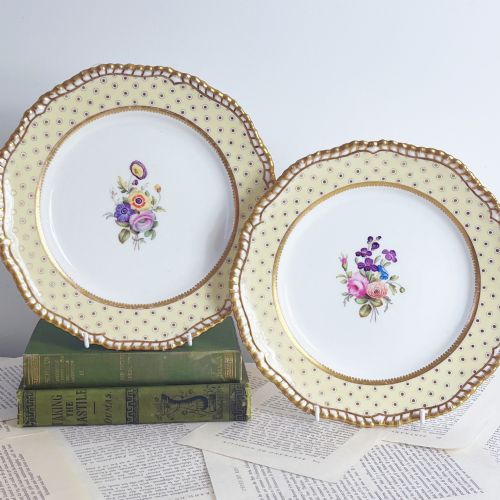
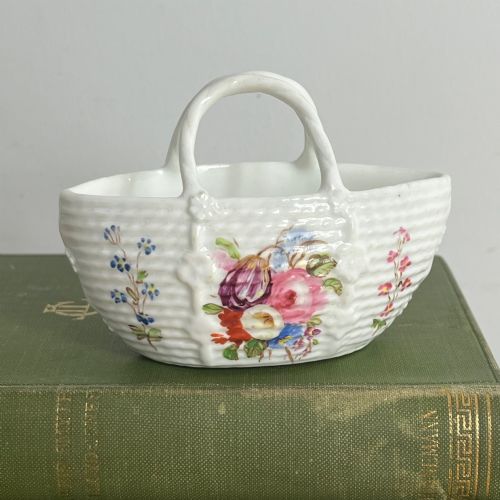
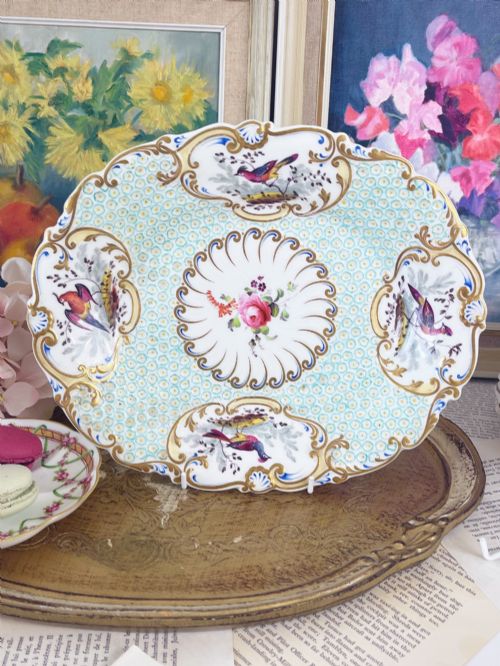
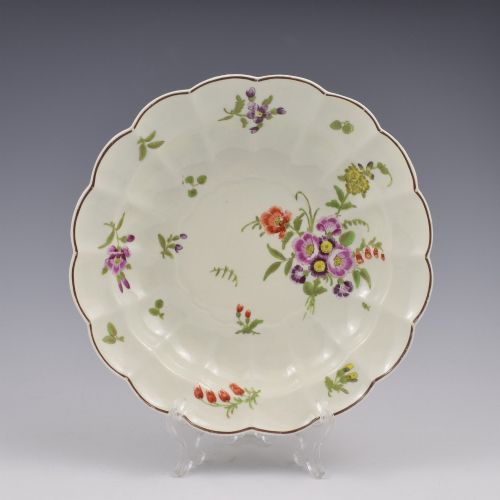
When searching for a painted porcelain floral dish, collectors encounter plates, bowls, and serving dishes spanning the eighteenth, nineteenth, and early twentieth centuries. These pieces encompass English factories like Worcester and Derby alongside continental European porcelain and Japanese Imari wares. Forms range from dessert plates and sweetmeat dishes to large chargers and oval serving platters.
The selection on this page demonstrates how domestic and decorative porcelain evolved across the Georgian, Regency, and Victorian eras. Pieces include handpainted botanical studies, floral arrangements, and oriental patterns executed on ceramic bodies. Each item reflects the prevalent taste of its period, whether produced for everyday dining or formal display.
How they were made
Potters shaped porcelain, bone china, and ceramic bodies before applying detailed enamel painting by hand. Artisans utilised mineral pigments to render floral motifs, birds, and intricate scenes directly onto the fired surface.
Finishing touches frequently involved applied gold leaf and gilding around rims and edges. Protective glaze sealed the painted designs during a secondary kiln firing, securing the colours.
Some nineteenth-century decorators painted intricate botanical studies so precisely that individual flower species remain identifiable today.
What varies in quality
The standard of a painted porcelain floral dish rests upon the precision of the handpainted botanical detail and the crispness of the porcelain moulding. Skilled painters achieved subtle tonal gradations in petals and leaves, whereas lesser pieces relied on hurried brushwork or stencilled outlines.
The application of gold leaf and the purity of the white ceramic body further separate fine cabinet pieces from utilitarian wares. Early factory marks and attributed decorator signatures also distinguish exceptional examples from standard production items.
Spode Felspar·Flight Barr And Barr·H And R Daniel·Dr Wall Worcester·Derby Porcelain·Meissen Porcelain·Dresden·Royal Crown Derby·Chamberlains Worcester·Limoges·French Sevres·Royal Doulton·John Davenport·Coalport·Samson Paris·New Hall Porcelain·Doe And Rogers·Royal Worcester·Doulton Burslem
The Painted Porcelain Floral Dish Glossary
- Porcelain
- A fine, hard ceramic material fired at high temperatures, known for its white body and translucent quality. It forms the base for most painted floral dishes.
- Enamel
- Opaque vitreous material fused to the ceramic surface during firing to create permanent coloured decoration. Artisans painted botanical scenes using finely ground mineral enamels.
- Gilding
- The application of gold leaf or gold paint to ceramic edges, handles, and borders. This decorative technique highlights the moulded contours of plates and bowls.
- Glaze
- A glassy coating fused to the porcelain body to seal the porous ceramic and provide a smooth, waterproof finish. It protects the underlying painted floral motifs.
- Sweetmeat dish
- A small, specialised dish intended for serving small confections, nuts, or sweetmeats at the end of a meal. These pieces often feature lobed or scalloped edges.
Painted Porcelain Floral Dish: Frequently Asked Questions
How do I identify eighteenth century porcelain?
Eighteenth century porcelain frequently displays underglaze blue markings, distinct paste variations, and handpainted polychrome enamel palettes characteristic of early factories like Worcester and Derby. These pieces often exhibit lighter ceramic bodies and characteristic potting flaws from early kiln methods.
Examination of the foot rim and glaze pooling helps determine the manufacturing period and origin. Subtle differences in weight and translucency also guide the collector.
How should I care for antique porcelain dishes?
Antique porcelain dishes require gentle hand washing in lukewarm water with mild soap to preserve delicate overglaze enamel painting and gold leaf. Dishwashers and harsh abrasive cleaners cause irreversible damage to fragile ceramic bodies and painted surfaces.
Storage should involve padded dividers between stacked plates to prevent rim chipping and surface scratching. Display cabinets protect pieces from dust and accidental impacts.
What distinguishes cabinet plates from dinner service plates?
Cabinet plates were designed primarily for display in vitrines or on walls rather than active dining use. They frequently showcase more elaborate handpainted botanical studies, extensive gilding, and specialist artist signatures.
Dinner service plates were built for functional dining, featuring robust porcelain bodies capable of withstanding regular handling and service.